

微信扫一扫,移动浏览光盘
简介
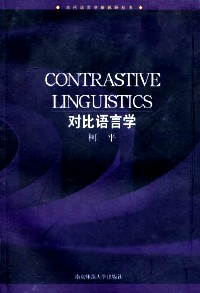
《对比语言学》内容简介:This work is designed as a textbook for graduate students of English who take the course of Contrastive Linguistics. It may also be used as an introductory reader of contrastive linguistics for students who have little knowledge of linguistics but are interested in the disciplines of contrastive linguistics or appliedlinguistics, in translation studies, foreign or second language teaching, Chinese as a foreign language, or other subjects of study which involve the use of a second language.
目录
PREFACE
CHAPTER 1 INTRODUCTION
1.1 What is Contrastive Linguistics?
1.1.1 Name and Nature
1.1.2 Classification
1.2 Why Contrastive Linguistics?
1.3 History and Development Study Questions
CHAPTER 2 PRINCIPLES AND PROCEDURES
2.1 Basic Assumptions & Hypotheses
2.1.1 Transfer: the Psychological Basis of Contrastive Analysis
2.1.2 The Strong and Weak Versions of CA Hypothesis
2.1.3 The Predictive Power of Contrastive Analysis
2.2 Criteria for Comparison
2.2.1 The Surface Structure (SS)
2.2.2 The Deep Structure (DS)
2.2.3 Translation Equivalence
2.3 Procedures Study Questions
CHAPTER 3 PHONETIC & PHONOLOGICAL CONTRASTIVE ANALYSES
3.1 Phonetics and Phonology
3.2 Contrastive Phonetics
3.3 Contrastive Phonology
3.3.1 Phonological Contrastive Analysis
3.3.2 Two Phonological Models
3.4 Suprasegmental Contrastive Analysis
Study Questions
CHAPTER 4 LEXlCAL CONTRASTIVE ANALYSIS
4.1 Contrastive Lexical Morphology
4.2 Contrastive Lexical Semantics
4.2.1 Motivation of Words
4.2.2 Sense Relationships
4.2.3 Semantic Features
4.3 Three Active Areas
Study Questions
CHAPTER 5 GRAMMATICAL CONTRASTIVE ANALYSIS
5.1 Contrastive Analysis of Inflectional Morphology
5.1.1 Aspect
5.1.2 Case
5.1.3 Gender
5.1.4 Mood
5.1.5 Number
5.1.6 Person
5.1.7 Tense
5.1.8 Voice
5.2 Syntactic Contrastive Analysis
5.2.1 Structuralist Approach (Surface-structure Contrasts)
5.2.2 Generative Approach Study Questions
CHAPTER 6 TEXTUAL CONTRASTIVE ANALYSIS
6.1 Text and Discourse
6.2 Defining Characteristics of the Text
6.3 Contrastive Analysis of Textual Cohesion
6.3.1 Semantic Cohesion
6.3.2 Structural Cohesion
6.3.3 Different Languages Preferring Different Cohesive Devices
6.4 Contrastive Analysis of Textual Coherence Study Questions
CHAPTER 7 PRAGMATIC CONTRASTIVE ANALYSIS
7.1 Speech Act Theory (Unilateral Communication)
7.1.1 Speech Acts
7.1.2 Felicity Conditions
7.2 Conversational Interaction (Bilateral Communication)
7.2.1 Structural Components of Conversation
7.2.2 Principles of Conversational Organization
Study Questions
REFERENCES
INDEX
CHAPTER 1 INTRODUCTION
1.1 What is Contrastive Linguistics?
1.1.1 Name and Nature
1.1.2 Classification
1.2 Why Contrastive Linguistics?
1.3 History and Development Study Questions
CHAPTER 2 PRINCIPLES AND PROCEDURES
2.1 Basic Assumptions & Hypotheses
2.1.1 Transfer: the Psychological Basis of Contrastive Analysis
2.1.2 The Strong and Weak Versions of CA Hypothesis
2.1.3 The Predictive Power of Contrastive Analysis
2.2 Criteria for Comparison
2.2.1 The Surface Structure (SS)
2.2.2 The Deep Structure (DS)
2.2.3 Translation Equivalence
2.3 Procedures Study Questions
CHAPTER 3 PHONETIC & PHONOLOGICAL CONTRASTIVE ANALYSES
3.1 Phonetics and Phonology
3.2 Contrastive Phonetics
3.3 Contrastive Phonology
3.3.1 Phonological Contrastive Analysis
3.3.2 Two Phonological Models
3.4 Suprasegmental Contrastive Analysis
Study Questions
CHAPTER 4 LEXlCAL CONTRASTIVE ANALYSIS
4.1 Contrastive Lexical Morphology
4.2 Contrastive Lexical Semantics
4.2.1 Motivation of Words
4.2.2 Sense Relationships
4.2.3 Semantic Features
4.3 Three Active Areas
Study Questions
CHAPTER 5 GRAMMATICAL CONTRASTIVE ANALYSIS
5.1 Contrastive Analysis of Inflectional Morphology
5.1.1 Aspect
5.1.2 Case
5.1.3 Gender
5.1.4 Mood
5.1.5 Number
5.1.6 Person
5.1.7 Tense
5.1.8 Voice
5.2 Syntactic Contrastive Analysis
5.2.1 Structuralist Approach (Surface-structure Contrasts)
5.2.2 Generative Approach Study Questions
CHAPTER 6 TEXTUAL CONTRASTIVE ANALYSIS
6.1 Text and Discourse
6.2 Defining Characteristics of the Text
6.3 Contrastive Analysis of Textual Cohesion
6.3.1 Semantic Cohesion
6.3.2 Structural Cohesion
6.3.3 Different Languages Preferring Different Cohesive Devices
6.4 Contrastive Analysis of Textual Coherence Study Questions
CHAPTER 7 PRAGMATIC CONTRASTIVE ANALYSIS
7.1 Speech Act Theory (Unilateral Communication)
7.1.1 Speech Acts
7.1.2 Felicity Conditions
7.2 Conversational Interaction (Bilateral Communication)
7.2.1 Structural Components of Conversation
7.2.2 Principles of Conversational Organization
Study Questions
REFERENCES
INDEX
Contrastive linguistics
- 名称
- 类型
- 大小
光盘服务联系方式: 020-38250260 客服QQ:4006604884
云图客服:
用户发送的提问,这种方式就需要有位在线客服来回答用户的问题,这种 就属于对话式的,问题是这种提问是否需要用户登录才能提问
Video Player
×
Audio Player
×
pdf Player
×
