

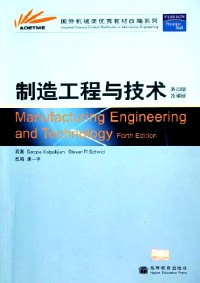
简介
《制造工程与技术( 第4版改编版)》是在Serope Kalpakiian等主编的Manufacturing Engineering and Technology(Fnrth Edition)教材的基础上改编而成的,改编后的教材既保留了国外原版教材的风格,又适合国内教学的需要,是优秀的“双语”教学教材。
《制造工程与技术( 第4版改编版)》除绪论外共三篇20章,第一篇为工程材料基础,主要介绍的金属材料、非金属材料、复合材料的特性、选用方法及在工程扣的实际应用,并对纳米材料及高分子材料做了介绍。第二篇为材料成形技术,本篇不仅介绍了传统的铸锻工艺、精密锻造以及粉末冶金、塑料和复合材料的成形技术,还介绍了快速原型和快速模具技术;第三篇为机械加工技术,除了对传统的各种机加工工艺进行了介绍外,还介绍了高速切消加工、现代加工中心、先进刀具和磨削材料、非传统加工技术(化学、电火花、超声、等离子、激光加工等)以及正在逐渐成为现代制造领域的一个重要发展方向的纳米制造和微细加工等先进制造技术。
为了便于读者阅读,本教材在每一章后面都附有中文注释和主要的专业术语,而且在书末还附有按字母顺序排列的中英文对照词汇表。
《制造工程与技术( 第4版改编版)》可作为机械设计制造及其自动化专业以及机电类其他相关专业的本科生或研究生的英文教材,也可供相关的工程技术人员参考。
目录
general introduction………………………………………………
………………………………………1
1.whatis manufacturing?………………………………………
…………………………………………1
2.the design process and concurrent engineering……
…………………………………6
3.selecting materials……………………………………………
………-………………………………………11
4.selecting manufacturing processes………………………
……………………………13
5.computer-integrated manufacturing………………………
………………………………·18
6.global competitiveness and manufacturing costs …
………………………………………2l
7.lean production and agile manufacturing………………
………………………………22
8.environmentally conscious design and manufacturing
…………………………………23
part i fundamentals of materials:their behavior
and manufacturing properties
.1 the structure of metals………………………………………
……………………………29
1.1 introduction…………………………………………………
…………………………29
1.2 the crystal structure of metals……………··……
…………………………………30
1.3 cold一.warm一.and hot-working………………………
………………………31
1.4 work hardening(strain hardening)……………………
……………………………32
1.5 plastic deformation of polycrystalline metals…
………………………………………32
2 mechanical behavior.testing.and manufacturing
properties of materials……………37
2.1 introduction………………………………………-.……
…………………………37
2.2 tension ………………………………………………………
………………………38
2.3 compression……………………………………………………
…………··………42
2.4"rorsion ………………………………………………………
……………………43
2.5 bending(flexure)……………………………………………
………………………44
2.6 hardness………………………………………………………
………………………45
3 physical properties of materials…………………………
…………………………………51
3.1 introduction…………………………………………………
…………………………5l
3.2 density…………………………………………………………
……………………51
3.3 melting point…………………………………………………
………………………55
3.4 specific heat…………………………………………………
…………………………55
3.5 thermal conductivity………………………………………
…………………………55
3.6 therinal expansion…………………………………………
…………………………56
3.7 electrical,magnetic,and optical properties……
…………………………………57
3.8 corrosion resistance………………………………………
…………………………58
4 metal alloys structure and cast irons··…………·
·…………………………………63
4.1 introduction…………………………………………………
…………………………63
4.2 structure of alloys………………………………………
……………………………64
4.3 the iron-carbon system……………………………………
…………………………67
4.4 cast irons……………………………………………………
………………………69
5 ferrous metals and alloys……………………………………
………………………….75
5.1 introduction……………………………………………
………………………………75
5.2 production of iron and steel……………………………
…………………………….76
5.3 carbon and alloy steels…………………………………
……………………………79
5.4 tool and die steels ……………………………………
……………………………82
6 nonferrous metals and alloys ……………………………
……………………………85 6.1 introduction…………
…………………………………………………………………85
6.2 aluminum and altlminum alloys…………………………
…………………………87
6.3 magnesium and magnesium alloys………………………
……………………………88
6.4 copper and copper alloys…………………………………
……………………………90
6.5 superalloys……………………………………………………
………………………91
6.6 titanium and titanium alloys ………………………
………………………………92
6.7 low-melting alloys…………………………………………
…………………………93
6.8 precious metals…………………………………………….
………………………..96
6.9 shape-memory alloys………………………………………
………………………96
6.10 amorphous alloys(metallic glasses)…………………
……………………………97
6.11 nanomaterials………………………………………………
………………………97
7 polymers:structure.general properties.and
applications……………………………101
7.1 introduction·………………………………………………
………………………..101
7.2 the structure of polymers ……………………………
……………………………103
7.3 thermoplastics………………………………………………
………………………108
7.4 thermosetting plastics……………………………………
…………………………109
7.5 additives in plastics………………………·…………
……………………………..110
7.6 general properties and applications of
thermoplastics……………………….111
7.7 general properties and applications of
thermosetting plastics……………………1 14
7.8 biodegradable plastics……………………………………
…………………………115
7.9 elastomers rrubbers)………………………………………
………………………117
8 composite materials:structure,general properties
,and applications ……………1 2 1
8.1 introduction…………………………………………………
……………………121
8.2 the structure of reinforced plastics ………·…
…………………………………122
8.3 properties of reinforced plastics……………………
………………………………126
8.4 applications of reinforced plastics…………………
………………………………127
8.5 metal-matrix composites(mmc)……………………………
………………………130
8.6 ceramic-matrix composites(cmc)………………………
…………………………131
8.7 other composites……………………………………………
………………………131
part ii forming and shaping processes and
equipment
fundamentals of metal-casting·············
···················…········
·······················135
9.1 introduction…………………………………………………
………………………135
9.2 solidification of metals…………………………………
……………………………137
9.3 metal-casting processes…………·……………………
…………………………140
open-die forging of metals……………………………………
………………………………157
10.1 introduction…………………………………·…………
…………………………··157
10.2 open·die forging…………………………………………
………………………159
10.3 impression-die and closen-die forging……………
………………………………161
10.4 extrusion and drawing………·…………………………
…-……………………·164
11 processing of powder metallurgy…………………………
……………………………169
11.1introduction………………………………………………
…………………………………169
11.2 production of metal powders……………………………
…………………………171
11.3 compaction of metal powders……………………………
…………………………176
11.4 sintering……………………………………………………
………………………177
11.5 process capabilities …………………………………
……………………………180
11.6 economics of powder metallurgy………………………
…………………………181
12 forming and shaping plastics and composite
materials ……………………………183
12.1 introduction………………………………………………
…………………………183
12.2 injection molding…………………………………………
………………………184
12.3 blow molding…………………………………………………
……………………187
3 rapid-prototyping operations………………………………
…………………………191
13.1 introduction………………………………………………
…………………………19l
13.2 additive processes………………………………………
…………………………192
13.3 applications of rapid-prototyping technology…
…………………………………200
partⅲ material-removal processes and machines
4 fundamentals of cutting………………………………………
………………………………211
14.1 introduction…………………………………………………
………………………211
14.2 the mechanics of chip formation……………………
……………………………214
14.3 rrhe types of chips produced in metal-cutting…
…………………………………216
14.4 cutting forces and power………………………………
…………………………218
14.5 t00l life:wear and failure…………………………
……………………………222
14.6 surface finish and surface inte……………………
…………………………225
14.7 machinability………………………………………………
………………………227
15cutting:tool materials and cutting fiuids……………
…………………………………235
15.1 introduction………………………………………………
…………………………23515.2 carbon and medium.alloy
steels………………………………………………···239
15.3 high-speed steels…………………………………………
………………………239
15.4 cast.cobalt alloys…………·………·……·……
…·……·……·……·………·…·240
15.5 carbides……………………………………………………
………………………240
15.6 coated tools…………………………………………………
……………………245
15.7 alumina-based ceramics ………………………………
…………………………246
15.8 cubic boron nitride …………………………………
……………………………247
15.9 silicon.nitride based ceramics……………………
………………………………248
15.10 diamond ……………………………………………………
……………………248
15.11 whisker-reinforced and nanocrystalline tool
materials…………………………………………………249
16 machining processes used to produce round shapes…
………………………………………………………………………253
16.1 introduction…………………………………………………
………………………253
16.2ihrning parameters…………………………………………
………………………256
16.3 lathes and lathe operations…………………………
……………………………259
16.4 high-speed machining,uhraprecision machining,
and hard turning …………267
16.5 bofng and borng machines………………………………
………………………270
16.6 drilling and drills………………………………………
…………………………272
17 machining processes used to produce various shapes
……………………………279
17.1 introduction………………………………………………
…………………………279
17.2 milling operations……………………………··……
……………………………·280
17.3 milling machines ………………………………………
…………………………289
17.4 planing and shaping………………………………………
………………………292
18 machining and turning centers …………………………
………………………………………………………………295
18.1 introduction…………………………………………………
………………………295
18.2 machining and turning centers………………………
……………………………295
18.3 machining economics……………………………………
…………………………303
19 abrasive machining and finishing operations………
…………………………………………………………………………
………………………………309
19.1 introduction………………………………………………
………·…………………309
19.2 abrasives……………………………………………………
………………………311
19.3 bonded abrasives r grinding wheels)………………
……………………………313
19.4 honing ………………………………………………………
……………………317
19.5 lapping…………·…………………………………………
……………….…….318
19.6 polishing……………………………………………………
………………………318
19.7 electropolishing……………………………………………
………………………319
19.8 polishing processes using magnetic fields ……
…………………………………………………………………………
……319
19.9 buffing ·-…………………………………………………
……………………320
20 advanced machining processes and nanofabrication…
…………………………………………………………………………
…….323
20.1 introduction………………………………………………
………………………….323
20.2 chemical machining………………………………………
………………………325
20.3 electrical-discharge machining………………………
…………………………327
20.4 wire edm………………………………………………………
…………………330
20.5 laser-beam machining……………………………………
………………………………331
20.6 electron-beam machining and plasma-arc cutting
·…………………………………334
20.7 nanofabrieation……………………………………………
………………………335
20.8 micromachining………………………………………………
…………………337
20.9 economics of advanced machining processes ……
……………………………………338
中英文对照词汇表…………………………………………343
………………………………………1
1.whatis manufacturing?………………………………………
…………………………………………1
2.the design process and concurrent engineering……
…………………………………6
3.selecting materials……………………………………………
………-………………………………………11
4.selecting manufacturing processes………………………
……………………………13
5.computer-integrated manufacturing………………………
………………………………·18
6.global competitiveness and manufacturing costs …
………………………………………2l
7.lean production and agile manufacturing………………
………………………………22
8.environmentally conscious design and manufacturing
…………………………………23
part i fundamentals of materials:their behavior
and manufacturing properties
.1 the structure of metals………………………………………
……………………………29
1.1 introduction…………………………………………………
…………………………29
1.2 the crystal structure of metals……………··……
…………………………………30
1.3 cold一.warm一.and hot-working………………………
………………………31
1.4 work hardening(strain hardening)……………………
……………………………32
1.5 plastic deformation of polycrystalline metals…
………………………………………32
2 mechanical behavior.testing.and manufacturing
properties of materials……………37
2.1 introduction………………………………………-.……
…………………………37
2.2 tension ………………………………………………………
………………………38
2.3 compression……………………………………………………
…………··………42
2.4"rorsion ………………………………………………………
……………………43
2.5 bending(flexure)……………………………………………
………………………44
2.6 hardness………………………………………………………
………………………45
3 physical properties of materials…………………………
…………………………………51
3.1 introduction…………………………………………………
…………………………5l
3.2 density…………………………………………………………
……………………51
3.3 melting point…………………………………………………
………………………55
3.4 specific heat…………………………………………………
…………………………55
3.5 thermal conductivity………………………………………
…………………………55
3.6 therinal expansion…………………………………………
…………………………56
3.7 electrical,magnetic,and optical properties……
…………………………………57
3.8 corrosion resistance………………………………………
…………………………58
4 metal alloys structure and cast irons··…………·
·…………………………………63
4.1 introduction…………………………………………………
…………………………63
4.2 structure of alloys………………………………………
……………………………64
4.3 the iron-carbon system……………………………………
…………………………67
4.4 cast irons……………………………………………………
………………………69
5 ferrous metals and alloys……………………………………
………………………….75
5.1 introduction……………………………………………
………………………………75
5.2 production of iron and steel……………………………
…………………………….76
5.3 carbon and alloy steels…………………………………
……………………………79
5.4 tool and die steels ……………………………………
……………………………82
6 nonferrous metals and alloys ……………………………
……………………………85 6.1 introduction…………
…………………………………………………………………85
6.2 aluminum and altlminum alloys…………………………
…………………………87
6.3 magnesium and magnesium alloys………………………
……………………………88
6.4 copper and copper alloys…………………………………
……………………………90
6.5 superalloys……………………………………………………
………………………91
6.6 titanium and titanium alloys ………………………
………………………………92
6.7 low-melting alloys…………………………………………
…………………………93
6.8 precious metals…………………………………………….
………………………..96
6.9 shape-memory alloys………………………………………
………………………96
6.10 amorphous alloys(metallic glasses)…………………
……………………………97
6.11 nanomaterials………………………………………………
………………………97
7 polymers:structure.general properties.and
applications……………………………101
7.1 introduction·………………………………………………
………………………..101
7.2 the structure of polymers ……………………………
……………………………103
7.3 thermoplastics………………………………………………
………………………108
7.4 thermosetting plastics……………………………………
…………………………109
7.5 additives in plastics………………………·…………
……………………………..110
7.6 general properties and applications of
thermoplastics……………………….111
7.7 general properties and applications of
thermosetting plastics……………………1 14
7.8 biodegradable plastics……………………………………
…………………………115
7.9 elastomers rrubbers)………………………………………
………………………117
8 composite materials:structure,general properties
,and applications ……………1 2 1
8.1 introduction…………………………………………………
……………………121
8.2 the structure of reinforced plastics ………·…
…………………………………122
8.3 properties of reinforced plastics……………………
………………………………126
8.4 applications of reinforced plastics…………………
………………………………127
8.5 metal-matrix composites(mmc)……………………………
………………………130
8.6 ceramic-matrix composites(cmc)………………………
…………………………131
8.7 other composites……………………………………………
………………………131
part ii forming and shaping processes and
equipment
fundamentals of metal-casting·············
···················…········
·······················135
9.1 introduction…………………………………………………
………………………135
9.2 solidification of metals…………………………………
……………………………137
9.3 metal-casting processes…………·……………………
…………………………140
open-die forging of metals……………………………………
………………………………157
10.1 introduction…………………………………·…………
…………………………··157
10.2 open·die forging…………………………………………
………………………159
10.3 impression-die and closen-die forging……………
………………………………161
10.4 extrusion and drawing………·…………………………
…-……………………·164
11 processing of powder metallurgy…………………………
……………………………169
11.1introduction………………………………………………
…………………………………169
11.2 production of metal powders……………………………
…………………………171
11.3 compaction of metal powders……………………………
…………………………176
11.4 sintering……………………………………………………
………………………177
11.5 process capabilities …………………………………
……………………………180
11.6 economics of powder metallurgy………………………
…………………………181
12 forming and shaping plastics and composite
materials ……………………………183
12.1 introduction………………………………………………
…………………………183
12.2 injection molding…………………………………………
………………………184
12.3 blow molding…………………………………………………
……………………187
3 rapid-prototyping operations………………………………
…………………………191
13.1 introduction………………………………………………
…………………………19l
13.2 additive processes………………………………………
…………………………192
13.3 applications of rapid-prototyping technology…
…………………………………200
partⅲ material-removal processes and machines
4 fundamentals of cutting………………………………………
………………………………211
14.1 introduction…………………………………………………
………………………211
14.2 the mechanics of chip formation……………………
……………………………214
14.3 rrhe types of chips produced in metal-cutting…
…………………………………216
14.4 cutting forces and power………………………………
…………………………218
14.5 t00l life:wear and failure…………………………
……………………………222
14.6 surface finish and surface inte……………………
…………………………225
14.7 machinability………………………………………………
………………………227
15cutting:tool materials and cutting fiuids……………
…………………………………235
15.1 introduction………………………………………………
…………………………23515.2 carbon and medium.alloy
steels………………………………………………···239
15.3 high-speed steels…………………………………………
………………………239
15.4 cast.cobalt alloys…………·………·……·……
…·……·……·……·………·…·240
15.5 carbides……………………………………………………
………………………240
15.6 coated tools…………………………………………………
……………………245
15.7 alumina-based ceramics ………………………………
…………………………246
15.8 cubic boron nitride …………………………………
……………………………247
15.9 silicon.nitride based ceramics……………………
………………………………248
15.10 diamond ……………………………………………………
……………………248
15.11 whisker-reinforced and nanocrystalline tool
materials…………………………………………………249
16 machining processes used to produce round shapes…
………………………………………………………………………253
16.1 introduction…………………………………………………
………………………253
16.2ihrning parameters…………………………………………
………………………256
16.3 lathes and lathe operations…………………………
……………………………259
16.4 high-speed machining,uhraprecision machining,
and hard turning …………267
16.5 bofng and borng machines………………………………
………………………270
16.6 drilling and drills………………………………………
…………………………272
17 machining processes used to produce various shapes
……………………………279
17.1 introduction………………………………………………
…………………………279
17.2 milling operations……………………………··……
……………………………·280
17.3 milling machines ………………………………………
…………………………289
17.4 planing and shaping………………………………………
………………………292
18 machining and turning centers …………………………
………………………………………………………………295
18.1 introduction…………………………………………………
………………………295
18.2 machining and turning centers………………………
……………………………295
18.3 machining economics……………………………………
…………………………303
19 abrasive machining and finishing operations………
…………………………………………………………………………
………………………………309
19.1 introduction………………………………………………
………·…………………309
19.2 abrasives……………………………………………………
………………………311
19.3 bonded abrasives r grinding wheels)………………
……………………………313
19.4 honing ………………………………………………………
……………………317
19.5 lapping…………·…………………………………………
……………….…….318
19.6 polishing……………………………………………………
………………………318
19.7 electropolishing……………………………………………
………………………319
19.8 polishing processes using magnetic fields ……
…………………………………………………………………………
……319
19.9 buffing ·-…………………………………………………
……………………320
20 advanced machining processes and nanofabrication…
…………………………………………………………………………
…….323
20.1 introduction………………………………………………
………………………….323
20.2 chemical machining………………………………………
………………………325
20.3 electrical-discharge machining………………………
…………………………327
20.4 wire edm………………………………………………………
…………………330
20.5 laser-beam machining……………………………………
………………………………331
20.6 electron-beam machining and plasma-arc cutting
·…………………………………334
20.7 nanofabrieation……………………………………………
………………………335
20.8 micromachining………………………………………………
…………………337
20.9 economics of advanced machining processes ……
……………………………………338
中英文对照词汇表…………………………………………343
制造工程与技术.第4版
- 名称
- 类型
- 大小
光盘服务联系方式: 020-38250260 客服QQ:4006604884
云图客服:
用户发送的提问,这种方式就需要有位在线客服来回答用户的问题,这种 就属于对话式的,问题是这种提问是否需要用户登录才能提问
Video Player
×
Audio Player
×
pdf Player
×
