

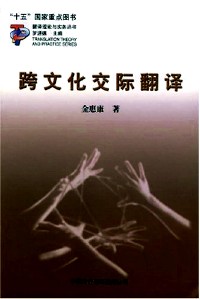
简介
本书力求以实例描写为主,配以适量的理论指导与分析,以 求触类旁通。以实事求是的态度,全力搜集整理近二十年来大 陆、港、台、澳及海外华人的精彩汉英翻译例证,抛砖引玉,以 形成一个比较统一、比较规范、能为各方认同,并能够在一定时 期里相对稳定下来的汉英对译系统,更好地为当代中国的对外开 放和繁荣发展服务。
随着现代传播学、美学、描述性语言学、社会语言学、应用语言学、文本语言学、人类学、文化学、语用学等新学科的发展,特别是跨文化交际学的兴起,翻译理论研究出现了从微观语言结构的对比研究到宏观语言文化背景的探索,从单一方向,单一学科向多层次、多角度和跨学科方向演进。译家不仅仅局限于研究两种语言的音韵组合、字、词、句的种种不同,也开始注意到两种语言的文化内涵、篇章结构、语篇情景、话语(思维)习惯、隐语结构、语体规范、交际对象、传播方式、文化制约、社会习俗、宗教影响、社会价值取向和思维方式等超语言困素的异同,以及这些因素对两种以上语言互译的影响。更多>>
目录
前 言
第一章 汉字英词
(chinese characters and english words)
1.1 汉英概论
(a general survey between chinese and english)
1.2 英汉两种语言的本质特征差异
(different natures of chinese and english)
1.3 汉字英词——相同,类似,相异?
(characters and words——the same,similar
or different?)
第二章 汉英表达的不同
(different ways of expressing ideas)
2.1 汉英不同的说法
(different ways of saying things)
2.2 中英文短语表达的不同特色
(different characteristics of chinese and
english expressions)
2.3 不同的暗喻与联想
(discrepant metaphors and associations)
第三章 汉文明礼貌语言
. (chinese language of respect and humanity)
3.1 礼貌语言
(courtesy language)
3.2 汉英礼貌用语的差异
(difference between courtesy chinese and
english equivalents)
3.3 跨文化交际——英汉称呼异同
(intercultural communication——various forms of
addressing in both languages)
3.4 中国人的字、号的英译及其他
(chinese names in english and more)
3.5 禁忌与委婉语
(taboos and euphemisms)
第四章 中国文化
(chinese culture)
4.1 英语中的汉语借词类型
(various categories of chinese loans in english)
4.2 中国独特的事物
(unique chinese items)
4.3 中国独特的概念词
(unique chinese abstract ideas)
4.4 中国现代品牌翻译
(english versions for chinese modern brands)
第五章 有中国特色的社会架构及文化
(chinese social system with chinese
cultural characteristics)
5.1 中国的行政职务
(chinese titles for government officials)
5.2 中国专业技术职称
(chinese professional titles)
5.3 汉语中“等级”、“荣誉称号”的英译
[english ways of translating chinese“dengji”
(classes,ranks)and“honorable titles”]
5.4 道路名称英译
(roads in english)
第六章 现代社会有现代的说法
(modern sayings reflect modern life)
6.1 汉英语言中的新事物、新发明和新发现
(new things,new inventions and new discoveries
in both languages)
6.2 中国市场经济的新词语
(new sayings in chinese market economy)
6.3 中国文化新潮
(chinese cultural fashion)
第七章 语言、文化与社会
(language,culture and society)
7.1 语言与社会价值观
(language and social value system)
7.2 语言与文化
(language and culture)
7.3 语言与思维
(language and thinking)
第八章 跨文化交际
(cross-cultural communication)
8.1 跨文化比较
(comparison between cultures)
8.2 跨文化表达
(cross-cultural expression)
8.3 跨文化交际中的误解
(misunderstanding in cross-cultural
communication)
8.4 汉语与英语的相互影响
(interaction between chinese and english)
8.5 汉英跨文化交际翻译中的中国英语
(china english in c-e translation
in intercultural communication)
第九章 语言与翻译
(language and translation)
9.1 翻译与比较
(translation and comparison)
9.2 跨文化的词汇翻译
(cross-cultural translation of characters
and words)
9.3 跨文化的借用
(intercultural borrowing)
9.4 可译与不可译
(translatable or non-translatable)
第十章 翻译技巧杂谈(一)
[on skills of translation(i)]
10.1 变通与补偿
(liberal translation and compensation)
10.2 视点转换
(shift of perspective)
10.3 加注
(annotation)
10.4 释义
(paraphrase)
第十一章 翻译技巧杂谈(二)
[on skills of translation(ii)]
11.1 异化和归化
(foreignizing,alienation and domesticating,
adaptation)
11.2 回译
(back translation)
11.3 其他技巧
(other skills)
11.4 误译
(misunderstanding and wrongly translating)
11.5 对一些现行翻译观点的思辨
(a debate on some current viewpoints on
translation)
后记
参考文献
第一章 汉字英词
(chinese characters and english words)
1.1 汉英概论
(a general survey between chinese and english)
1.2 英汉两种语言的本质特征差异
(different natures of chinese and english)
1.3 汉字英词——相同,类似,相异?
(characters and words——the same,similar
or different?)
第二章 汉英表达的不同
(different ways of expressing ideas)
2.1 汉英不同的说法
(different ways of saying things)
2.2 中英文短语表达的不同特色
(different characteristics of chinese and
english expressions)
2.3 不同的暗喻与联想
(discrepant metaphors and associations)
第三章 汉文明礼貌语言
. (chinese language of respect and humanity)
3.1 礼貌语言
(courtesy language)
3.2 汉英礼貌用语的差异
(difference between courtesy chinese and
english equivalents)
3.3 跨文化交际——英汉称呼异同
(intercultural communication——various forms of
addressing in both languages)
3.4 中国人的字、号的英译及其他
(chinese names in english and more)
3.5 禁忌与委婉语
(taboos and euphemisms)
第四章 中国文化
(chinese culture)
4.1 英语中的汉语借词类型
(various categories of chinese loans in english)
4.2 中国独特的事物
(unique chinese items)
4.3 中国独特的概念词
(unique chinese abstract ideas)
4.4 中国现代品牌翻译
(english versions for chinese modern brands)
第五章 有中国特色的社会架构及文化
(chinese social system with chinese
cultural characteristics)
5.1 中国的行政职务
(chinese titles for government officials)
5.2 中国专业技术职称
(chinese professional titles)
5.3 汉语中“等级”、“荣誉称号”的英译
[english ways of translating chinese“dengji”
(classes,ranks)and“honorable titles”]
5.4 道路名称英译
(roads in english)
第六章 现代社会有现代的说法
(modern sayings reflect modern life)
6.1 汉英语言中的新事物、新发明和新发现
(new things,new inventions and new discoveries
in both languages)
6.2 中国市场经济的新词语
(new sayings in chinese market economy)
6.3 中国文化新潮
(chinese cultural fashion)
第七章 语言、文化与社会
(language,culture and society)
7.1 语言与社会价值观
(language and social value system)
7.2 语言与文化
(language and culture)
7.3 语言与思维
(language and thinking)
第八章 跨文化交际
(cross-cultural communication)
8.1 跨文化比较
(comparison between cultures)
8.2 跨文化表达
(cross-cultural expression)
8.3 跨文化交际中的误解
(misunderstanding in cross-cultural
communication)
8.4 汉语与英语的相互影响
(interaction between chinese and english)
8.5 汉英跨文化交际翻译中的中国英语
(china english in c-e translation
in intercultural communication)
第九章 语言与翻译
(language and translation)
9.1 翻译与比较
(translation and comparison)
9.2 跨文化的词汇翻译
(cross-cultural translation of characters
and words)
9.3 跨文化的借用
(intercultural borrowing)
9.4 可译与不可译
(translatable or non-translatable)
第十章 翻译技巧杂谈(一)
[on skills of translation(i)]
10.1 变通与补偿
(liberal translation and compensation)
10.2 视点转换
(shift of perspective)
10.3 加注
(annotation)
10.4 释义
(paraphrase)
第十一章 翻译技巧杂谈(二)
[on skills of translation(ii)]
11.1 异化和归化
(foreignizing,alienation and domesticating,
adaptation)
11.2 回译
(back translation)
11.3 其他技巧
(other skills)
11.4 误译
(misunderstanding and wrongly translating)
11.5 对一些现行翻译观点的思辨
(a debate on some current viewpoints on
translation)
后记
参考文献
跨文化交际翻译
- 名称
- 类型
- 大小
光盘服务联系方式: 020-38250260 客服QQ:4006604884
云图客服:
用户发送的提问,这种方式就需要有位在线客服来回答用户的问题,这种 就属于对话式的,问题是这种提问是否需要用户登录才能提问
Video Player
×
Audio Player
×
pdf Player
×
