

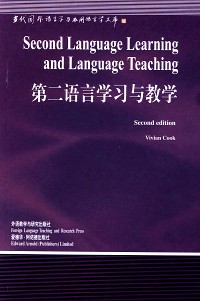
Second Language Learning and Language Teaching
副标题:无
分类号:
ISBN:9787560019741
微信扫一扫,移动浏览光盘
简介
Of the first edition: '...marvellous...covers the major developments in language teaching theory since the 1950s with wit, authority and a breathtaking breadth of perspective; it is readable, concise and instructive...recommend it to your students.'Ann Ryan, BAAL Newsletter “This much-needed book will be an excellent text for courses in Language Acquisition within second language teacher education programs. There is a wealth of new knowledge, new vocabulary, and new perspectives which not only contribute to specialized aspects of teacher training but will enrich students' general education as well.' Patsy Lightbown, Professor of applied Linguistics, concordia University.
How do people learn languages? Vivian Cook's highly successful second Language Learning and Language Teaching has proved immensely valuable to teachers as an introduction to aspects of second language acquisition research where it relates to practical language teaching and the classroom.
This new. enlarged edition has been thoroughly updated in the lightof recent developments in the field and the author has laid greater emphasis on theimplications of SlA studies for the classroom. There are exercises and expanded sections at the end of chapters offering practical help and tips for teachers approaching second language acquisition for the first time.
目录
preface by halliday
王宗炎序
导读
acknowledgements
1. second language learning and language teaching
1 the scope of this book
2 what a teacher can expect from l2 learning research
3 the independence of l2 learning research
2. learning different types of grammar
1 what is grammar?
2 grammatical morphemes
3 the multidimensional model
4 language universals; relative clauses
5 principles and parameters grammar
6 l2 learning of grammar and l2 teaching
3. learning the components of language
1 acquisition of pronunciation
2 acquisition of vocabulary
3 acquisition of conversational discourse
4. processes in using second languages
.1 short-term memory processes
2 reading and longer-term memory processes
3 processes in listening
4 codeswitching by second language users
5 communication strategies
5. learners as individuals
1 motivation: what sort of motivation is good for l2 learning?
2 aptitude: are some people better at learning a second
language than others?
3 learning strategies: how do learners vary in their
approaches to l2 learning?
4 age: are young l2 learners better than old learners?
5 are other personality traits important to l2 learning?
6. language and input in the l2 classroom
1 l2 learning inside the classroom
2 language in the communicative classroom
3 language input and language training
7. multilingual societies and the goals of languageteaching
1 the different roles of second languages in societies
2 the goals of language teaching
8. general models of l2 learning
1 models of knowledge: universal grammar
2 processing models: the competition model and theinformation processing model
3 muiticomponent models: the competence/control modeland the input hypothesis
4 social models: the socio-educational model and theacculturation model
9. second language learning and language teaching styles
1 the academic style
2 the audiolingual style
3 the social communicative style
4 the information communicative style
5 the mainstream efl style
6 other styles
afterword: the proper uses of second language acquisition research in language teaching
efl course books mentioned in text
references
index
文库索引
王宗炎序
导读
acknowledgements
1. second language learning and language teaching
1 the scope of this book
2 what a teacher can expect from l2 learning research
3 the independence of l2 learning research
2. learning different types of grammar
1 what is grammar?
2 grammatical morphemes
3 the multidimensional model
4 language universals; relative clauses
5 principles and parameters grammar
6 l2 learning of grammar and l2 teaching
3. learning the components of language
1 acquisition of pronunciation
2 acquisition of vocabulary
3 acquisition of conversational discourse
4. processes in using second languages
.1 short-term memory processes
2 reading and longer-term memory processes
3 processes in listening
4 codeswitching by second language users
5 communication strategies
5. learners as individuals
1 motivation: what sort of motivation is good for l2 learning?
2 aptitude: are some people better at learning a second
language than others?
3 learning strategies: how do learners vary in their
approaches to l2 learning?
4 age: are young l2 learners better than old learners?
5 are other personality traits important to l2 learning?
6. language and input in the l2 classroom
1 l2 learning inside the classroom
2 language in the communicative classroom
3 language input and language training
7. multilingual societies and the goals of languageteaching
1 the different roles of second languages in societies
2 the goals of language teaching
8. general models of l2 learning
1 models of knowledge: universal grammar
2 processing models: the competition model and theinformation processing model
3 muiticomponent models: the competence/control modeland the input hypothesis
4 social models: the socio-educational model and theacculturation model
9. second language learning and language teaching styles
1 the academic style
2 the audiolingual style
3 the social communicative style
4 the information communicative style
5 the mainstream efl style
6 other styles
afterword: the proper uses of second language acquisition research in language teaching
efl course books mentioned in text
references
index
文库索引
Second Language Learning and Language Teaching
- 名称
- 类型
- 大小
光盘服务联系方式: 020-38250260 客服QQ:4006604884
云图客服:
用户发送的提问,这种方式就需要有位在线客服来回答用户的问题,这种 就属于对话式的,问题是这种提问是否需要用户登录才能提问
Video Player
×
Audio Player
×
pdf Player
×
