

简介
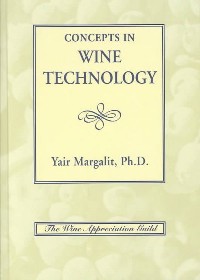
This is the companion book to the author's best selling Concepts In Wine Chemistry. It is a successor to his original Winery Technology & Operations. Since the author published his first book in 1990, he has shifted much of his time from research and teaching to operating his own small winery and consulting world-wide with other winemakers. Thus, this new text has a very practical and applied science character. In addition there have been significant discoveries and technological advances in winemaking since the original text. The enlarged sections on fermentation, skin contact, acid balance, the use of oak, phenolics and quality control reflect and expand upon the original text. This is a "how-to" book, organized in the sequence of the processes a winemaker faces when confronted with the rapid challenge of converting fresh grapes into good wine. As the author points out, the grapes will make wine by themselves due to natural biological and chemical processes. However, to make good wine or even great wine, nature must be guided by the skilled and artful hand of the winemaker. The author's many years of experience in producing many different wines helps the reader focus on the right processes at the right time to achieve winemaking success.
目录
Pr H arvest .................................. ..... .............................. 1
A. Grape Ripening ........... ...... ..... .......... ......
1 Sug ar _ _ .... .......... .. ............. ... ... ... . 4
2 . A c i s ..... .............. ....................... ........... ............................. 7
3 . M a tu rity .......................................................................... 1 1
4 . S am p ling ....................................... .. .......... ............ 14
5. Composition and Yield................................................... 14
B. Pre-Harvest Operations ......... .................... ...... 15
I. Vineyard M anagement ....... .... ......................... 16
2. Preparing the WVinery or Harvest............. 18
S H arvest..... .. ........................ ....... .................................... .... 21
A. Destemming & Crushing .................. ... ................ 23
f W hite G rap es ................. ......... ........ ......................... 23
2. Red Grapes ..... .. ...... . ................ 24
B Skin Contact ...... ... ......... ... .... .. ... ....... 25
1. White Grapes ..... ......................... .... 26
2. R ed G rap es . ... ............................................................. 28
C. Free Run & Press Run ............... ............................... ........... 32
I. General View ....... ..................... ......... 32
2. P resses .... .. ...... .. . .. . .3... . ... . .. . 33
3 . L e es . .. .. .... .......... ....... ... . . ..... .. . ... .. .. . . ......... . 3
D M ust Corrections ........ ..... .................. ............ 38
I. A cid itv ................... .... . ............. ... ........ ........... ............ 3 8
2 Sugar . ........... .... ... .......... 45
E. Cooling and Temperature Control ...................... ........ 47
I. Fermentation Temperature........ 47
2. Temperature Control ........................ .. .............. 47
II Ferm entation .................. ....... ...................................... . 51
A . G en eral .......................... ............. ..................................... 5 3
B . W ine Y east............. .. ... .. ......... .. .. ...... 54
C Ferm entation ...................... ........ . 57
. Yeast Ferm entation ..... . ....... ............ ... ........ .. 57
2. Stuck Fennr entation ..6..1.......... .. ....... 6I
3. Fernmentation B -Product ............ . . ........... 65
4. Residual Sugar ........ ..... ....... ... ..... 73
D . M alo-Lactic Ferm entation ................................................... 80
1. G ene -ral Aspects ........ ........ ........ ............ 81
2. Factors Affecting Malo-Lactic Fermentation ........ 83
3. Inoculation Af Malo-Lactic Fermentation o ...... 84
. Cellar O perati s.................................... ........... ...... 87
A. Racking .... 89
B . Stabilization ......... ., .... ...... ..... . ...... ...... . .. ....... 92
1. Tartaric Acid Dissociation ........ 92
2. Potasium -B itar ltarate ... ................................. ................. 93
3. Cold Stabilization ....... ........... ............... 95
4. a/lcium Tartar ate....... . .... .... ... .... .. . . 98
5. Inhibitin & Pomoting Tartarate Cystalliation ......... 99
C . F in in g ................................................................................. 10 1
. Protein Stabilization ........ ............ . .., 101
2. Tannin Reduction ........... . .... ..... ...... .... 105
3. Non-Specific Fi ing ............ .......... ............10
D . Filtration .... ............ .. .... . . ............. .. 113
1. P ad fi lters ....................... ........ .......... ............... ........ 1 /3
2. M em brane F ilters ..................................................... . 116
3. M echanical Separators . ... ... ........ ..... .. 11 7
E . B len d in g ............................................................................ 1 18
F. M aintenance ..... ...... . . ................................. .. 121
. Sa n ita tio n ................. .......... . ......... ...... .................. 12 1
2 Storage ... ... .... ... .. .... .. .. .. .. . .. ... . . .... 124
B arrel ............................................. ................. ....... 125
A . C ooperage ................................................. 127
. B arrel M aki g ............................................ ............. 12 7
2. Barrel Evaporation .... 134
3. Barrel M aintenance .................. ......... ........... .... 136
B . B arrel A ging ........ ...... ........................ ...... 140
1. Oak Components and Extraction................................ 140
2. French vs. American Oak ................................... ... 145
3. Oak Alternatives ........................................ 149
R eferences .. ..... .. .... .. ..... ..... ............. 150
VI. Bottling ............................... ............................................... 153
A . W ine C ontainer ...... .................................. . .............. ....... .. 155
. B ottles ...... ....... ... .. ......... ...... .. ... .......... . 155
2. C ork ....................... ........ 15 7
3. Capsule ............ ..... ... ........... 169
4. L abel ... . ............. . .... .... . ......... .... ....... . ....... . 170
B . Bottling Line ...................... . .............. ... .... .......... 172
VII. General Aspects ....... ...... ............. ........................................ 77
A . Sulfur-D ioxide ................ ..... ............. ........ ... ................... .. 179
1. Sulfur-Dioxide as a Food Product Preservative.......... 179
2. Sulfur-Dioxide Uses in Wine ...... ................. 184
B. Wine Spoilage............................... 191
I. Chem ical Faults ...... ..... .... .... ... . ... ....... ............. ... 191
2. M icrobial Faults ....... ..... ...................... .. ............ . 201
C. Legal Regulations ...... ......... ..... .. .......... ........ . 207
1. D efi nitions........................................ ......... .............. 208
2. General Regulations ................................ ....... ... 210
3. W ine C ontent . .. ............ ........................... ........ .............. 211
4. Wine Treatment Additives........... ......... .............. 213
D. Phenolic Compounds ............................................ ... 215
1. W ine P henolics ..... ...... . ... ................ ...... .......... ...... 215
2. Tann ins .. ............................................ . ...................... 22 3
3. R ed W ine Color..................................... ............. ...... 226
Concepts in wine technology /
- 名称
- 类型
- 大小
光盘服务联系方式: 020-38250260 客服QQ:4006604884
云图客服:
用户发送的提问,这种方式就需要有位在线客服来回答用户的问题,这种 就属于对话式的,问题是这种提问是否需要用户登录才能提问
Video Player
×
Audio Player
×
pdf Player
×
