

微信扫一扫,移动浏览光盘
简介
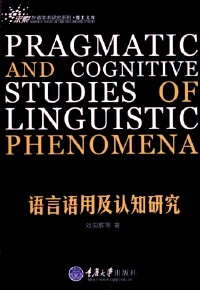
《语言语用及认知研究》内容简介为:正如维特根斯坦所言,语言是一种“游戏”,但这种“游戏”背后是有隐含规则或规律的,这就需要去认真探讨和研究。《语言语用及认知研究》从语用、认知视角对一些语言现象,如英汉请求回应、英汉中动结构、英汉名词性领属结构、“Ulysses”象似性和英汉时间隐喻进行了多角度考察。该研究对语言研究者或爱好者有较高的学术参考价值与实用价值。
目录
Chapter One A Contrastive Study of Responses to Requests in English and Chinese
1.1 Introduction
1.2 Subjects
1.3 The Questionnaire
1.4 Instrument——The Discourse Completion Test
1.5 Quantitative Findings Concerning Request Responses among Americans and the Chinese People
1.6 Contextual Variables in the Responses to Requests
1.7 Tentative Analysis of the Common Features of Request Responses
1.8 Limitations and Further Research
1.9 Conclusions
Chapter Two Middle Construction in English and Chinese:A Cognitive Semantic Study
2.1 Introduction
2.1.1 Orientation and Motivation of the Study
2.1.2 The Concept of Middle Construction
2.1.3 Aims and Hypotheses of the Study
2.1.4 Layout and Scope of the Study
2.2 Literature Review
2.2.1 Middle Construction
2.2.2 Construction Grammar
2.3 Middle Construction in English
2.3.1 Classification of Middle Construction in English
2.3.2 Characteristics of Middle Construction in English
2.4 Middle Construction in Chinese
2.4.1 Middle Construction in Chinese
2.4.2 The Classification of Chinese Middle Construction
2.4.3 The Characteristics of Chinese Middle Construction
2.4.4 The Selectional Restriction of Middle Verbs in Chinese
2.4.5 Particularity of Chinese Middle Construction
2.5 Conclusions
2.5.1 Findings of the Study
2.5.2 Limitations of the Study
2.5.3 Suggestions for Further Research
Chapter Three A Comparison of Nominal Possessives in English and Chinese from a Cognitive Perspective
3.1 Introduction
3.1.1 Orientation of the Title
3.1.2 The Significancc of the Present Study
3.1.3 Methods
3.1.4 The Aims of the Present Study
3.1.5 Layout and Scope of the Study
3.2 Literature Review
3.2.1 Traditional Grammar
3.2.2 Transformational and Generative Grammar
3.2.3 Cognitive Linguistics
3.3 Concepts of Possession
3.3.1 Definition of Possession
3.3.2 Classification of Possession
3.3.3 Possessive Morphemes
3.4 A Cognitive Approach
3.4.1 Possessor as Reference Point
3.4.2 Possessor Specification and Possessee Specification
3.4.3 Possessive Prototypes
3.4.4 From Iconicity to Possessive Constructions
3.5 Conclusions
Chapter Four Ieonieity in Ulysses
4.1 Introduction
4.1.1 Motivation of the Present Study
4.1.2 The Concept and Criteria of Iconicity
4.1.3 The Nature of the Study and Iconicity
4.1.4 Methods
4.1.5 The Aims and Hypotheses of the Present Study
4.1.6 Layout and Scope of the Study
4.2 Literature Review
4.2.1 Introduction
4.2.2 Iconicity Studies in Language
4.2.3 Literature Review of the Stream of Consciousness Novel Studies
4.2.4 Summary
4.3 The Application of Iconicity in Ulysses
4.3.1 Introduction
4.3.2 From the Phonological View
4.3.3 From the Morphological View
4.3.4 From the Syntactic View
4.3.5 From the Textual View
4.4 Contrastive Analysis
4.4.1 The Differences and Similarities of Iconicity between Ulysses and Other Streams of Consciousness Novels in Western Culture
4.4.2 The Differences and Similarities of Iconicity Studies in the Stream of Consciousness Novels between Western and Eastern Culture
4.5 Conclusions
4.5.1 Findings
4.5.2 Limitations of the Study
4.5.3 Suggestions for Further Studies in This Field
Chapter Five A Cognitive Approach to Temporal Metaphors in English and Chinese
5.1 Introduction
5.1.1 The Basic Concepts
5.1.2 Orientation of the Title
5.1.3 Motivations of the Study
5.1.4 The Aims and Hypotheses of the Present Study
5.1.5 Basic Approaches to the Present Study
5.1.6 Layout and Scope of the Study
5.1.7 Summary
5.2 Literature Review
5.2.1 Literature Review of Metaphor Studies in the West and China
5.2.2 Theoretical Background of Temporal Metaphor
5.2.3 Literature Review of Temporal Metaphor Studies in English and Chinese
5.2.4 Summary
5.3 A Contrastive Study of Temporal Metaphors in English and Chinese
5.3.1 Classification of Temporal Metaphors
5.3.2 Similarities between Temporal Metaphors in English and Chinese
5.3.3 Motivations for the Similarities Between Temporal Metaphors in English and Chinese
5.3.4 Differences Between Temporal Metaphors in English and Chinese
5.3.5 Motivations for the Differences BetweenTemporal Metaphors in English and Chinese
5.3.6 Special Temporal Metaphors in Chinese
5.3.7 Summary
5.4 The Application of the Present Study to Foreign Language Teaching
5.4.1 Guides for Foreign Language Teaching
5.4.2 Contrastive Study for Foreign Language Teaching
5.5 Conclusions
5.5.1 Major Findings
5.5.2 Speculations about the Future Studies of Temporal Metaphors
References
1.1 Introduction
1.2 Subjects
1.3 The Questionnaire
1.4 Instrument——The Discourse Completion Test
1.5 Quantitative Findings Concerning Request Responses among Americans and the Chinese People
1.6 Contextual Variables in the Responses to Requests
1.7 Tentative Analysis of the Common Features of Request Responses
1.8 Limitations and Further Research
1.9 Conclusions
Chapter Two Middle Construction in English and Chinese:A Cognitive Semantic Study
2.1 Introduction
2.1.1 Orientation and Motivation of the Study
2.1.2 The Concept of Middle Construction
2.1.3 Aims and Hypotheses of the Study
2.1.4 Layout and Scope of the Study
2.2 Literature Review
2.2.1 Middle Construction
2.2.2 Construction Grammar
2.3 Middle Construction in English
2.3.1 Classification of Middle Construction in English
2.3.2 Characteristics of Middle Construction in English
2.4 Middle Construction in Chinese
2.4.1 Middle Construction in Chinese
2.4.2 The Classification of Chinese Middle Construction
2.4.3 The Characteristics of Chinese Middle Construction
2.4.4 The Selectional Restriction of Middle Verbs in Chinese
2.4.5 Particularity of Chinese Middle Construction
2.5 Conclusions
2.5.1 Findings of the Study
2.5.2 Limitations of the Study
2.5.3 Suggestions for Further Research
Chapter Three A Comparison of Nominal Possessives in English and Chinese from a Cognitive Perspective
3.1 Introduction
3.1.1 Orientation of the Title
3.1.2 The Significancc of the Present Study
3.1.3 Methods
3.1.4 The Aims of the Present Study
3.1.5 Layout and Scope of the Study
3.2 Literature Review
3.2.1 Traditional Grammar
3.2.2 Transformational and Generative Grammar
3.2.3 Cognitive Linguistics
3.3 Concepts of Possession
3.3.1 Definition of Possession
3.3.2 Classification of Possession
3.3.3 Possessive Morphemes
3.4 A Cognitive Approach
3.4.1 Possessor as Reference Point
3.4.2 Possessor Specification and Possessee Specification
3.4.3 Possessive Prototypes
3.4.4 From Iconicity to Possessive Constructions
3.5 Conclusions
Chapter Four Ieonieity in Ulysses
4.1 Introduction
4.1.1 Motivation of the Present Study
4.1.2 The Concept and Criteria of Iconicity
4.1.3 The Nature of the Study and Iconicity
4.1.4 Methods
4.1.5 The Aims and Hypotheses of the Present Study
4.1.6 Layout and Scope of the Study
4.2 Literature Review
4.2.1 Introduction
4.2.2 Iconicity Studies in Language
4.2.3 Literature Review of the Stream of Consciousness Novel Studies
4.2.4 Summary
4.3 The Application of Iconicity in Ulysses
4.3.1 Introduction
4.3.2 From the Phonological View
4.3.3 From the Morphological View
4.3.4 From the Syntactic View
4.3.5 From the Textual View
4.4 Contrastive Analysis
4.4.1 The Differences and Similarities of Iconicity between Ulysses and Other Streams of Consciousness Novels in Western Culture
4.4.2 The Differences and Similarities of Iconicity Studies in the Stream of Consciousness Novels between Western and Eastern Culture
4.5 Conclusions
4.5.1 Findings
4.5.2 Limitations of the Study
4.5.3 Suggestions for Further Studies in This Field
Chapter Five A Cognitive Approach to Temporal Metaphors in English and Chinese
5.1 Introduction
5.1.1 The Basic Concepts
5.1.2 Orientation of the Title
5.1.3 Motivations of the Study
5.1.4 The Aims and Hypotheses of the Present Study
5.1.5 Basic Approaches to the Present Study
5.1.6 Layout and Scope of the Study
5.1.7 Summary
5.2 Literature Review
5.2.1 Literature Review of Metaphor Studies in the West and China
5.2.2 Theoretical Background of Temporal Metaphor
5.2.3 Literature Review of Temporal Metaphor Studies in English and Chinese
5.2.4 Summary
5.3 A Contrastive Study of Temporal Metaphors in English and Chinese
5.3.1 Classification of Temporal Metaphors
5.3.2 Similarities between Temporal Metaphors in English and Chinese
5.3.3 Motivations for the Similarities Between Temporal Metaphors in English and Chinese
5.3.4 Differences Between Temporal Metaphors in English and Chinese
5.3.5 Motivations for the Differences BetweenTemporal Metaphors in English and Chinese
5.3.6 Special Temporal Metaphors in Chinese
5.3.7 Summary
5.4 The Application of the Present Study to Foreign Language Teaching
5.4.1 Guides for Foreign Language Teaching
5.4.2 Contrastive Study for Foreign Language Teaching
5.5 Conclusions
5.5.1 Major Findings
5.5.2 Speculations about the Future Studies of Temporal Metaphors
References
Pragmatic and cogni tive studies of linguistic phenomena
- 名称
- 类型
- 大小
光盘服务联系方式: 020-38250260 客服QQ:2410046007
云图客服:
用户发送的提问,这种方式就需要有位在线客服来回答用户的问题,这种 就属于对话式的,问题是这种提问是否需要用户登录才能提问
Video Player
×
Audio Player
×
pdf Player
×
