

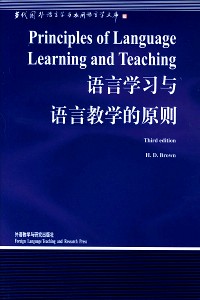
Principles of Language Learning and Teaching
副标题:无
分类号:
ISBN:9787560025391
微信扫一扫,移动浏览光盘
简介
《当代国外语言学与应用语言学文库》首批54种自2000年9月问世以来,取得很大成功,首印5000套供不应求,10月份开始重印6000套。能在短短的几个月内出版发行如此宏大规模的语言学著作,这在我国学述出版发行史上是不多见的。自出版以来,许多单位和个人争相订购,研究生和大学生把《文库》视为良师益友,教师无论老中青都把《文库》视为知识更新的源泉。实践证明,外研社推出的《文库》受到了国内语言学界和外语教学界的普遍好评,它将成为推动我国语言学教学与研究和外语教学与研究的一个宝库。
在成功出版《文库》首批54种的基础上,外研社现在又推出《文库》第二批58种。《文库》第二批具有五大特色:一、由58部英文原著组成,所覆盖的学科从首批的26个增加到现在的33个,新增学科包括语言学史、语言哲学、认知语言学、人类语言学、语言的起源、语法化学说等,能更广泛地满足读者的需求;二、收入了当代语言学大师索绪求、萨丕求、布龙菲求德、韩礼德、乔姆斯基、奥斯汀、格莱斯、利奇等名家的最有影响的作品,具有更高的权威性;三、增加了牛津大学出版社、哈佛大学出版社等世界知名出版社出版的语言学经典著作;四、依然配有专家导读,专家的队伍比首批更为强大;五、世界著名语言学家乔姆斯基教授和我国著名语言学家沈家煊教授作序。
本《文库》是一个大型的、开放性的系列丛书,它将对我国语言学教学与研究和外语教学与研究起到积极的推动作用。今后,外研社还将继续引进,争取把国外最新的、最具影响的语言学和应用语言学著作不断地奉献给广大读者。
目录
preface halliday f12
王宗炎序 f13
preface by chomsky f16
沈家煊序 f23
导读 f26
preface f38
acknowledgments f41
1 language, learning, and teaching
language, 4
learning and teaching, 7
trends in linguistics and psychology, 8
applied linguistics, 12
theories and methods, 14
in the classroom: the grammar translation method, 16
suggested readings, 17
topics and questions for study and discussion, 18
2 first language acquisition 20
theories of first language acquisition, 21
behavioristic approaches, 22
the nativist approach, 24
.functional approaches, 28
competence and performance, 31
comprehension and production, 33
nature or nurture?, 34
universals, 35
systematicity and variability, 36
language and thought, 37
imitation, 38
practice, 39
input, 40
discourse, 41
in the classroom: gouin and berlitz-
the first reformers, 42
suggested readings, 45
topics and questions for study and discussion, 45
3 comparing and contrasting first and
second language acquisition 48
types of comparison and contrast, 51
the critical period hypothesis, 52
neurological considerations, 53
psychomotor considerations, 56
cognitive considerations, 58
affective considerations, 61
linguistic considerations, 64
issues in first language acquisition revisited, 66
in the classroom: the audiolingual method, 70
suggested readings, 71
topics and questions for study and discussion, 72
4 human learning 74
of mice and men, 74
classical behaviorism, 76
skinner's operant conditioning, 77
ausubel's meaningful learning theory, 79
systematic forgetting, 82
rogers's humanistic psychology, 85
types of learning, 87
transfer, interference, and overgeneralization, 89
inductive and deductive reasoning, 92
intelligence and second language learning, 93
in the classroom: the "designer" methods of
the seventies, 95
suggested .readings, 100
topics and questions for study and discussion, 100
5 styles and strategies 103
process, style, and strategy, 103
learning styles, 104
field independence, 105
left-and right-brain functioning, 109
ambiguity tolerance, 111
reflectivity and impulsivity, 112
visual and auditory styles, 113
strategies, 114
learning strategies, 115
communication strategies, 118
learner strategy training, 124
in the classroom: styles and strategies in practice, 128
suggested readings, 132
topics and questions for study and discussion, 132
6 personality factors 134
the affective domain, 135
self-esteem, 136
inhibition, 138
risk-taking, 140
anxiety, 141
empathy, 143
extroversion, 145
myers-briggs character types, 147
measuring affective factors, 150
motivation, 152
instrumental, integrative, and
assimilative motivation, 153
intrinsic and extrinsic motivation, 155
in the classroom: putting methods
into perspective, 157
suggested readings, 160
topics and questions for study and discussion, 161
7 sociocultural factors 163
cultural stereotypes, 165
attitudes, 167
acculturation, 169
culture in the classroom, 173
social distance, 176
pidginization, 178
perceived and optimal social distance, 179
sociopolitical considerations, 181
language, thought, and culture, 183
in the classroom: toward a principled approach
'to language pedagogy. 187
intrinsically motivating techniques: a check list, 188
suggested readings, 189
topics and questions for study and discussion, 190
8 contrastive analysis, interlanguage, and
error analysis 192
the contrastive analysis hypothesis, 193
hierarchy of difficulty, 194
moderating the contrastive analysis hypothesis, 199
markedness and universal grammar, 202
interlanguage, 203
error analysis, 204
identifying and describing errors, 207
stages of interlanguage development, 211
sources of error, 213
fossilization, 217
in the classroom: error correction, 219
suggested readings, 222
topics and questions for study and discussion, 223
9 communicative competence 226
on defining communicative competence, 227
pragmatics, 230
language functions, 231
discourse analysis, 235
styles and registers, 238
language and gender, 240
nonverbal communication, 241
communicative language teaching, 244
in the classroom: notional-functional syllabuses, 246
suggested readings, 248
topics and questions for study and discussion, 249
10 language testing 251
what is a test?, 251
practicality, 253
reliability, 253
validity, 254
kinds of tests, 257
historical perspectives, 261
discrete point and integrative testing, 262
language proficiency: unitary or divisible?, 264
assessing communicative language ability, 265
oral proficiency testing, 267
in the classroom: steps to creating
intrinsically motivating tests, 270
suggested readings, 272
topics and questions for study and discussion, 273
11 theories of second language acquisition 275
taxonomies, hypotheses, and models, 276
krashen's input hypothesis, 279
mclaughlin's attention-processing model, 282
bialystok's analysis/automaticity model, 284
variability models, 287
the believing and doubting games, 288
from theory to'practice, 290
intuition: the search for relevance, 292
out on a limb: the ecology of language acquisition, 295
suggested readings, 297
topics and questions for study and discussion, 297
bibliography 300
index 335
文库索引 348
王宗炎序 f13
preface by chomsky f16
沈家煊序 f23
导读 f26
preface f38
acknowledgments f41
1 language, learning, and teaching
language, 4
learning and teaching, 7
trends in linguistics and psychology, 8
applied linguistics, 12
theories and methods, 14
in the classroom: the grammar translation method, 16
suggested readings, 17
topics and questions for study and discussion, 18
2 first language acquisition 20
theories of first language acquisition, 21
behavioristic approaches, 22
the nativist approach, 24
.functional approaches, 28
competence and performance, 31
comprehension and production, 33
nature or nurture?, 34
universals, 35
systematicity and variability, 36
language and thought, 37
imitation, 38
practice, 39
input, 40
discourse, 41
in the classroom: gouin and berlitz-
the first reformers, 42
suggested readings, 45
topics and questions for study and discussion, 45
3 comparing and contrasting first and
second language acquisition 48
types of comparison and contrast, 51
the critical period hypothesis, 52
neurological considerations, 53
psychomotor considerations, 56
cognitive considerations, 58
affective considerations, 61
linguistic considerations, 64
issues in first language acquisition revisited, 66
in the classroom: the audiolingual method, 70
suggested readings, 71
topics and questions for study and discussion, 72
4 human learning 74
of mice and men, 74
classical behaviorism, 76
skinner's operant conditioning, 77
ausubel's meaningful learning theory, 79
systematic forgetting, 82
rogers's humanistic psychology, 85
types of learning, 87
transfer, interference, and overgeneralization, 89
inductive and deductive reasoning, 92
intelligence and second language learning, 93
in the classroom: the "designer" methods of
the seventies, 95
suggested .readings, 100
topics and questions for study and discussion, 100
5 styles and strategies 103
process, style, and strategy, 103
learning styles, 104
field independence, 105
left-and right-brain functioning, 109
ambiguity tolerance, 111
reflectivity and impulsivity, 112
visual and auditory styles, 113
strategies, 114
learning strategies, 115
communication strategies, 118
learner strategy training, 124
in the classroom: styles and strategies in practice, 128
suggested readings, 132
topics and questions for study and discussion, 132
6 personality factors 134
the affective domain, 135
self-esteem, 136
inhibition, 138
risk-taking, 140
anxiety, 141
empathy, 143
extroversion, 145
myers-briggs character types, 147
measuring affective factors, 150
motivation, 152
instrumental, integrative, and
assimilative motivation, 153
intrinsic and extrinsic motivation, 155
in the classroom: putting methods
into perspective, 157
suggested readings, 160
topics and questions for study and discussion, 161
7 sociocultural factors 163
cultural stereotypes, 165
attitudes, 167
acculturation, 169
culture in the classroom, 173
social distance, 176
pidginization, 178
perceived and optimal social distance, 179
sociopolitical considerations, 181
language, thought, and culture, 183
in the classroom: toward a principled approach
'to language pedagogy. 187
intrinsically motivating techniques: a check list, 188
suggested readings, 189
topics and questions for study and discussion, 190
8 contrastive analysis, interlanguage, and
error analysis 192
the contrastive analysis hypothesis, 193
hierarchy of difficulty, 194
moderating the contrastive analysis hypothesis, 199
markedness and universal grammar, 202
interlanguage, 203
error analysis, 204
identifying and describing errors, 207
stages of interlanguage development, 211
sources of error, 213
fossilization, 217
in the classroom: error correction, 219
suggested readings, 222
topics and questions for study and discussion, 223
9 communicative competence 226
on defining communicative competence, 227
pragmatics, 230
language functions, 231
discourse analysis, 235
styles and registers, 238
language and gender, 240
nonverbal communication, 241
communicative language teaching, 244
in the classroom: notional-functional syllabuses, 246
suggested readings, 248
topics and questions for study and discussion, 249
10 language testing 251
what is a test?, 251
practicality, 253
reliability, 253
validity, 254
kinds of tests, 257
historical perspectives, 261
discrete point and integrative testing, 262
language proficiency: unitary or divisible?, 264
assessing communicative language ability, 265
oral proficiency testing, 267
in the classroom: steps to creating
intrinsically motivating tests, 270
suggested readings, 272
topics and questions for study and discussion, 273
11 theories of second language acquisition 275
taxonomies, hypotheses, and models, 276
krashen's input hypothesis, 279
mclaughlin's attention-processing model, 282
bialystok's analysis/automaticity model, 284
variability models, 287
the believing and doubting games, 288
from theory to'practice, 290
intuition: the search for relevance, 292
out on a limb: the ecology of language acquisition, 295
suggested readings, 297
topics and questions for study and discussion, 297
bibliography 300
index 335
文库索引 348
Principles of Language Learning and Teaching
- 名称
- 类型
- 大小
光盘服务联系方式: 020-38250260 客服QQ:4006604884
云图客服:
用户发送的提问,这种方式就需要有位在线客服来回答用户的问题,这种 就属于对话式的,问题是这种提问是否需要用户登录才能提问
Video Player
×
Audio Player
×
pdf Player
×
