

微信扫一扫,移动浏览光盘
简介
航海信息技术指的是在海上航行的船舶之间、船舶与港口交通管理中心之间、船舶与公司之间以及船舶本身的交通信息处理、控制及通信技术,包括电子海图显示与信息系统(ECDIS)、全球海上遇险和安全系统(GMDSS)、全球定位系统(GPS)、船舶自动识别系统(AIS)、Internet与数字交通信息技术以及3S信息技术等。上述技术涉及航海、计算机应用、海洋测绘、图形图像处理、现代通信科学等学科和领域。由于它综合各种航行信息,自动化水平高,而且能够有效地提高船舶航行的安全性,所以,随着Internet技术和无线电通信技术的飞速发展和广泛应用,将逐渐形成以“海上数字交通”为标志的现代航海信息技术格局,为海上运输安全提供有力保障。
目录
chapter 1 gmdss introduction
1.1 general
1.1 1 history of radio at sea
1.1 2 implementation of new system--the gmdss
1.1 3 basic concept of the gmdss
1.1 4 navigational sea areas( gmdss areas)
1.1 5 operational details
1.1 6 basic equipment( minimum requirements including duplication of
equipment) for convention ships
1.2 sub-systems
1.2.1 the digital selective calling(dsc) terrestrial calling system
1.2.2 the satellite communication system
1.2.3 the maritime safety information (msi) system
1.2.4 the emergency position indicating radio beacon(epirb) system
1.2.5 the search and rescue transponder( sart) system
1. 3 gmdss functions
1.3.1 transmission of ship-to-shore distress alerts by at least two separate
and independent means, each using a different radiocommunieation
service
1.3.2 reception of shore-to-ship distress alerts
.1.3.3 transmission and reception of ship-to-ship distress alerts
1.3.4 transmission and reception of search and rescue coordinating
communications
1.3.5 transmission and reception of on-scene communications
1.3.6 transmission and reception of signals for locating
1.3.7 transmission and reception of maritime safety information(msi)
1.3.8 transmission and reception of general radiocommunications to and
from shore-based radio systems or networks
1.3.9 transmission and reception of bridge-to-bridge communications
1.4 radio personnel requirements
1.4.1 operator' s certificates
1.4.2 operator' s requirements
1.5 means of ensuring availability of ship station equipment
1.6 summary notes of gmdss equipment
1.7 test of radio equipment
1.7.1 daily tests
1.7.2 weekly tests
1.7.3 monthly tests
1.8 non-gmdss vessels and radiocommunication services
1.9 continuing changes to the gmdss
chapter 2 distress,urgency and safety services
2.1 gmdss general provisions
2.1.1 distress frequencies
2.1.2 aeronautical frequencies
2.1.3 gmdss vhf channel usage
2.1.4 satellite service
2.1.5 survival craft stations
2.1.6 protection of distress frequencies
2.1.7 transmitter tests
2.1.8 gmdss watchkeeping arrangements
2.1.9 watchkeeping :alert calls
2.1.10 dedicated dsc watchkeeping receiver
2.2 distress services
2.2.1 distress & safety operational procedures
2.2.2 distress alerting
2.2.3 shore to ship distress alert relay
2.2.4 distress alert by a station not itseff in distress
2.2.5 acknowledgement of receipt of distress alerts
2.2.6 acknowledging receipt of distress alerts by coast stations, less or rccs
2.2.7 acknowledging receipt of distress alerts by ship stations or mess
2.2.8 preparations for handling distress traffic
2.2.9 distress traffic
2.2.10 imposing silence
2.2.11 resumption of normal working
2.2.12 on-scene communications
2.2.13 locating and homing signals
2.2.14 search and rescue transponders(sarts)
2.2.15 charging for distress communication
2.2.16 distress communications by dsc
2.2.17 satcom distress procedure
2.2.18 gmdss distress alert procedure
2.2.19 false alerts
2.3 urgency services
2.3.1 urgency communications
2.3.2 urgency messages and dsc
2.4 safety services
2.4.1 safety communications
2.4.2 intership navigation safety communication
2.4.3 safety messages and dsc by ship station
2.4.4 transmission of a dsc announcement by coast stations
2.5 special conditions and procedures for dsc communication on hf
by ship station
2.5.1 distress
2.5.2 urgency
2.5.3 safety
2.5.4 public correspondence on hf
2.5.5 testing the equipment used for distress and safety on hf
2.6 special conditions and procedures for dsc communication on hf
by coast station
2.6.1 distress
2.6.2 urgency
2.6.3 safety
2.6.4 testing the equipment used for distress and safety
2.7 search and rescue radar transponder
2.7.1 introduction
2.7.2 sart signals at close range
2.7.3 operational and technical characteristics
2.7.4 operation of marine radar for sart detection( safety of navigation circular
197)
chapter 3 satellite system
3.1 space segment
3.2 ground segment
3.3 ship earth stations
3.3.1 inmarsat-a mes
3.3.2 inmarsat-c mes
3.3.3 inmarsat- b mes
3.3.4 the inmarsat-m system
3.4 inmarsat services
3.4.1 ship-to-shore distress alerting
3.4.2 shore-to-ship distress alerting through the inmarsat safetynettm
system
3.4.3 search and rescue (sar) co-ordinating communications
3.4.4 on-scene sar communications
3.4.5 l-band satellite epirbs
3.5 2-digit inmarsat services codes
3.6 satellite acquisition
3.7 help-line service
3.8 maripress news service
3.9 inmarsat communication procedures
3.9.1 inmarsat-a communication services
3.9.2 inmarsat-c communication services
3.9.3 using inmarsat in the shore-to-ship direction
3.9.4 inmarsat traffic accounting and billing arrangements
3.10 basic concept of the system
3.11 distress beacons
3.11.1 121.5 mhz beacons
3.11.2 phase-out of 121.5/243 mhz satellite alerting services
3.11.3 406 mhz beacons
3.11.4 406 mhz beacon registration
3.12 cospas-sarsat space segment
3.12.1 leosar space segment
3.12.2 geosar space segment
3.12.3 combined 406 mhz leosar-geosar system concept
3.13 local user terminals(luts)
3.13.1 leosar local user terminals(leoluts)
3.13.2 geosar local user terminals(geoluts)
3.14 mission control centres(mccs)
chapter 4 terrestrial communication terminal
4.1 introduction
4.1.1 general
4.1.2 long-range service
4.1.3 medium-range service
4.1.4 short-range service
4.2 digital selective calling(dsc)
4.2.1 basic description of dsc
4.2.2 use of frequencies
4.2.3 method of calling
4.2.4 acknowledgement of calls
4.2.5 dsc routine calls
4.2.6 dsc testing
4.2.7 public correspondence by ship stations
4.2.8 public correspondence by coast stations
4.3 narrow band direct printing(nbdp)
4.3.1 general provisions
4.3.2 telex frequencies
4.3.3 operation procedures in nbdp
4.4 maritime mobile radio telephony(rt)
4.4.1 use of frequencies
4.4.2 general procedure for rt
4.4.3 transmission of radiotelegram by rt
4.4.4 some other rt services
4.4.5 the management of vhf
chapter 5 maritime safety information( msi) under the gmdss
5.1 general introduction
5.1.1 general
5.1.2 two independent systems for broadcasting msi
5.1.3 scheduled and unscheduled msi broadcasts
5.1.4 language used for msi broadcasts
5.1.5 navareas/metareas
5.1.6 solas requirements for receiving msi broadcasts
5.2 the inmarsat enhanced group call (egc) services
5.2.1 introduotion
5.2.2 general features of the egc system
5.3 safetynet
5.3.1 the safetynet concept
5.3.2 msi broadcast over the safetynet service
5.3 3 availability of msi in different areas
5.3.4 requirements for receiving safetynet msi btroadcasts
5.3.5 repeat broadcasts of msi it!formation
5.3.6 typical msi broadcasts
5.3.7 egc receiver types
5.3.8 egc receiver management
5.4 navtex
5.4.1 introduction
5.4.2 message priorities
5.4.3 the transmitter identification character( b1 )
5.4.4 subject indicator characters(b2)
5.4.5 message numbering( b3, b4)
5.4.6 allocation of transmission times
5.4.7 navtex receiver check-off list
chapter 6 special services
6.1 radio time signals
6.1.1 introduction
6.1.2 english system
6.1.3 british broadcasting corporation system
6.1.4 old international system
6, 1.5 new international system
6.1.6 united states system
6.1.7 stations transmitting radio time signals in china
6.2 ice report
6.2.1 the baltic sea ice code
6.2.2 international ice patrol
6.2.3 canada: ice information, routing and requests for icebreaker assistance
6.2.4 ice report of china
6.3 medical advice by radio
6.3.1 general information
6.3.2 contents of medical text
6.3.3 medical advice for ships at sea in china
6.4 ship reporting systems
6.4.1 australian ship reporting system(ausrep)
6.4.2 the amver organization
6.4.3 japanese ship reporting system(jasrep)
chapter 7 distress, search and rescue
7.1 system organization
7.1.1 global sar system organization
7.1.2 national and regional sar system organization
7.2 system components
7.2.1 sar resources
7.2.2 sar information
7.2.3 sar co-ordination
7.2.4 search and rescue regions
chapter 8 automatic identification system (ais)
8.1 introduction
8.2 who is demanding als and who could derive advantage from als
8.2.1 pilots, barge captains, ferries etc.
8.2.2 vts
8.2.3 marine search and rescue(sar)
8.2.4 fishing boats and pleasure crafts
8.2.5 shore based pilotage-heading
8.2.6 radar
8.2.7 anti collision
8.2.8 path prediction
8.2.9 route planning
8.2.10 short message communications
8.2.11 display presentation
8.2.12 high update rate
8.3 international standardization for ais
8.4 national ais-efforts
appendix
appendix 1 glossary
appendix 2 list of coast stations
appendix 3 navtex, list of coast stations
appendix 4 cospas-sarsat
appendix 5 gmdss radio log
appendix 6 phonetic alphabet and figure code
bibliography
1.1 general
1.1 1 history of radio at sea
1.1 2 implementation of new system--the gmdss
1.1 3 basic concept of the gmdss
1.1 4 navigational sea areas( gmdss areas)
1.1 5 operational details
1.1 6 basic equipment( minimum requirements including duplication of
equipment) for convention ships
1.2 sub-systems
1.2.1 the digital selective calling(dsc) terrestrial calling system
1.2.2 the satellite communication system
1.2.3 the maritime safety information (msi) system
1.2.4 the emergency position indicating radio beacon(epirb) system
1.2.5 the search and rescue transponder( sart) system
1. 3 gmdss functions
1.3.1 transmission of ship-to-shore distress alerts by at least two separate
and independent means, each using a different radiocommunieation
service
1.3.2 reception of shore-to-ship distress alerts
.1.3.3 transmission and reception of ship-to-ship distress alerts
1.3.4 transmission and reception of search and rescue coordinating
communications
1.3.5 transmission and reception of on-scene communications
1.3.6 transmission and reception of signals for locating
1.3.7 transmission and reception of maritime safety information(msi)
1.3.8 transmission and reception of general radiocommunications to and
from shore-based radio systems or networks
1.3.9 transmission and reception of bridge-to-bridge communications
1.4 radio personnel requirements
1.4.1 operator' s certificates
1.4.2 operator' s requirements
1.5 means of ensuring availability of ship station equipment
1.6 summary notes of gmdss equipment
1.7 test of radio equipment
1.7.1 daily tests
1.7.2 weekly tests
1.7.3 monthly tests
1.8 non-gmdss vessels and radiocommunication services
1.9 continuing changes to the gmdss
chapter 2 distress,urgency and safety services
2.1 gmdss general provisions
2.1.1 distress frequencies
2.1.2 aeronautical frequencies
2.1.3 gmdss vhf channel usage
2.1.4 satellite service
2.1.5 survival craft stations
2.1.6 protection of distress frequencies
2.1.7 transmitter tests
2.1.8 gmdss watchkeeping arrangements
2.1.9 watchkeeping :alert calls
2.1.10 dedicated dsc watchkeeping receiver
2.2 distress services
2.2.1 distress & safety operational procedures
2.2.2 distress alerting
2.2.3 shore to ship distress alert relay
2.2.4 distress alert by a station not itseff in distress
2.2.5 acknowledgement of receipt of distress alerts
2.2.6 acknowledging receipt of distress alerts by coast stations, less or rccs
2.2.7 acknowledging receipt of distress alerts by ship stations or mess
2.2.8 preparations for handling distress traffic
2.2.9 distress traffic
2.2.10 imposing silence
2.2.11 resumption of normal working
2.2.12 on-scene communications
2.2.13 locating and homing signals
2.2.14 search and rescue transponders(sarts)
2.2.15 charging for distress communication
2.2.16 distress communications by dsc
2.2.17 satcom distress procedure
2.2.18 gmdss distress alert procedure
2.2.19 false alerts
2.3 urgency services
2.3.1 urgency communications
2.3.2 urgency messages and dsc
2.4 safety services
2.4.1 safety communications
2.4.2 intership navigation safety communication
2.4.3 safety messages and dsc by ship station
2.4.4 transmission of a dsc announcement by coast stations
2.5 special conditions and procedures for dsc communication on hf
by ship station
2.5.1 distress
2.5.2 urgency
2.5.3 safety
2.5.4 public correspondence on hf
2.5.5 testing the equipment used for distress and safety on hf
2.6 special conditions and procedures for dsc communication on hf
by coast station
2.6.1 distress
2.6.2 urgency
2.6.3 safety
2.6.4 testing the equipment used for distress and safety
2.7 search and rescue radar transponder
2.7.1 introduction
2.7.2 sart signals at close range
2.7.3 operational and technical characteristics
2.7.4 operation of marine radar for sart detection( safety of navigation circular
197)
chapter 3 satellite system
3.1 space segment
3.2 ground segment
3.3 ship earth stations
3.3.1 inmarsat-a mes
3.3.2 inmarsat-c mes
3.3.3 inmarsat- b mes
3.3.4 the inmarsat-m system
3.4 inmarsat services
3.4.1 ship-to-shore distress alerting
3.4.2 shore-to-ship distress alerting through the inmarsat safetynettm
system
3.4.3 search and rescue (sar) co-ordinating communications
3.4.4 on-scene sar communications
3.4.5 l-band satellite epirbs
3.5 2-digit inmarsat services codes
3.6 satellite acquisition
3.7 help-line service
3.8 maripress news service
3.9 inmarsat communication procedures
3.9.1 inmarsat-a communication services
3.9.2 inmarsat-c communication services
3.9.3 using inmarsat in the shore-to-ship direction
3.9.4 inmarsat traffic accounting and billing arrangements
3.10 basic concept of the system
3.11 distress beacons
3.11.1 121.5 mhz beacons
3.11.2 phase-out of 121.5/243 mhz satellite alerting services
3.11.3 406 mhz beacons
3.11.4 406 mhz beacon registration
3.12 cospas-sarsat space segment
3.12.1 leosar space segment
3.12.2 geosar space segment
3.12.3 combined 406 mhz leosar-geosar system concept
3.13 local user terminals(luts)
3.13.1 leosar local user terminals(leoluts)
3.13.2 geosar local user terminals(geoluts)
3.14 mission control centres(mccs)
chapter 4 terrestrial communication terminal
4.1 introduction
4.1.1 general
4.1.2 long-range service
4.1.3 medium-range service
4.1.4 short-range service
4.2 digital selective calling(dsc)
4.2.1 basic description of dsc
4.2.2 use of frequencies
4.2.3 method of calling
4.2.4 acknowledgement of calls
4.2.5 dsc routine calls
4.2.6 dsc testing
4.2.7 public correspondence by ship stations
4.2.8 public correspondence by coast stations
4.3 narrow band direct printing(nbdp)
4.3.1 general provisions
4.3.2 telex frequencies
4.3.3 operation procedures in nbdp
4.4 maritime mobile radio telephony(rt)
4.4.1 use of frequencies
4.4.2 general procedure for rt
4.4.3 transmission of radiotelegram by rt
4.4.4 some other rt services
4.4.5 the management of vhf
chapter 5 maritime safety information( msi) under the gmdss
5.1 general introduction
5.1.1 general
5.1.2 two independent systems for broadcasting msi
5.1.3 scheduled and unscheduled msi broadcasts
5.1.4 language used for msi broadcasts
5.1.5 navareas/metareas
5.1.6 solas requirements for receiving msi broadcasts
5.2 the inmarsat enhanced group call (egc) services
5.2.1 introduotion
5.2.2 general features of the egc system
5.3 safetynet
5.3.1 the safetynet concept
5.3.2 msi broadcast over the safetynet service
5.3 3 availability of msi in different areas
5.3.4 requirements for receiving safetynet msi btroadcasts
5.3.5 repeat broadcasts of msi it!formation
5.3.6 typical msi broadcasts
5.3.7 egc receiver types
5.3.8 egc receiver management
5.4 navtex
5.4.1 introduction
5.4.2 message priorities
5.4.3 the transmitter identification character( b1 )
5.4.4 subject indicator characters(b2)
5.4.5 message numbering( b3, b4)
5.4.6 allocation of transmission times
5.4.7 navtex receiver check-off list
chapter 6 special services
6.1 radio time signals
6.1.1 introduction
6.1.2 english system
6.1.3 british broadcasting corporation system
6.1.4 old international system
6, 1.5 new international system
6.1.6 united states system
6.1.7 stations transmitting radio time signals in china
6.2 ice report
6.2.1 the baltic sea ice code
6.2.2 international ice patrol
6.2.3 canada: ice information, routing and requests for icebreaker assistance
6.2.4 ice report of china
6.3 medical advice by radio
6.3.1 general information
6.3.2 contents of medical text
6.3.3 medical advice for ships at sea in china
6.4 ship reporting systems
6.4.1 australian ship reporting system(ausrep)
6.4.2 the amver organization
6.4.3 japanese ship reporting system(jasrep)
chapter 7 distress, search and rescue
7.1 system organization
7.1.1 global sar system organization
7.1.2 national and regional sar system organization
7.2 system components
7.2.1 sar resources
7.2.2 sar information
7.2.3 sar co-ordination
7.2.4 search and rescue regions
chapter 8 automatic identification system (ais)
8.1 introduction
8.2 who is demanding als and who could derive advantage from als
8.2.1 pilots, barge captains, ferries etc.
8.2.2 vts
8.2.3 marine search and rescue(sar)
8.2.4 fishing boats and pleasure crafts
8.2.5 shore based pilotage-heading
8.2.6 radar
8.2.7 anti collision
8.2.8 path prediction
8.2.9 route planning
8.2.10 short message communications
8.2.11 display presentation
8.2.12 high update rate
8.3 international standardization for ais
8.4 national ais-efforts
appendix
appendix 1 glossary
appendix 2 list of coast stations
appendix 3 navtex, list of coast stations
appendix 4 cospas-sarsat
appendix 5 gmdss radio log
appendix 6 phonetic alphabet and figure code
bibliography
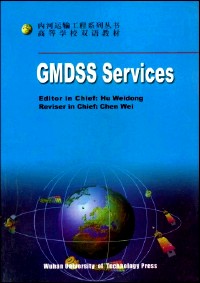
GMDSS Services
- 名称
- 类型
- 大小
光盘服务联系方式: 020-38250260 客服QQ:4006604884
云图客服:
用户发送的提问,这种方式就需要有位在线客服来回答用户的问题,这种 就属于对话式的,问题是这种提问是否需要用户登录才能提问
Video Player
×
Audio Player
×
pdf Player
×
