

简介
Summary:
Publisher Summary 1
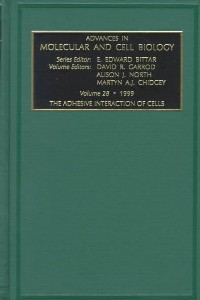
The aim of "The Adhesive Interaction of Cells" has been to assemble a series of reviews by leading international experts embracing many of the most important recent developments in this rapidly expanding field. The purpose of all biological research is to understand the form and function of living organisms and, by comprehending the normal, to find explanations and remedies for the abnormal and for disease conditions. The molecules involved in cell adhesion are of fundamental importance to the structure and function of all multicellular organisms. In this book, the contributors focus on the systems of vertebrates, especially mammals, since these are most relevant to human disease. It would have been equally possible to concentrate on developmental processes and adhesion in lower organisms.
A major function of adhesion molecules is to bind cells to each other or to the extracellular matrix, but they are much more than "glue". Adhesions in animal tissues must be dynamic-forming, persisting, or declining in regulated fashion- to facilitate the mobility and turnover of tissue cells. Moreover, the majority of adhesion molecules are transmembrane molecules and thus provide links between the cells and their surroundings. This gives rise to another major function of adhesion molecules, the capacity to transduce signals across the hydrophobic barrier imposed by the plasma membrane. Such signal transduction is crucially important to many aspects of cellular function including the regulation of cell motility, gene expression, and differentiation.
The work in this book progresses through four sections. Part I discusses the four major families of adhesion molecules themselves, the integrins (Green and Humphries), the cadherins (Stappert and Kemler), the selectins (Tedder et al.) and the immunoglobulin superfamily (Simmons); part 2 considers junctional complexes involved in cell interactions: focal adhesions and adherens junctions (Ben Ze'ev), desmosomes (Garrod et al.), and tight junctions (Citi and Cordenonsi). The signaling role of adhesion molecules is the focus of part 3, through integrins and the extracellular matrix (Edwards and Streuli), through platelet adhesion (Du and Ginsberg), and in the nervous system (Hemperley). In part 4, the aim is to show how adhesive phenomena contribute to important aspects of cell behavior and human health. Leukocyte trafficking (Haskard et al.), cancer metastasis (Marshall and Hart), cell migration (Paleck et al.), and implantation and placentation (Damsky et al.) are the topics considered in depth.
The different sections are, of course, not mutually exclusive: it is both undesirable and impossible to separate structure from function when considering cell adhesion. Each chapter has its unique features, but some overlap is both invevitable and valuable since it provides different perspectives on closely related topics. We hope that the whole contributes a valuable and stimulating consideration of this important topic.
Publisher Summary 2
The aim of "The Adhesive Interaction of Cells" has been to assemble a series of reviews by leading international experts embracing many of the most important recent developments in this rapidly expanding field. The purpose of all biological research is to understand the form and function of living organisms and, by comprehending the normal, to find explanations and remedies for the abnormal and for disease conditions. The molecules involved in cell adhesion are of fundamental importance to the structure and function of all multicellular organisms. In this book, the contributors focus on the systems of vertebrates, especially mammals, since these are most relevant to human disease. It would have been equally possible to concentrate on developmental processes and adhesion in lower organisms.
A major function of adhesion molecules is to bind cells to each other or to the extracellular matrix, but they are much more than "glue". Adhesions in animal tissues must be dynamic-forming, persisting, or declining in regulated fashion- to facilitate the mobility and turnover of tissue cells. Moreover, the majority of adhesion molecules are transmembrane molecules and thus provide links between the cells and their surroundings. This gives rise to another major function of adhesion molecules, the capacity to transduce signals across the hydrophobic barrier imposed by the plasma membrane. Such signal transduction is crucially important to many aspects of cellular function including the regulation of cell motility, gene expression, and differentiation.
The work in this book progresses through four sections. Part I discusses the four major families of adhesion molecules themselves, the integrins (Green and Humphries), the cadherins (Stappert and Kemler), the selectins (Tedder et al.) and the immunoglobulin superfamily (Simmons); part 2 considers junctional complexes involved in cell interactions: focal adhesions and adherens junctions (Ben Ze'ev), desmosomes (Garrod et al.), and tight junctions (Citi and Cordenonsi). The signaling role of adhesion molecules is the focus of part 3, through integrins and the extracellular matrix (Edwards and Streuli), through platelet adhesion (Du and Ginsberg), and in the nervous system (Hemperley). In part 4, the aim is to show how adhesive phenomena contribute to important aspects of cell behavior and human health. Leukocyte trafficking (Haskard et al.), cancer metastasis (Marshall and Hart), cell migration (Paleck et al.), and implantation and placentation (Damsky et al.) are the topics considered in depth.
The different sections are, of course, not mutually exclusive: it is both undesirable and impossible to separate structure from function when considering cell adhesion. Each chapter has its unique features, but some overlap is both invevitable and valuable since it provides different perspectives on closely related topics. We hope that the whole contributes a valuable and stimulating consideration of this important topic.
目录
Table Of Contents:
List of Contributors vii
Preface xi
David R. Garrod
PART I. ADHESION MOLECULES AND THEIR LIGANDS
The Molecular Anatomy of Integrins 3(24)
Linda J. Green
Martin J. Humphries
The Cadherin Superfamily 27(38)
Jorg Stappert
Rolf Kemler
The Selectins and Their Ligands: Adhesion Molecules of the Vasculature 65(48)
Thomas F. Tedder
Xuan Li
Douglas A. Steeber
The Immunoglobulin Superfamily 113(22)
David L. Simmons
PART II. ORGANIZATION OF ADHESION COMPLEXES
Focal Adhesions and Adherens Junctions: Their Role in Tumorigenesis 135(30)
Avri Ben-Ze'ev
Desmosomal Adhesion 165(38)
David R. Garrod
Chris Tselepis
Sarah K. Runswick
Alison J. North
Sarah R. Wallis
Martyn A. J. Chidgey
The Molecular Basis for the Structure, Function, and Regulation of Tight Junctions 203(34)
Sandra Citi
Michelangelo Cordenonsi
PART III. SIGNALING BY ADHESION MOLECULES
Activation of Integrin Signaling Pathways By Cell Interactions with Extracellular Matrix 237(32)
Gwynneth M. Edwards
Charles H. Streuli
Signaling and Platelet Adhesion 269(34)
Xiaoping Du
Mark H. Ginsberg
Signaling By Cell Adhesion Molecules in the Nervous System 303(20)
John J. Hemperly
PART IV. ADHESIVE PROCESSES
Vascular Endothelial Cell Adhesion Molecules and the Control of Leukocyte Traffic in Cutaneous Inflammation 323(22)
Dorian O. Haskard
Justin C. Mason
Julie McHale
The Role of Adhesion in Metastasis: Potential Mechanisms and Modulation of Integrin Activity 345(22)
John F. Marshall
lan R. Hart
Integrin Adhesion in Cell Migration 367(22)
Sean P. Palecek
Elisabeth A. Cox
Anna Huttenlocher
Douglas A. Lauffenburger
Alan F. Horwitz
Adhesion Receptors: Critical Effectors of Trophoblast Differentiation During Implantation and Placentation 389(20)
Caroline H. Damsky
Yan Zhou
Olga Genbacev
Jay Cross
Susan J. Fisher
Index 409
List of Contributors vii
Preface xi
David R. Garrod
PART I. ADHESION MOLECULES AND THEIR LIGANDS
The Molecular Anatomy of Integrins 3(24)
Linda J. Green
Martin J. Humphries
The Cadherin Superfamily 27(38)
Jorg Stappert
Rolf Kemler
The Selectins and Their Ligands: Adhesion Molecules of the Vasculature 65(48)
Thomas F. Tedder
Xuan Li
Douglas A. Steeber
The Immunoglobulin Superfamily 113(22)
David L. Simmons
PART II. ORGANIZATION OF ADHESION COMPLEXES
Focal Adhesions and Adherens Junctions: Their Role in Tumorigenesis 135(30)
Avri Ben-Ze'ev
Desmosomal Adhesion 165(38)
David R. Garrod
Chris Tselepis
Sarah K. Runswick
Alison J. North
Sarah R. Wallis
Martyn A. J. Chidgey
The Molecular Basis for the Structure, Function, and Regulation of Tight Junctions 203(34)
Sandra Citi
Michelangelo Cordenonsi
PART III. SIGNALING BY ADHESION MOLECULES
Activation of Integrin Signaling Pathways By Cell Interactions with Extracellular Matrix 237(32)
Gwynneth M. Edwards
Charles H. Streuli
Signaling and Platelet Adhesion 269(34)
Xiaoping Du
Mark H. Ginsberg
Signaling By Cell Adhesion Molecules in the Nervous System 303(20)
John J. Hemperly
PART IV. ADHESIVE PROCESSES
Vascular Endothelial Cell Adhesion Molecules and the Control of Leukocyte Traffic in Cutaneous Inflammation 323(22)
Dorian O. Haskard
Justin C. Mason
Julie McHale
The Role of Adhesion in Metastasis: Potential Mechanisms and Modulation of Integrin Activity 345(22)
John F. Marshall
lan R. Hart
Integrin Adhesion in Cell Migration 367(22)
Sean P. Palecek
Elisabeth A. Cox
Anna Huttenlocher
Douglas A. Lauffenburger
Alan F. Horwitz
Adhesion Receptors: Critical Effectors of Trophoblast Differentiation During Implantation and Placentation 389(20)
Caroline H. Damsky
Yan Zhou
Olga Genbacev
Jay Cross
Susan J. Fisher
Index 409
- 名称
- 类型
- 大小
光盘服务联系方式: 020-38250260 客服QQ:4006604884
云图客服:
用户发送的提问,这种方式就需要有位在线客服来回答用户的问题,这种 就属于对话式的,问题是这种提问是否需要用户登录才能提问
Video Player
×
Audio Player
×
pdf Player
×
