

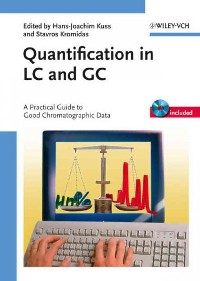
简介
出版日期: 2009年11月10日
目录
Table Of Contents:
Preface.
List of Contributors.
Structure of the Book.
Part 1: Evaluation and Estimation of Chromatographic Data.
1. Evaluating Chromatograms (Hans-Joachim Kuss and Daniel Stauffer).
1.1 Effciency.
1.2 EMG Model.
1.3 Chromatogram.
1.4 Selectivity.
References.
2. Integration Parameters (Daniel Stauffer and Hans-Joachim Kuss).
2.1 Peak Recognition Methods.
2.2 Integration and Integration Parameters.
3. Integration Errors (Hans-Joachim Kuss).
3.1 What Does the Literature Say on Integration Errors?
3.2 Integration in Routine Practice.
3.3 Chromatogram Simulation.
References.
4. Simulation of Chromatograms (Uwe D. Neue).
4.1 Introduction.
4.2 Peak Simulation.
4.3 The Baseline.
4.4 The Chromatogram.
4.5 Simple Retention Modeling and Teal Chromatograms.
4.6 Outlook.
References.
5. Integration of Asymmetric Peaks (Hans-Joachim Kuss).
5.1 The Valley Between Merged Peaks.
5.2 Small Peak Between Larger Ones.
5.3 Peak Pairs.
5.4 Simulation of a Calibration.
5.5 Exponential Skim.
5.6 Integration of Merged Peaks.
5.7 Integration of Daily Practice.
References.
6. Deconvolution (Mike Hillebrand).
6.1 Introduction.
6.2 Influences of Deconvolution.
6.3 Deconvolution of Gaussian-Shaped Peaks.
6.4 Deconvolution of Peaks with Tailing.
6.5 Deconvolution of Gradient Runs.
6.6 Real Chromatogram.
6.7 Outlook.
References.
7. Interpretation of Chromatograms (Hans-Joachim Kuss).
7.1 Using the Peak Height.
7.2 Evaluation.
7.3 Calibration.
References.
8. General Interpretation of Analytical Data (Joachim Ermer).
8.1 (Normal) Distribution of Analytical Data.
8.2 Problems of Prediction.
8.3 Analytical Variability.
8.4 Key Points.
References.
9. Metrological Aspects of Chromatographic Data Evaluation (Ulrich Panne).
9.1 Introduction.
9.2 Measurement Uncertainty.
9.3 Traceability of Analytical Measurements.
References.
Part 2. Characterization of the Evaluation of Different Chromatographic Modes.
10. Evaluation and Estimation of Chromatographic Data in GC (Werner Engewald (Translator: Mike Hillebrand)).
10.1 Introduction.
10.2 How Does GC Differ from HPLC?
10.3 Qualitative Analysis.
10.4 GC-MS Coupling.
10.5 Quantitative Analysis.
10.6 Isotope Dilution Analysis (IDA) or Stable Isotope Dilution Analysis (SIDA).
10.7 Matrix Effects in Trace Analysis.
10.8 Headspace-GC.
10.9 Estimation of the Correction Factor with the FID.
References.
11. Data Evaluation (Hartmut Kirchherr).
11.1 Introduction.
11.2 Influence of the Matrix in Chromatography.
11.3 Internal Standards.
11.4 Adjustments to the Mass Spectrometer.
11.5 Evaluation Software.
References.
12. Evaluation of Chromatographic Data in Ion Chromatography (Heiko Herrmann and Detlef Jensen).
12.1 Introduction.
12.2 Eluents.
12.3 The Water Dip – the Solvent Peak in Ion Chromatography.
12.4 Contaminants.
12.5 Calibration Functions.
References.
13. Qualification of GPC/CFC/SEC Data and Results (Daniela Held and Peter Kilz).
13.1 Introduction.
13.2 Principles of GPC/SEC Data Processing.
13.3 Guidelines, Standards and Requirements for GPC/SEC Data Processing.
13.4 Validation and Tests for GPC/SEC Data Evaluation.
13.5 Influence of Data Processing, Calibration Methods and Signal Quality on Accuracy and Precision of GPC/SEC Results.
13.6 Influence of GPC/SEC specific Parameters on the Precision and Accuracy of GPC/SEC Results.
13.7 Summary.
References.
Part 3. Requirements for Chromatographic Data Analysis from Viewpoint of Organisations and Public Authorities.
14. The Science Behind the Pharmaceutical Regulatory Chromatographic Procedures (Linda Ng).
14.1 Introduction.
14.2 Instrument Qualification.
14.3 Chromatographic Procedures.
14.4 Method Design, Development and Validation.
14.5 Compendial Procedures.
14.6 Conclusions.
References.
15. Interpretation of Chromatographic Data According to the Pharmacopoeias – Control of Impurities (Ulrich Rose).
15.1 Outline.
15.2 Interpretation of Qualitative Data.
15.3 Interpretation of Quantitative Data.
References.
16. Requirements of (Chromatographic) Data in Pharmaceutical Analysis (Joachim Ermer).
16.1 System Suitability Tests.
16.2 Acceptance Limits for the Specification and Precision.
16.3 Interpretation and Treatment of Analytical Data.
References.
17. Evaluation and Valuation of Chromatographic Data (Stavros Kromidas).
17.1 Introduction.
17.2 The Situation – or Why Does so Little Change?
17.3 How Can Something Change and When is it Really Necessary?
17.4 Who Can Change Something?
Index.
Contents of the CD.
Preface.
List of Contributors.
Structure of the Book.
Part 1: Evaluation and Estimation of Chromatographic Data.
1. Evaluating Chromatograms (Hans-Joachim Kuss and Daniel Stauffer).
1.1 Effciency.
1.2 EMG Model.
1.3 Chromatogram.
1.4 Selectivity.
References.
2. Integration Parameters (Daniel Stauffer and Hans-Joachim Kuss).
2.1 Peak Recognition Methods.
2.2 Integration and Integration Parameters.
3. Integration Errors (Hans-Joachim Kuss).
3.1 What Does the Literature Say on Integration Errors?
3.2 Integration in Routine Practice.
3.3 Chromatogram Simulation.
References.
4. Simulation of Chromatograms (Uwe D. Neue).
4.1 Introduction.
4.2 Peak Simulation.
4.3 The Baseline.
4.4 The Chromatogram.
4.5 Simple Retention Modeling and Teal Chromatograms.
4.6 Outlook.
References.
5. Integration of Asymmetric Peaks (Hans-Joachim Kuss).
5.1 The Valley Between Merged Peaks.
5.2 Small Peak Between Larger Ones.
5.3 Peak Pairs.
5.4 Simulation of a Calibration.
5.5 Exponential Skim.
5.6 Integration of Merged Peaks.
5.7 Integration of Daily Practice.
References.
6. Deconvolution (Mike Hillebrand).
6.1 Introduction.
6.2 Influences of Deconvolution.
6.3 Deconvolution of Gaussian-Shaped Peaks.
6.4 Deconvolution of Peaks with Tailing.
6.5 Deconvolution of Gradient Runs.
6.6 Real Chromatogram.
6.7 Outlook.
References.
7. Interpretation of Chromatograms (Hans-Joachim Kuss).
7.1 Using the Peak Height.
7.2 Evaluation.
7.3 Calibration.
References.
8. General Interpretation of Analytical Data (Joachim Ermer).
8.1 (Normal) Distribution of Analytical Data.
8.2 Problems of Prediction.
8.3 Analytical Variability.
8.4 Key Points.
References.
9. Metrological Aspects of Chromatographic Data Evaluation (Ulrich Panne).
9.1 Introduction.
9.2 Measurement Uncertainty.
9.3 Traceability of Analytical Measurements.
References.
Part 2. Characterization of the Evaluation of Different Chromatographic Modes.
10. Evaluation and Estimation of Chromatographic Data in GC (Werner Engewald (Translator: Mike Hillebrand)).
10.1 Introduction.
10.2 How Does GC Differ from HPLC?
10.3 Qualitative Analysis.
10.4 GC-MS Coupling.
10.5 Quantitative Analysis.
10.6 Isotope Dilution Analysis (IDA) or Stable Isotope Dilution Analysis (SIDA).
10.7 Matrix Effects in Trace Analysis.
10.8 Headspace-GC.
10.9 Estimation of the Correction Factor with the FID.
References.
11. Data Evaluation (Hartmut Kirchherr).
11.1 Introduction.
11.2 Influence of the Matrix in Chromatography.
11.3 Internal Standards.
11.4 Adjustments to the Mass Spectrometer.
11.5 Evaluation Software.
References.
12. Evaluation of Chromatographic Data in Ion Chromatography (Heiko Herrmann and Detlef Jensen).
12.1 Introduction.
12.2 Eluents.
12.3 The Water Dip – the Solvent Peak in Ion Chromatography.
12.4 Contaminants.
12.5 Calibration Functions.
References.
13. Qualification of GPC/CFC/SEC Data and Results (Daniela Held and Peter Kilz).
13.1 Introduction.
13.2 Principles of GPC/SEC Data Processing.
13.3 Guidelines, Standards and Requirements for GPC/SEC Data Processing.
13.4 Validation and Tests for GPC/SEC Data Evaluation.
13.5 Influence of Data Processing, Calibration Methods and Signal Quality on Accuracy and Precision of GPC/SEC Results.
13.6 Influence of GPC/SEC specific Parameters on the Precision and Accuracy of GPC/SEC Results.
13.7 Summary.
References.
Part 3. Requirements for Chromatographic Data Analysis from Viewpoint of Organisations and Public Authorities.
14. The Science Behind the Pharmaceutical Regulatory Chromatographic Procedures (Linda Ng).
14.1 Introduction.
14.2 Instrument Qualification.
14.3 Chromatographic Procedures.
14.4 Method Design, Development and Validation.
14.5 Compendial Procedures.
14.6 Conclusions.
References.
15. Interpretation of Chromatographic Data According to the Pharmacopoeias – Control of Impurities (Ulrich Rose).
15.1 Outline.
15.2 Interpretation of Qualitative Data.
15.3 Interpretation of Quantitative Data.
References.
16. Requirements of (Chromatographic) Data in Pharmaceutical Analysis (Joachim Ermer).
16.1 System Suitability Tests.
16.2 Acceptance Limits for the Specification and Precision.
16.3 Interpretation and Treatment of Analytical Data.
References.
17. Evaluation and Valuation of Chromatographic Data (Stavros Kromidas).
17.1 Introduction.
17.2 The Situation – or Why Does so Little Change?
17.3 How Can Something Change and When is it Really Necessary?
17.4 Who Can Change Something?
Index.
Contents of the CD.
- 名称
- 类型
- 大小
光盘服务联系方式: 020-38250260 客服QQ:4006604884
云图客服:
用户发送的提问,这种方式就需要有位在线客服来回答用户的问题,这种 就属于对话式的,问题是这种提问是否需要用户登录才能提问
Video Player
×
Audio Player
×
pdf Player
×
亲爱的云图用户,
光盘内的文件都可以直接点击浏览哦
无需下载,在线查阅资料!
