

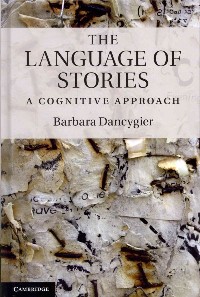
简介
"How do we read stories? How do they engage our minds and create meaning? Are they a mental construct, a linguistic one or a cultural one? What is the difference between real stories and fictional ones? This book addresses such questions by describing the conceptual and linguistic underpinnings of narrative interpretation. Barbara Dancygier discusses literary texts as linguistic artifacts, describing the processes which drive the emergence of literary meaning. If a text means something to someone, she argues, there have to be linguistic phenomena that make it possible. Drawing on blending theory and construction grammar, the book focuses its linguistic lens on the concepts of the narrator and the story, and defines narrative viewpoint in a new way. The examples come from a wide spectrum of texts, primarily novels and drama, by authors such as William Shakespeare, Margaret Atwood, Philip Roth, Dave Eggers, Jan Potocki and Mikhail Bulgakov"--
"The relationship between language and literature is a contentious issue. On the one hand, it may simply be described as a relationship between raw material and a finished product - language provides the basis on which creative and unique works of literature emerge. On the other hand, once we look at meaning, the dividing lines begin to fade - it is difficult to define a sharp boundary separating the meaning of literary works and the meaning of other texts. One way of downplaying the obvious links is to claim that fiction engages knowledge much broader and culturally specific than every-day use of language does. But that would be an exaggeration. One could not follow an ordinary discussion of, say, climate change if one did not have any prior knowledge of the issue"--
目录
Table Of Contents:
List of figures ix
Acknowledgements x
Introduction 1(3)
1 Language and literary narratives 4(27)
1.1 Where does narrative meaning come from? 6(2)
1.2 Literary analysis and linguistic analysis 8(3)
1.3 Literature, language, and human nature 11(5)
1.4 Literary texts and communication 16(5)
1.5 Why is fiction special? 21(2)
1.6 Narrative and grounding 23(6)
1.7 Approaching narratives 29(2)
2 Blending, narrative spaces, and the emergent story 31(27)
2.1 Applying blending to fictional narratives 32(3)
2.2 Narrative spaces as mental spaces 35(5)
2.3 Narrative spaces - an example 40(13)
2.4 Emergent story 53(5)
3 Stories and their tellers 58(29)
3.1 Narrators, narrative spaces, and viewpoint 60(4)
3.2 Types of teller and epistemic viewpoint 64(12)
3.3 Second-person narratives 76(3)
3.4 The teller, the author, and the character 79(1)
3.5 Multiple tellers 80(4)
3.6 Narrative space embedding 84(2)
3.7 Narrative viewpoint and narrative spaces 86(1)
4 Viewpoint: representation and compression 87(30)
4.1 Viewpoint and representation 91(5)
4.2 Viewpoint compression 96(4)
4.3 Decompression for viewpoint 100(2)
4.4 Fictive vision, causation, and change 102(4)
4.5 The micro level, the macro level, and viewpoint compression 106(2)
4.6 Speech, thought, and multiple levels of representation 108(4)
4.7 Narrative thought and intersubjectivity 112(5)
5 Referential expressions and narrative spaces 117(22)
5.1 Compression, decompression, and cross-space mappings 118(1)
5.2 Proper names, frame metonymy, and the status of a character 119(2)
5.3 Role-value mappings as cross-space connectors 121(7)
5.4 Common nouns 128(1)
5.5 Personal pronouns, viewpoint, and the narrator 129(7)
5.6 Deictic / and the construal of subjectivity 136(3)
6 Fictional minds and embodiment in drama and fiction 139(32)
6.1 Deictic ground in literary discourse 139(2)
6.2 Mental spaces, physical spaces, and dramatic narratives 141(5)
6.3 Materiality of the stage and fictional minds 146(18)
6.4 From dramatic narratives to novelistic narratives 164(4)
6.5 Fictional minds, bodies, and brains 168(3)
7 Speech and thought in the narrative 171(24)
7.1 Types of discourse spaces in the narrative 172(2)
7.2 Speaking for thinking 174(4)
7.3 Levels of embedding in thought representation 178(5)
7.4 Viewpoint compression and constructional compositionality 183(12)
8 Stories in the mind 195(10)
8.1 The linguistics of literature 195(5)
8.2 The storyworld reality 200(1)
8.3 Blending and narrative analysis 201(2)
8.4 A bridge to the truth 203(2)
Notes to the text 205(5)
References 210(13)
Literary works cited 223(2)
Index 225
List of figures ix
Acknowledgements x
Introduction 1(3)
1 Language and literary narratives 4(27)
1.1 Where does narrative meaning come from? 6(2)
1.2 Literary analysis and linguistic analysis 8(3)
1.3 Literature, language, and human nature 11(5)
1.4 Literary texts and communication 16(5)
1.5 Why is fiction special? 21(2)
1.6 Narrative and grounding 23(6)
1.7 Approaching narratives 29(2)
2 Blending, narrative spaces, and the emergent story 31(27)
2.1 Applying blending to fictional narratives 32(3)
2.2 Narrative spaces as mental spaces 35(5)
2.3 Narrative spaces - an example 40(13)
2.4 Emergent story 53(5)
3 Stories and their tellers 58(29)
3.1 Narrators, narrative spaces, and viewpoint 60(4)
3.2 Types of teller and epistemic viewpoint 64(12)
3.3 Second-person narratives 76(3)
3.4 The teller, the author, and the character 79(1)
3.5 Multiple tellers 80(4)
3.6 Narrative space embedding 84(2)
3.7 Narrative viewpoint and narrative spaces 86(1)
4 Viewpoint: representation and compression 87(30)
4.1 Viewpoint and representation 91(5)
4.2 Viewpoint compression 96(4)
4.3 Decompression for viewpoint 100(2)
4.4 Fictive vision, causation, and change 102(4)
4.5 The micro level, the macro level, and viewpoint compression 106(2)
4.6 Speech, thought, and multiple levels of representation 108(4)
4.7 Narrative thought and intersubjectivity 112(5)
5 Referential expressions and narrative spaces 117(22)
5.1 Compression, decompression, and cross-space mappings 118(1)
5.2 Proper names, frame metonymy, and the status of a character 119(2)
5.3 Role-value mappings as cross-space connectors 121(7)
5.4 Common nouns 128(1)
5.5 Personal pronouns, viewpoint, and the narrator 129(7)
5.6 Deictic / and the construal of subjectivity 136(3)
6 Fictional minds and embodiment in drama and fiction 139(32)
6.1 Deictic ground in literary discourse 139(2)
6.2 Mental spaces, physical spaces, and dramatic narratives 141(5)
6.3 Materiality of the stage and fictional minds 146(18)
6.4 From dramatic narratives to novelistic narratives 164(4)
6.5 Fictional minds, bodies, and brains 168(3)
7 Speech and thought in the narrative 171(24)
7.1 Types of discourse spaces in the narrative 172(2)
7.2 Speaking for thinking 174(4)
7.3 Levels of embedding in thought representation 178(5)
7.4 Viewpoint compression and constructional compositionality 183(12)
8 Stories in the mind 195(10)
8.1 The linguistics of literature 195(5)
8.2 The storyworld reality 200(1)
8.3 Blending and narrative analysis 201(2)
8.4 A bridge to the truth 203(2)
Notes to the text 205(5)
References 210(13)
Literary works cited 223(2)
Index 225
- 名称
- 类型
- 大小
光盘服务联系方式: 020-38250260 客服QQ:4006604884
云图客服:
用户发送的提问,这种方式就需要有位在线客服来回答用户的问题,这种 就属于对话式的,问题是这种提问是否需要用户登录才能提问
Video Player
×
Audio Player
×
pdf Player
×
