

简介
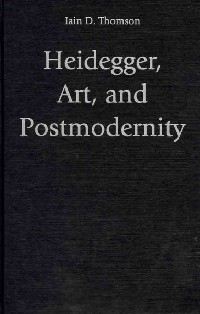
Heidegger, Art, and Postmodernity offers a radical new interpretation of Heidegger's later philosophy, developing his argument that art can help lead humanity beyond the nihilistic ontotheology of the modern age. Providing pathbreaking readings of Heidegger's "The Origin of the Work of Art" and his notoriously difficult Contributions to Philosophy (From Enowning), this book explains precisely what postmodernity meant for Heidegger, the greatest philosophical critic of modernity, and what it could still mean for us today. Exploring these issues, Iain D. Thomson examines several postmodern works of art, including music, literature, painting, and even comic books, from a post-Heideggerian perspective. Clearly written and accessible, this book will help readers gain a deeper understanding of Heidegger and his relation to postmodern theory, popular culture, and art.
目录
Cover 1
Half-title 3
Title 5
Copyright 6
Contents 9
Illustrations 11
Acknowledgments 13
Abbreviations Used for Works by Heidegger (Translations frequently modified) 17
A Note on the Notes (Redux) 21
Introduction: Heidegger, Art, and Postmodernity 23
1 Understanding Ontotheology, or \u201cThe History that We Are\u201d 29
1. Back to Basics 33
2. Thinking Through Nietzsche\u2019s Unthought Ontotheology 37
3. Transcending Our Technological Ontotheology 40
4. Images of Ontotheology 47
5. Conclusions: On the Use and Abuse of Ontotheology for Religion 55
2 Heidegger\u2019s Critique of Modern Aesthetics 62
1. Introduction: Heidegger \u2013 Against Aesthetics, for Art 62
1.1. \u201cHeidegger\u2019s Aesthetics\u201d: Beyond the Oxymoron 63
1.2. Heidegger\u2019s Understanding of the True Work of Art 64
2. Heidegger\u2019s Philosophical Critique of Aesthetics 67
2.1. How Heidegger Understands Aesthetics 69
2.2. Heidegger\u2019s Critique of the Aesthetic Approach 70
2.3. Symptoms of Subjectivism 73
3. How Aesthetics Reflects and Reinforces Subjectivism 75
3.1. Undermining the Subject/Object Dichotomy Phenomenologically 76
3.2. Phenomenology Against Aesthetic Subjectivism 77
3.3. From Modern Subjectivism to Late-Modern Enframing in Aesthetics 79
4. Conclusion and Transition: From Hegel\u2019s End of Art to Heidegger\u2019s Other Beginning 84
3 Heidegger\u2019s Postmodern Understanding of Art 87
1. Introduction: The Three Pillars of Heidegger\u2019s Understanding of Art 87
1.1. Back to the Future: Heidegger on the Essence of Art 94
1.2. Heidegger\u2019s Phenomenological Approach to Art 99
1.3. The Phenomenological Difficulty Heidegger Introduces Van Gogh to Address 104
2. Seeing Differently: From the Noth-Ing of the Nothing to the Essential Strife of Earth and World 106
2.1. From the Phenomenology of Van Gogh\u2019s Painting to the Ontology of Art 112
2.2. Representing Nothing: Transcending Aesthetic Subjectivism from Within 116
2.3. Heidegger\u2019s Postmodern Understanding of Art 121
3. Resolving the Controversy Surrounding Heidegger\u2019s Interpretation of Van Gogh 128
4 \u201cEven Better than the Real Thing\u201d?: Postmodernity, the Triumph of the Simulacra, and U2 143
1. Postmodernity: Beyond the Brutal Simplifications of Modernity 143
2. Three More Meanings of Postmodernity 149
3. U2 and Postmodernity: et tu, Bono? 158
5 Deconstructing the Hero: The Postmodern Comic Book 163
1. Shattering: Fragment of a bildungsroman 165
2. Rereading, Retroactive Defamiliarization, and the Uncanny 166
3. Deconstruction, the Unhappy Realization of Fantasy, and Nihilism 169
4. Framing the Frame: Should History Dispense with the Hero? 176
5. Existential Deconstructions of the Hero 179
6. Sparks in the Darkness 187
6 The Philosophical Fugue: Understanding the Structure and Goal of Heidegger\u2019s Contributions to Philosophy (From Enowning) 191
1. Introduction to heidegger\u2019s contributions to philosophy (from enowning) 193
2. The Fugue: Understanding the Structure of Heidegger\u2019s contributions 196
3. How the Fugal Structure of the contributions Serves its Goal: Postmodernity 205
7 The Danger and the Promise of Heidegger, an American Perspective 214
1. Introduction: The Danger and the Promise of Heidegger 214
2. Heidegger on the Greatest Danger 218
3. America and the Danger 222
4. From the Danger to the Promise 229
5. Beyond Ontotheology: Hope for the Future 233
8 Against Conclusions 235
References 243
Index 255
Half-title 3
Title 5
Copyright 6
Contents 9
Illustrations 11
Acknowledgments 13
Abbreviations Used for Works by Heidegger (Translations frequently modified) 17
A Note on the Notes (Redux) 21
Introduction: Heidegger, Art, and Postmodernity 23
1 Understanding Ontotheology, or \u201cThe History that We Are\u201d 29
1. Back to Basics 33
2. Thinking Through Nietzsche\u2019s Unthought Ontotheology 37
3. Transcending Our Technological Ontotheology 40
4. Images of Ontotheology 47
5. Conclusions: On the Use and Abuse of Ontotheology for Religion 55
2 Heidegger\u2019s Critique of Modern Aesthetics 62
1. Introduction: Heidegger \u2013 Against Aesthetics, for Art 62
1.1. \u201cHeidegger\u2019s Aesthetics\u201d: Beyond the Oxymoron 63
1.2. Heidegger\u2019s Understanding of the True Work of Art 64
2. Heidegger\u2019s Philosophical Critique of Aesthetics 67
2.1. How Heidegger Understands Aesthetics 69
2.2. Heidegger\u2019s Critique of the Aesthetic Approach 70
2.3. Symptoms of Subjectivism 73
3. How Aesthetics Reflects and Reinforces Subjectivism 75
3.1. Undermining the Subject/Object Dichotomy Phenomenologically 76
3.2. Phenomenology Against Aesthetic Subjectivism 77
3.3. From Modern Subjectivism to Late-Modern Enframing in Aesthetics 79
4. Conclusion and Transition: From Hegel\u2019s End of Art to Heidegger\u2019s Other Beginning 84
3 Heidegger\u2019s Postmodern Understanding of Art 87
1. Introduction: The Three Pillars of Heidegger\u2019s Understanding of Art 87
1.1. Back to the Future: Heidegger on the Essence of Art 94
1.2. Heidegger\u2019s Phenomenological Approach to Art 99
1.3. The Phenomenological Difficulty Heidegger Introduces Van Gogh to Address 104
2. Seeing Differently: From the Noth-Ing of the Nothing to the Essential Strife of Earth and World 106
2.1. From the Phenomenology of Van Gogh\u2019s Painting to the Ontology of Art 112
2.2. Representing Nothing: Transcending Aesthetic Subjectivism from Within 116
2.3. Heidegger\u2019s Postmodern Understanding of Art 121
3. Resolving the Controversy Surrounding Heidegger\u2019s Interpretation of Van Gogh 128
4 \u201cEven Better than the Real Thing\u201d?: Postmodernity, the Triumph of the Simulacra, and U2 143
1. Postmodernity: Beyond the Brutal Simplifications of Modernity 143
2. Three More Meanings of Postmodernity 149
3. U2 and Postmodernity: et tu, Bono? 158
5 Deconstructing the Hero: The Postmodern Comic Book 163
1. Shattering: Fragment of a bildungsroman 165
2. Rereading, Retroactive Defamiliarization, and the Uncanny 166
3. Deconstruction, the Unhappy Realization of Fantasy, and Nihilism 169
4. Framing the Frame: Should History Dispense with the Hero? 176
5. Existential Deconstructions of the Hero 179
6. Sparks in the Darkness 187
6 The Philosophical Fugue: Understanding the Structure and Goal of Heidegger\u2019s Contributions to Philosophy (From Enowning) 191
1. Introduction to heidegger\u2019s contributions to philosophy (from enowning) 193
2. The Fugue: Understanding the Structure of Heidegger\u2019s contributions 196
3. How the Fugal Structure of the contributions Serves its Goal: Postmodernity 205
7 The Danger and the Promise of Heidegger, an American Perspective 214
1. Introduction: The Danger and the Promise of Heidegger 214
2. Heidegger on the Greatest Danger 218
3. America and the Danger 222
4. From the Danger to the Promise 229
5. Beyond Ontotheology: Hope for the Future 233
8 Against Conclusions 235
References 243
Index 255
- 名称
- 类型
- 大小
光盘服务联系方式: 020-38250260 客服QQ:4006604884
云图客服:
用户发送的提问,这种方式就需要有位在线客服来回答用户的问题,这种 就属于对话式的,问题是这种提问是否需要用户登录才能提问
Video Player
×
Audio Player
×
pdf Player
×
