

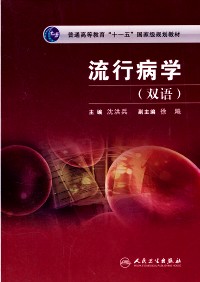
简介
在《普通高等教育“十一五”国家级规划教材:流行病学(双语)》的编写过程中遵循了卫生部规划教材的总体原则和基本要求,其内容和体系主要依据目前国内临床医学及相关专业(特别是长学制临床专业)的流行病学教学大纲和培养目标,突出了流行病学基础理论和实践应用能力的培养,贯彻了“三基”、“五性”和“三特定”的原则要求。《普通高等教育“十一五”国家级规划教材:流行病学(双语)》适用对象主要是长学制临床医学类专业学生和有条件进行双语教学的临床医学类专业本科生。由于篇幅所限,英文部分未采用汉英一一对照的翻译方式,而是在参阅大量英文原版教材的基础上,结合中文内容编写而成,采用了主题词的形式,尽量体现中文章节的主要内容和关键主题词,以便于学生掌握主要专业词汇。
目录
第一章 绪论
第一节 概述
第二节 流行病学研究方法
第三节 流行病学的重要特征
第四节 流行病学的应用
第五节 流行病学与临床医学的关系
Chapter 1 Introduction
Definition of Epidemiology
A Brief History of Epidemiology
Methods and Designs of Epidemiology
Characteristics of Epidemiology
Applications of Epidemiology
Importance of Studying Epidemiology
第二章 疾病频率的测量
第一节 率和比的基本概念
第二节 发病与患病频率的测量指标
第三节 死亡频率的测量指标
Chapter 2 Measures of Disease Frequency
Rates, Ratios, and Proportions Compared
Morbidity Frequency Measures
Mortality Frequency Measures
第三章 描述性研究
第一节 概述
第二节 疾病分布的描述
第三节 疾病的流行强度
第四节 描述性研究的类型
第五节 研究设计与实施
第六节 偏倚及其控制
Chapter 3 Descriptive Studies
Type of Descriptive Studies
Exploring the Occurrence of Disease
Endemic, Epidemic, and Pandemic
Conclusions
第四章 队列研究
第一节 概述
第二节 队列研究的实施
第三节 资料分析
第四节 偏倚及控制
第五节 优缺点
Chapter 4 Cohort Studies
Definition of the Cohort Study
Design of the Cohort Study
Data Analysis for the Cohort Study
Sources of Bias in Cohort Studies
Example of A Cohort Study
Strengths and Limitations of the Cohort Study
Conclusions
第五章 病例对照研究
第一节 概述
第二节 病例对照研究的实施
第三节 资料分析
第四节 偏倚及其控制
第五节 优缺点
Chapter 5 Case-Control Study
Overview
Design and Conduct of Case-Control Studies
Analysis of Case-Control Study
Issues in Interpretation
Types of Bias and the Role of Bias
Advantages and Disadvantages of Case-Control Studies
第六章 临床试验和疾病预后研究
第一节 临床试验
第二节 疾病预后研究
Chapter 6 Clinical Trials and Disease Prognosis
Clinical Trials
Disease Prognosis
第七章 诊断试验
第一节 概述
第二节 诊断试验评价的设计
第三节 诊断试验的评价
第四节 诊断试验界值的确定
第五节 提高诊断试验效率的方法
Chapter 7 Diagnostic Test
Definition
Purpose
Design of Studies to Evaluate Test Performance
Trade-offs Between Sensitivity and Specificity
Improving the Efficiency of a Diagnostic Test
第八章 因果关系的推断
第一节 病因概念
第二节 因果关联的推断
第三节 因果推断标准
Chapter 8 Causal Inference
Concepts of Cause
Sufficient Causal Model
Process of Establishing Causality
Criteria for Causality
Non-Causal Associations: the Role of Bias and Confounding
第九章 传染病流行病学
第一节 概述
第二节 传染病发生与流行的基本条件
第三节 传染病的预防与控制
Chapter 9 Communicable Disease Epidemiology
Introduction
Etiology of Communicable Disease
Infectious Process & Spectrum of Communicable Diseases
Three Links in the Epidemic Process
Prevention and Control Measure of Communicable Diseases
Conclusions
第十章 疾病的预防控制
第一节 疾病的预防策略
第二节 疾病的预防控制措施
第三节 疾病监测
第四节 医院感染及其预防与控制
Chapter 10 Disease Control and Prevention
Strategies for Disease Control and Prevention
Prevention and Control of Chronic Non-communicable Diseases
Disease Surveillance
Hospital Infection and Its Prevention and Control
第十一章 流行病学研究方法的综合应用--疾病暴发调查
第一节 传染病暴发流行的调查实例
第二节 疾病暴发调查的若干重要概念及暴发调查基本程序
Chapter 11 Outbreak Investigations
Disease Outbreaks
Purpose of Investigating Disease Outbreaks
Framework for Investigating Disease Outbreaks
Epidemiologic Challenges in Outbreak Investigations
Conclusions
第十二章 医学文献的阅读与评价
第一节 医学文献概述
第二节 医学文献的阅读和评价
Chapter 12 Medical Literature Reading and Evaluation
Introduction
Reading Strategies
Evaluating a Report
Systematic Evaluation of the Clinical Literature
Evaluation Standards for Medical Literature
第十三章 循证医学及系统评价
第一节 循证医学
第二节 系统评价
第三节 meta分析
Chapter 13 Evidence Based Medicine and Systematic Review
Evidence-Based Medicine
Systematic Review
Meta-Analysis
主要参考书目
中英文名词对照索引
英文索引
第一节 概述
第二节 流行病学研究方法
第三节 流行病学的重要特征
第四节 流行病学的应用
第五节 流行病学与临床医学的关系
Chapter 1 Introduction
Definition of Epidemiology
A Brief History of Epidemiology
Methods and Designs of Epidemiology
Characteristics of Epidemiology
Applications of Epidemiology
Importance of Studying Epidemiology
第二章 疾病频率的测量
第一节 率和比的基本概念
第二节 发病与患病频率的测量指标
第三节 死亡频率的测量指标
Chapter 2 Measures of Disease Frequency
Rates, Ratios, and Proportions Compared
Morbidity Frequency Measures
Mortality Frequency Measures
第三章 描述性研究
第一节 概述
第二节 疾病分布的描述
第三节 疾病的流行强度
第四节 描述性研究的类型
第五节 研究设计与实施
第六节 偏倚及其控制
Chapter 3 Descriptive Studies
Type of Descriptive Studies
Exploring the Occurrence of Disease
Endemic, Epidemic, and Pandemic
Conclusions
第四章 队列研究
第一节 概述
第二节 队列研究的实施
第三节 资料分析
第四节 偏倚及控制
第五节 优缺点
Chapter 4 Cohort Studies
Definition of the Cohort Study
Design of the Cohort Study
Data Analysis for the Cohort Study
Sources of Bias in Cohort Studies
Example of A Cohort Study
Strengths and Limitations of the Cohort Study
Conclusions
第五章 病例对照研究
第一节 概述
第二节 病例对照研究的实施
第三节 资料分析
第四节 偏倚及其控制
第五节 优缺点
Chapter 5 Case-Control Study
Overview
Design and Conduct of Case-Control Studies
Analysis of Case-Control Study
Issues in Interpretation
Types of Bias and the Role of Bias
Advantages and Disadvantages of Case-Control Studies
第六章 临床试验和疾病预后研究
第一节 临床试验
第二节 疾病预后研究
Chapter 6 Clinical Trials and Disease Prognosis
Clinical Trials
Disease Prognosis
第七章 诊断试验
第一节 概述
第二节 诊断试验评价的设计
第三节 诊断试验的评价
第四节 诊断试验界值的确定
第五节 提高诊断试验效率的方法
Chapter 7 Diagnostic Test
Definition
Purpose
Design of Studies to Evaluate Test Performance
Trade-offs Between Sensitivity and Specificity
Improving the Efficiency of a Diagnostic Test
第八章 因果关系的推断
第一节 病因概念
第二节 因果关联的推断
第三节 因果推断标准
Chapter 8 Causal Inference
Concepts of Cause
Sufficient Causal Model
Process of Establishing Causality
Criteria for Causality
Non-Causal Associations: the Role of Bias and Confounding
第九章 传染病流行病学
第一节 概述
第二节 传染病发生与流行的基本条件
第三节 传染病的预防与控制
Chapter 9 Communicable Disease Epidemiology
Introduction
Etiology of Communicable Disease
Infectious Process & Spectrum of Communicable Diseases
Three Links in the Epidemic Process
Prevention and Control Measure of Communicable Diseases
Conclusions
第十章 疾病的预防控制
第一节 疾病的预防策略
第二节 疾病的预防控制措施
第三节 疾病监测
第四节 医院感染及其预防与控制
Chapter 10 Disease Control and Prevention
Strategies for Disease Control and Prevention
Prevention and Control of Chronic Non-communicable Diseases
Disease Surveillance
Hospital Infection and Its Prevention and Control
第十一章 流行病学研究方法的综合应用--疾病暴发调查
第一节 传染病暴发流行的调查实例
第二节 疾病暴发调查的若干重要概念及暴发调查基本程序
Chapter 11 Outbreak Investigations
Disease Outbreaks
Purpose of Investigating Disease Outbreaks
Framework for Investigating Disease Outbreaks
Epidemiologic Challenges in Outbreak Investigations
Conclusions
第十二章 医学文献的阅读与评价
第一节 医学文献概述
第二节 医学文献的阅读和评价
Chapter 12 Medical Literature Reading and Evaluation
Introduction
Reading Strategies
Evaluating a Report
Systematic Evaluation of the Clinical Literature
Evaluation Standards for Medical Literature
第十三章 循证医学及系统评价
第一节 循证医学
第二节 系统评价
第三节 meta分析
Chapter 13 Evidence Based Medicine and Systematic Review
Evidence-Based Medicine
Systematic Review
Meta-Analysis
主要参考书目
中英文名词对照索引
英文索引
流行病学:双语
- 名称
- 类型
- 大小
光盘服务联系方式: 020-38250260 客服QQ:4006604884
云图客服:
用户发送的提问,这种方式就需要有位在线客服来回答用户的问题,这种 就属于对话式的,问题是这种提问是否需要用户登录才能提问
Video Player
×
Audio Player
×
pdf Player
×
