

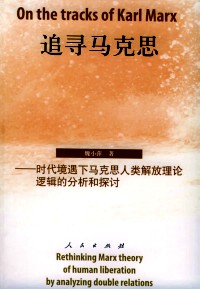
On the Tracks of Karl Marx:Rethinking Marx Theory of Human Liberation by Analyzing Double Relations
副标题:无
作 者:魏小萍著
分类号:
ISBN:9787010049403
微信扫一扫,移动浏览光盘
简介
《追寻马克思:时代境遇下马克思人类解放理论逻辑的分析和探讨》在一定程度上沿用了《历史主客体导论》一书中形成的对象性关系研究方法,马克思主义辩证法和唯物史观作为基本的思想方法,尽管各自在具体的事例上存在着这样或那样的问题,但是从总体上来说,作为最基本的思想方法是深深地植根于作者的头脑中的,人们不应该对作者的表述问题方法的不习惯而对这一点有所怀疑。毫无疑问,对分析哲学技巧在明晰概念方面的惊叹,促使我尝试着用分析哲学的方法来清理一些棘手的理论困境。
这里还有一点是需要加以说明的,《追寻马克思:时代境遇下马克思人类解放理论逻辑的分析和探讨》将其作为对立面观点进行对此讨论的自由主义理论,在忽略其新老、左右差异的基础上就其基本原则与马克思主义的基本原则进行了比较,这样一种基本原则上的差异,不仅存在于马克思与其所批判的政治经济学理论之间,同样存在于马克思与其批判性继承的黑格尔经济学理论之间。而对自由主义关于公正与平等关系的讨论是以其左翼代表为对象的后者与前者在基本原则上是没有差异的,两者之间的差异存在于对基本原则的辩护立场和矫正措施的态度。
目录
目录
概论
Abstract
第一章 对象性关系中的现实人
第一节 双重属性与双重因素
1 自然属性与社会属性
2 理性因素与非理性因素
3 对不同理性因素的界定:理性因素与理解因素
第二节 双重关系的展开
1 两种不同的对象性关系:人与物的关系和人与人的关系
2 自我存在的对象化与自我存在的异化
3 异化劳动产生的前提与必要前提
4 异化劳动与私有财产
第三节 双重关系的相互制约
1 私有财产权的主体本质、对象性本质
2 私有财产权的形成途径
3 生产手段占有的分化与物质财富占有的继续分化
第二章 前提性概念与相关问题的分析
第一节 由抽象的类规定到具体的现实人
1 类本质的假设与超越
2 利己动机、利他主义与阶级的存在
3 唯物史观经典表述中的三层涵义与人的存在
第二节 双重关系的非对称性与生产力的制约作用
1 双重关系的非对称性
2 双重关系与生产力发展的必然要求
3 双重关系在生产关系变更中的动态体现
第三节 经济与政治的内在联系
1 生产关系的合法性问题
2 经济权利与政治权力
3 经济理性与政治理性
第四节 意识的双重因素及其不同的功能作用
1 意识的双重因素及其在生产关系变化中的不同步反应
2 意识的双重因素在社会存在不同层次意义上的功能体现
3 意识的双重因素与社会关系的变更与发展
第三章 马克思对资本主义的经济学分析和社会学批判
第一节 特定历史条件与社会关系物化的形成
1 对物化现象的批判指向什么?
(1) 货币作为交换手段是社会联系的物化表现
(2) 在社会联系中普遍性与个别性的同时形成并发生对立
(3) 人的依赖向物的依赖的转变
2 自然社会、文明社会与人——物关系的层次性
(1) 人、物关系的直接层次与间接层次
(2) 人、物关系的层次性与马克思的社会形式说
(3) 人、物关系的越位与文明社会的起源
(4) 马克思的三大社会形式及其理论问题
3 经济关系中的媒介因素
(1) 经济关系的媒介手段与雇佣劳动关系
(2) 借助于媒介手段实现的不等价交换
第二节 物化关系的形成与阶级分化
1 财产所有权形式发展的历史
(1) 公社所有制
(2) 奴隶制和农奴制
(3) 日耳曼所有制
(4) 古代所有制
(5) 亚细亚所有制
(6) 古代不同所有制的比较
(7) 资本主义所有制
(8) 财产所有权分离与经济交往活动的关系
2 马克思晚年人类学研究的思路走向
3 不同历史发展阶段人、物关系的比较
第三节 剥削现象产生的根源
1 媒介的具体形式:货币、资本与增殖
2 资本与资本的增殖
(1) 资本是资本家的存在要素
(2) 作为要素而存在的资本是物
(3) 资本是物,又是关系
3 剥削与异化劳动
4 劳动报酬与资本增殖
5 另一种解释想说明什么?
第四章 马克思人类解放思想的发展脉络与内在逻辑
第一节 异化与自由
1 马克思早期的异化理论、人道主义思想与唯物史观的内在联系与发展
(1) 异化理论是剩余价值理论的思想渊源,然而剩余价值被剥削现象的消失并不意味着异化现象的必然消失
(2) 异化现象及其消失的客观条件与生产力发展对生产关系的制约性
2 自由涵义的区别:自由占有与自由发展
第二节 剥削理论与分配公正
1 分配公正原则的递进:由按劳分配至按需分配
2 分配公正原则的分析,公正意味着什么?
第三节 马克思人类解放思想的逻辑分析
1 人类解放思想与私有财产的关系
(1) 财产所有权关系的明确是经济交往的基本条件
(2) 私有财产的普遍化与私有财产的废除
(3) 解决问题的方法是改变现实世界
2 自然史观、唯物史观与人的全面发展
(1) 自然史观包含的思想内容及其逻辑关系
(2) 唯物史观包含的思想内容及其逻辑关系
(3) 人的自由和全面发展
第五章 马克思与非马克思:分歧何在?
第一节 自由与平等:交换关系的前提与背离
1 原则平等与条件不平等
2 两种交换关系的区别:条件平等与条件不平等
3 与平等相关的自由概念
第二节 互利:交换关系的原则及其扭曲
1 自利与互利:在两种交换关系中的不同体现
2 个人利益与自私利益:两种对象性关系的不同原则
3 个人利益与普遍利益:关系中的两种内涵
第三节 与平等和自由相关的正义和公正问题
1 正义原则的分歧何在?
(1) 关于原始积累与占有程序是否正义的分歧
(2) 正义原则本身是否存在分歧?
(3) 关于现状是否正义的分歧
(4) 关于正义原则实现过程的分歧
2 公正问题的分歧何在?
(1) 劳动手段私人占有形式的公正或非公正
(2) 所有权占有分化过程的公正与非公正
(3) 劳动产品分配的公正与非公正
3 恩格斯对马克思的影响和解释
第六章 马克思与非马克思:对分歧的分析
第一节 分配公正的分歧
1 剩余价值理论蕴涵着的分配不公
2 自由主义关于分配公正涵义的分歧
(1) 自我所有原则的逻辑一致性与现实悖论
(2) 认可差异原则的正义理论
3 马克思与诺契克和罗尔斯的分歧
第二节 对分歧的批判性思考
1 分歧的症结
2 两种对象性关系能否简化为一种对象性关系?
3 契约原则与批判性契约原则
(1) 原则平等与差异原则
(2) 批判性契约原则与超越正义
4 原则、程序与结果
第三节 政治与经济,正义与公正
1 政治与经济的相互关联
2 公正和正义:历史性或普遍性?
3 在马克思那里,公正与正义是否具有普遍性意义?
(1) 从公正原则方面来看
(2) 从正义原则方面来看
第七章 分配公正在社会主义体制下存在着的困境
第一节 存在论意义上的隐性悖论
1 隐性悖论的形成与效率机制的缺乏
2 个体与类的关系及其两种可能的解释
第二节 存在论意义上的显性悖论
1 起点平等、原则公平、程序合理及其蕴含着的内在悖论
2 隐性悖论转化为显性悖论
第八章 前现代、现代与后现代:历史变化对马克思来说意味着什么?
第一节 步入现代的前现代境遇下双重关系的基本特征
1 自由的两种基本界定及其在不同双重关系中的体现
2 分配公正的两种基本界定及其在不同双重关系中的体现
3 原则平等与权利分化
第二节 后现代双重关系的基本特征与马克思理论面临的时代挑战
1 传统无产阶级的逐渐“退场”
2 福利政策与调节性分配原则的局限性
3 科学技术、科学管理、信息产业与马克思的劳动价值论
后记
abstract
Chapter Ⅰ Real human being in relation with things
Part Ⅰ Double essence and double factors
1 Natural essence and social essence
2 Rational factors and irrational factors
3 Definition of different rational factors: reason and understanding
Part Ⅱ Disclosing the double relations
1 Two kinds of relationship: between human beings and things,and between human beings
2 Self-opposition and self-alienation
3 Pre- or necessary conditions of alienated labor
4 Alienated labor and private ownership
Part Ⅲ Interact of double relations
1 The subjective and the objective essence of private ownership
2 The formation of private ownership of the means of production
3 Changes in economic status and ownership of the means of pro-duction
Chapter Ⅱ Analysis of the presupposed concept and related problems
Part Ⅰ From the abstract definition of human being to the concrete defi-nition of real human being
1 The supposed essence of mankind and the reality of human being
2 Egoism, altruism and the existence of classes
3 Three levels of historical materialism and human existence
Part Ⅱ Productivity is only an objective limitation
1 The asymmetry in the relation between human beings and things and the relation among human beings
2 The two kinds of relations and the motivation for the development of productivity
3 The two kinds of relations and changes in the relations of pro-duction
Part Ⅲ Interrelations between economics and politics
1 The legality of relations of production
2 The relation between economic fights and political power
3 The relation between economic understanding and political ra-tionality
Part Ⅳ The double factors and different functions of consciousness
1 The double factors of consciousness and changes in the relation of production
2 The double factors of consciousness and different layers of social existence
3 The double factors of consciousness and the development of so-cial relation
Chapter Ⅲ Marx analyses capitalism through economics and criticizes it through sociology
Part Ⅰ Materialization of social relations under certain historical conditions
1 Why criticize the conditions of materialization?
2 Natural society, civil society and relations between human being and things
3 The media of economic relations
Part Ⅱ Social relations have been materialized and classified
1 The form and development of the right of ownership
2 The anthropological research of the late Marx
3 Comparison of the relationship between human being and things in different historical stages
Part Ⅲ The origin of exploitation
1 Forms of media: money, capital and increase in value
2 Capital and the increase of capital
3 Exploitation and the alienation of labor
4 The rent of labor and the increase of capital
5 What is the meaning of another explanation?
Chapter Ⅳ The logic of Marx's conception of freedom
Part Ⅰ Alienation and freedom
1 The early Marx's views of alienation, humanism and historic-al materialism
2 Different meanings of "freedom": free time and free develop-ment
Part Ⅱ Exploitation and just allocation
1 Just allocation: from contribution to needs
2 Analysis of just allocation
Part Ⅲ The logic of Marx's view of liberation
1 Liberation and private ownership
2 Historical naturalism, historical materialism and the free devel-opment of human beings
Chapter Ⅴ Marxian and non-Marx theories:where is the demarcation?
Part Ⅰ Freedom and equality: presupposition and contrary of exchange(trade)
1 Equal principles and unequal conditions
2 Two kinds of exchange: conditions of equality and conditions of inequality
3 Freedom as related to equality
Part Ⅱ inter-interest: the principle and distort of exchange
1 Self-interest and inter-interest in the two kinds of exchange in the two kinds of relations
2 Self-interest and selfish-interest: different principle in the two kinds of relations
3 Individual interests and universal interests: the different meaning in social relations
Part Ⅲ Justice and fairness, equality and freedom
1 Different point of view about justice
2 Different points of view about fairness
3 Engels' impact on understanding Marx
Chapter Ⅵ Marxian and non-Marxian views
Part Ⅰ Disagreement about just allocation
1 Unjust allocation and Marx' theory of surplus value
2 Disagreement about the meaning of just allocation among liberal thinkers
3 Disagreement between Marx, Robert Nozick, and John Rawls
Part Ⅱ Criticis of this disagreement
1 The key point of disagreement
2 Could we simplify the two kinds of relationship as a sihgle one?
3 The contract principle and criticism of the contract principle
4 The principle, the discussion, and the result
Part Ⅲ Political and economic justice and fairness
1 The interrelation between politics and economics
2 Justice and fairness: historical or universal?
3 According to Marx, is there any universal meaning for the con-cepts of justice and fairness?
Chapter Ⅶ The dilemma of just allocation in the socialist system
Part Ⅰ The recessive dilemma
1 Forms of the recessive dilemma and the prohlem of efficiency
2 Two ways to understand the relationship between individual and collective
Part Ⅱ The existence of dominant dilemma
1 The paradox inside the equal starting point with fair principle and rational discursive
2 Recessive dilemma has been transformed as dominant dilemma
Chapter Ⅷ Pre-modernization, modernization, and post-modernization: what historical change means to Marx?
Part Ⅰ The double relations in the pre-modern and on the way of mod-ernization
1 Two definitions of freedom and the double relationship
2 Two definitions of justice allocation and the double relationship
3 The principle of equality and the differentiation of power and in-terests
Part Ⅱ The basic character of double relations of the post-moderniza-tion:The challenge for the theory of Marx
1 The "retreat" of the traditional proletariat
2 The limits of welfare and regulation
3 Scientific technology, scientific administration, the information industry and Marx's labor theory of value
概论
Abstract
第一章 对象性关系中的现实人
第一节 双重属性与双重因素
1 自然属性与社会属性
2 理性因素与非理性因素
3 对不同理性因素的界定:理性因素与理解因素
第二节 双重关系的展开
1 两种不同的对象性关系:人与物的关系和人与人的关系
2 自我存在的对象化与自我存在的异化
3 异化劳动产生的前提与必要前提
4 异化劳动与私有财产
第三节 双重关系的相互制约
1 私有财产权的主体本质、对象性本质
2 私有财产权的形成途径
3 生产手段占有的分化与物质财富占有的继续分化
第二章 前提性概念与相关问题的分析
第一节 由抽象的类规定到具体的现实人
1 类本质的假设与超越
2 利己动机、利他主义与阶级的存在
3 唯物史观经典表述中的三层涵义与人的存在
第二节 双重关系的非对称性与生产力的制约作用
1 双重关系的非对称性
2 双重关系与生产力发展的必然要求
3 双重关系在生产关系变更中的动态体现
第三节 经济与政治的内在联系
1 生产关系的合法性问题
2 经济权利与政治权力
3 经济理性与政治理性
第四节 意识的双重因素及其不同的功能作用
1 意识的双重因素及其在生产关系变化中的不同步反应
2 意识的双重因素在社会存在不同层次意义上的功能体现
3 意识的双重因素与社会关系的变更与发展
第三章 马克思对资本主义的经济学分析和社会学批判
第一节 特定历史条件与社会关系物化的形成
1 对物化现象的批判指向什么?
(1) 货币作为交换手段是社会联系的物化表现
(2) 在社会联系中普遍性与个别性的同时形成并发生对立
(3) 人的依赖向物的依赖的转变
2 自然社会、文明社会与人——物关系的层次性
(1) 人、物关系的直接层次与间接层次
(2) 人、物关系的层次性与马克思的社会形式说
(3) 人、物关系的越位与文明社会的起源
(4) 马克思的三大社会形式及其理论问题
3 经济关系中的媒介因素
(1) 经济关系的媒介手段与雇佣劳动关系
(2) 借助于媒介手段实现的不等价交换
第二节 物化关系的形成与阶级分化
1 财产所有权形式发展的历史
(1) 公社所有制
(2) 奴隶制和农奴制
(3) 日耳曼所有制
(4) 古代所有制
(5) 亚细亚所有制
(6) 古代不同所有制的比较
(7) 资本主义所有制
(8) 财产所有权分离与经济交往活动的关系
2 马克思晚年人类学研究的思路走向
3 不同历史发展阶段人、物关系的比较
第三节 剥削现象产生的根源
1 媒介的具体形式:货币、资本与增殖
2 资本与资本的增殖
(1) 资本是资本家的存在要素
(2) 作为要素而存在的资本是物
(3) 资本是物,又是关系
3 剥削与异化劳动
4 劳动报酬与资本增殖
5 另一种解释想说明什么?
第四章 马克思人类解放思想的发展脉络与内在逻辑
第一节 异化与自由
1 马克思早期的异化理论、人道主义思想与唯物史观的内在联系与发展
(1) 异化理论是剩余价值理论的思想渊源,然而剩余价值被剥削现象的消失并不意味着异化现象的必然消失
(2) 异化现象及其消失的客观条件与生产力发展对生产关系的制约性
2 自由涵义的区别:自由占有与自由发展
第二节 剥削理论与分配公正
1 分配公正原则的递进:由按劳分配至按需分配
2 分配公正原则的分析,公正意味着什么?
第三节 马克思人类解放思想的逻辑分析
1 人类解放思想与私有财产的关系
(1) 财产所有权关系的明确是经济交往的基本条件
(2) 私有财产的普遍化与私有财产的废除
(3) 解决问题的方法是改变现实世界
2 自然史观、唯物史观与人的全面发展
(1) 自然史观包含的思想内容及其逻辑关系
(2) 唯物史观包含的思想内容及其逻辑关系
(3) 人的自由和全面发展
第五章 马克思与非马克思:分歧何在?
第一节 自由与平等:交换关系的前提与背离
1 原则平等与条件不平等
2 两种交换关系的区别:条件平等与条件不平等
3 与平等相关的自由概念
第二节 互利:交换关系的原则及其扭曲
1 自利与互利:在两种交换关系中的不同体现
2 个人利益与自私利益:两种对象性关系的不同原则
3 个人利益与普遍利益:关系中的两种内涵
第三节 与平等和自由相关的正义和公正问题
1 正义原则的分歧何在?
(1) 关于原始积累与占有程序是否正义的分歧
(2) 正义原则本身是否存在分歧?
(3) 关于现状是否正义的分歧
(4) 关于正义原则实现过程的分歧
2 公正问题的分歧何在?
(1) 劳动手段私人占有形式的公正或非公正
(2) 所有权占有分化过程的公正与非公正
(3) 劳动产品分配的公正与非公正
3 恩格斯对马克思的影响和解释
第六章 马克思与非马克思:对分歧的分析
第一节 分配公正的分歧
1 剩余价值理论蕴涵着的分配不公
2 自由主义关于分配公正涵义的分歧
(1) 自我所有原则的逻辑一致性与现实悖论
(2) 认可差异原则的正义理论
3 马克思与诺契克和罗尔斯的分歧
第二节 对分歧的批判性思考
1 分歧的症结
2 两种对象性关系能否简化为一种对象性关系?
3 契约原则与批判性契约原则
(1) 原则平等与差异原则
(2) 批判性契约原则与超越正义
4 原则、程序与结果
第三节 政治与经济,正义与公正
1 政治与经济的相互关联
2 公正和正义:历史性或普遍性?
3 在马克思那里,公正与正义是否具有普遍性意义?
(1) 从公正原则方面来看
(2) 从正义原则方面来看
第七章 分配公正在社会主义体制下存在着的困境
第一节 存在论意义上的隐性悖论
1 隐性悖论的形成与效率机制的缺乏
2 个体与类的关系及其两种可能的解释
第二节 存在论意义上的显性悖论
1 起点平等、原则公平、程序合理及其蕴含着的内在悖论
2 隐性悖论转化为显性悖论
第八章 前现代、现代与后现代:历史变化对马克思来说意味着什么?
第一节 步入现代的前现代境遇下双重关系的基本特征
1 自由的两种基本界定及其在不同双重关系中的体现
2 分配公正的两种基本界定及其在不同双重关系中的体现
3 原则平等与权利分化
第二节 后现代双重关系的基本特征与马克思理论面临的时代挑战
1 传统无产阶级的逐渐“退场”
2 福利政策与调节性分配原则的局限性
3 科学技术、科学管理、信息产业与马克思的劳动价值论
后记
abstract
Chapter Ⅰ Real human being in relation with things
Part Ⅰ Double essence and double factors
1 Natural essence and social essence
2 Rational factors and irrational factors
3 Definition of different rational factors: reason and understanding
Part Ⅱ Disclosing the double relations
1 Two kinds of relationship: between human beings and things,and between human beings
2 Self-opposition and self-alienation
3 Pre- or necessary conditions of alienated labor
4 Alienated labor and private ownership
Part Ⅲ Interact of double relations
1 The subjective and the objective essence of private ownership
2 The formation of private ownership of the means of production
3 Changes in economic status and ownership of the means of pro-duction
Chapter Ⅱ Analysis of the presupposed concept and related problems
Part Ⅰ From the abstract definition of human being to the concrete defi-nition of real human being
1 The supposed essence of mankind and the reality of human being
2 Egoism, altruism and the existence of classes
3 Three levels of historical materialism and human existence
Part Ⅱ Productivity is only an objective limitation
1 The asymmetry in the relation between human beings and things and the relation among human beings
2 The two kinds of relations and the motivation for the development of productivity
3 The two kinds of relations and changes in the relations of pro-duction
Part Ⅲ Interrelations between economics and politics
1 The legality of relations of production
2 The relation between economic fights and political power
3 The relation between economic understanding and political ra-tionality
Part Ⅳ The double factors and different functions of consciousness
1 The double factors of consciousness and changes in the relation of production
2 The double factors of consciousness and different layers of social existence
3 The double factors of consciousness and the development of so-cial relation
Chapter Ⅲ Marx analyses capitalism through economics and criticizes it through sociology
Part Ⅰ Materialization of social relations under certain historical conditions
1 Why criticize the conditions of materialization?
2 Natural society, civil society and relations between human being and things
3 The media of economic relations
Part Ⅱ Social relations have been materialized and classified
1 The form and development of the right of ownership
2 The anthropological research of the late Marx
3 Comparison of the relationship between human being and things in different historical stages
Part Ⅲ The origin of exploitation
1 Forms of media: money, capital and increase in value
2 Capital and the increase of capital
3 Exploitation and the alienation of labor
4 The rent of labor and the increase of capital
5 What is the meaning of another explanation?
Chapter Ⅳ The logic of Marx's conception of freedom
Part Ⅰ Alienation and freedom
1 The early Marx's views of alienation, humanism and historic-al materialism
2 Different meanings of "freedom": free time and free develop-ment
Part Ⅱ Exploitation and just allocation
1 Just allocation: from contribution to needs
2 Analysis of just allocation
Part Ⅲ The logic of Marx's view of liberation
1 Liberation and private ownership
2 Historical naturalism, historical materialism and the free devel-opment of human beings
Chapter Ⅴ Marxian and non-Marx theories:where is the demarcation?
Part Ⅰ Freedom and equality: presupposition and contrary of exchange(trade)
1 Equal principles and unequal conditions
2 Two kinds of exchange: conditions of equality and conditions of inequality
3 Freedom as related to equality
Part Ⅱ inter-interest: the principle and distort of exchange
1 Self-interest and inter-interest in the two kinds of exchange in the two kinds of relations
2 Self-interest and selfish-interest: different principle in the two kinds of relations
3 Individual interests and universal interests: the different meaning in social relations
Part Ⅲ Justice and fairness, equality and freedom
1 Different point of view about justice
2 Different points of view about fairness
3 Engels' impact on understanding Marx
Chapter Ⅵ Marxian and non-Marxian views
Part Ⅰ Disagreement about just allocation
1 Unjust allocation and Marx' theory of surplus value
2 Disagreement about the meaning of just allocation among liberal thinkers
3 Disagreement between Marx, Robert Nozick, and John Rawls
Part Ⅱ Criticis of this disagreement
1 The key point of disagreement
2 Could we simplify the two kinds of relationship as a sihgle one?
3 The contract principle and criticism of the contract principle
4 The principle, the discussion, and the result
Part Ⅲ Political and economic justice and fairness
1 The interrelation between politics and economics
2 Justice and fairness: historical or universal?
3 According to Marx, is there any universal meaning for the con-cepts of justice and fairness?
Chapter Ⅶ The dilemma of just allocation in the socialist system
Part Ⅰ The recessive dilemma
1 Forms of the recessive dilemma and the prohlem of efficiency
2 Two ways to understand the relationship between individual and collective
Part Ⅱ The existence of dominant dilemma
1 The paradox inside the equal starting point with fair principle and rational discursive
2 Recessive dilemma has been transformed as dominant dilemma
Chapter Ⅷ Pre-modernization, modernization, and post-modernization: what historical change means to Marx?
Part Ⅰ The double relations in the pre-modern and on the way of mod-ernization
1 Two definitions of freedom and the double relationship
2 Two definitions of justice allocation and the double relationship
3 The principle of equality and the differentiation of power and in-terests
Part Ⅱ The basic character of double relations of the post-moderniza-tion:The challenge for the theory of Marx
1 The "retreat" of the traditional proletariat
2 The limits of welfare and regulation
3 Scientific technology, scientific administration, the information industry and Marx's labor theory of value
On the Tracks of Karl Marx:Rethinking Marx Theory of Human Liberation by Analyzing Double Relations
- 名称
- 类型
- 大小
光盘服务联系方式: 020-38250260 客服QQ:4006604884
云图客服:
用户发送的提问,这种方式就需要有位在线客服来回答用户的问题,这种 就属于对话式的,问题是这种提问是否需要用户登录才能提问
Video Player
×
Audio Player
×
pdf Player
×
