

简介
Book Description
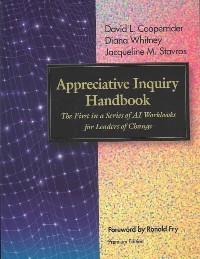
The Appreciate Inquiry Handbook contains everything needed to launch any kind of AI initiative, from a one-hour introduction to AI to a complete two-day program. Cooperrider, Whitney, and Stavros provide background information on what AI is and how it works, and offer sample project plans, designs, agendas, course outlines, interview guidelines, participant worksheets, a complete slide presentation, a list of resources and more. From abstract principles underlying AI to actual tools used in different settings, from detailed descriptions of AI interventions to practical tips to Classic AI articles, the authors have amassed in one place, in workbook form, all of the introductory concepts, examples and aids necessary to engage yourself and others in Appreciative Inquiry.
Benefits
? Offers a wealth of practical materials—project plans, interview guides, topic samples, case clippings, worksheets, and overhead transparencies.
? As an aid to presentation, most of the above materials are included on the accompanying CD—which also includes PowerPoint presentation slides and Classic articles.
? Authoritative: written by a co-founder of the Appreciative Inquiry change methodology, and two of its leading practitioners.
目录
Table Of Contents:
Introduction xviii
PART 1 Essential Elements of Appreciative Inquiry
The Theoretical Basis of Appreciative Inquiry
AI: A Brief Introduction 3(4)
Mini-lecture I: Five Principles of AI 7(3)
Mini-lecture II: Positive Image-Positive Action 10(3)
Mini-lecture III: Social Constructionism 13(2)
Mini-lecture IV: Beyond Problem Solving to AI 15(1)
Mini-lecture V: Vocabularies of Human Deficit 16(2)
Mini-lecture VI: Toward a Theory of Affirmative Organization 18(1)
Mini-lecture VII: Assessing Organizational Inner Dialogue 19(2)
Mini-lecture VIII: History as Positive Possibility 21(8)
Appreciative Inquiry Process Overview 29(182)
The Positive Core 30(1)
Affirmative Topic Choice: A Fateful Act 31(3)
Who to Involve? 34(1)
The ABCs of Topic Choice: How to Do It 35(2)
Characteristics of Good Topics 37(1)
The Discovery Phase 38(1)
The Dream Phase 39(1)
The Design Phase 40(1)
The Destiny Phase 41(4)
Introducing, Defining and Planning an Appreciative Inquiry Initiative
Introducing AI 45(2)
Defining the Project Purpose, Process, and Plan 47(3)
Samples
Brief Introduction to AI: One-Hour Agenda 50(2)
Executive Overview to AI: Two-Hour Agenda 52(2)
Workplace Redesign Using AI: Four-Hour Agenda and Slides 54(13)
Values Project Using AI: Detail Project Plan 67(5)
Two-Day AI Workshop, Agenda, Project Roles, and Interview Guide 72(15)
PART 2 Application of the 4-D Cycle of Appreciative Inquiry
Discovery: What Gives Life?
Key Steps in Data Collection 87(13)
Identify Stakeholders 87(1)
Craft an Engaging Appreciative Question 88(1)
Develop the Appreciative Interview Guide 89(3)
Collect and Organize the Data 92(2)
Conduct the AI Interviews 94(3)
Sense-Making From Inquiry Data 97(3)
Case Clippings: Texas Insurance 100(13)
Dream: What Might Be?
Creating the Dream Activity 113(3)
Evolution of Dialogue to Create Vision Consensus 116(1)
Sample Dream Questions 116(1)
AI Summit: Using Large Groups to Mobilize Positive Change 117(3)
Case Clippings: Roadway Express 120(23)
Design: How Can It Be?
Social Architecture for Organizing 143(5)
Select Design Elements 143(1)
Identify Internal and External Relationships 144(1)
Identify Themes and Engage in Dialogue 145(1)
Write Provocative Propositions 146(2)
Criteria for Good Provocative Propositions 148(1)
Sample Provocative Propositions 149(2)
Case Clippings: Tendercare 151(26)
Destiny: What Will Be?
Rethinking Destiny 177(3)
Creating Appreciative Learning Cultures 180(1)
Destiny: An Improvisational Capacity 181(2)
Case Clippings: Hunter Douglas Window Fashions Division 183(28)
PART 3 Learning Applications and Resources
Sample Interview Guides, Summary Report and a Detailed Project Plan 211(50)
Master Set of AI Overheads for Use in Training 261(42)
AI Worksheets 303(98)
The AI Classics: Selected Articles
A Positive Revolution in Change Appreciative Inquiry 317(20)
Appreciative Inquiry in Organizational Life 337(32)
Positive Image, Positive Action: The Affirmative Basis of Organizing 369(22)
Resources for Getting AI Started: An Example OD Proposal 391(10)
References and Bibliography 401(16)
Glossary of Companies and Terms 417(6)
Index 423(6)
Statement of Appreciative Inquiry Consulting 429
Introduction xviii
PART 1 Essential Elements of Appreciative Inquiry
The Theoretical Basis of Appreciative Inquiry
AI: A Brief Introduction 3(4)
Mini-lecture I: Five Principles of AI 7(3)
Mini-lecture II: Positive Image-Positive Action 10(3)
Mini-lecture III: Social Constructionism 13(2)
Mini-lecture IV: Beyond Problem Solving to AI 15(1)
Mini-lecture V: Vocabularies of Human Deficit 16(2)
Mini-lecture VI: Toward a Theory of Affirmative Organization 18(1)
Mini-lecture VII: Assessing Organizational Inner Dialogue 19(2)
Mini-lecture VIII: History as Positive Possibility 21(8)
Appreciative Inquiry Process Overview 29(182)
The Positive Core 30(1)
Affirmative Topic Choice: A Fateful Act 31(3)
Who to Involve? 34(1)
The ABCs of Topic Choice: How to Do It 35(2)
Characteristics of Good Topics 37(1)
The Discovery Phase 38(1)
The Dream Phase 39(1)
The Design Phase 40(1)
The Destiny Phase 41(4)
Introducing, Defining and Planning an Appreciative Inquiry Initiative
Introducing AI 45(2)
Defining the Project Purpose, Process, and Plan 47(3)
Samples
Brief Introduction to AI: One-Hour Agenda 50(2)
Executive Overview to AI: Two-Hour Agenda 52(2)
Workplace Redesign Using AI: Four-Hour Agenda and Slides 54(13)
Values Project Using AI: Detail Project Plan 67(5)
Two-Day AI Workshop, Agenda, Project Roles, and Interview Guide 72(15)
PART 2 Application of the 4-D Cycle of Appreciative Inquiry
Discovery: What Gives Life?
Key Steps in Data Collection 87(13)
Identify Stakeholders 87(1)
Craft an Engaging Appreciative Question 88(1)
Develop the Appreciative Interview Guide 89(3)
Collect and Organize the Data 92(2)
Conduct the AI Interviews 94(3)
Sense-Making From Inquiry Data 97(3)
Case Clippings: Texas Insurance 100(13)
Dream: What Might Be?
Creating the Dream Activity 113(3)
Evolution of Dialogue to Create Vision Consensus 116(1)
Sample Dream Questions 116(1)
AI Summit: Using Large Groups to Mobilize Positive Change 117(3)
Case Clippings: Roadway Express 120(23)
Design: How Can It Be?
Social Architecture for Organizing 143(5)
Select Design Elements 143(1)
Identify Internal and External Relationships 144(1)
Identify Themes and Engage in Dialogue 145(1)
Write Provocative Propositions 146(2)
Criteria for Good Provocative Propositions 148(1)
Sample Provocative Propositions 149(2)
Case Clippings: Tendercare 151(26)
Destiny: What Will Be?
Rethinking Destiny 177(3)
Creating Appreciative Learning Cultures 180(1)
Destiny: An Improvisational Capacity 181(2)
Case Clippings: Hunter Douglas Window Fashions Division 183(28)
PART 3 Learning Applications and Resources
Sample Interview Guides, Summary Report and a Detailed Project Plan 211(50)
Master Set of AI Overheads for Use in Training 261(42)
AI Worksheets 303(98)
The AI Classics: Selected Articles
A Positive Revolution in Change Appreciative Inquiry 317(20)
Appreciative Inquiry in Organizational Life 337(32)
Positive Image, Positive Action: The Affirmative Basis of Organizing 369(22)
Resources for Getting AI Started: An Example OD Proposal 391(10)
References and Bibliography 401(16)
Glossary of Companies and Terms 417(6)
Index 423(6)
Statement of Appreciative Inquiry Consulting 429
- 名称
- 类型
- 大小
光盘服务联系方式: 020-38250260 客服QQ:4006604884
云图客服:
用户发送的提问,这种方式就需要有位在线客服来回答用户的问题,这种 就属于对话式的,问题是这种提问是否需要用户登录才能提问
Video Player
×
Audio Player
×
pdf Player
×
亲爱的云图用户,
光盘内的文件都可以直接点击浏览哦
无需下载,在线查阅资料!
