

简介
Summary:
Publisher Summary 1
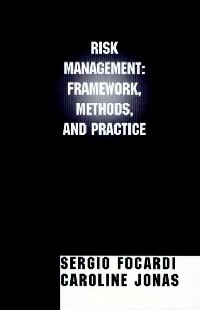
Risk management is one of the most critical areas in investment and finance-especially in today's volatile trading environment. With Risk Management: Framework, Methods, and Practice you'll learn about risk management across industries through firsthand, real life war stories rather than mathematical formulas. Concise and readable, it covers both the theoretical underpinnings of risk management, as well as practical techniques for coping with financial market volatility. Focardi and Jonas give you a broad conceptual view of risk management: how far we have progressed, and the problems that remain. Using vivid analogies, this book takes you through key risk measurement issues such as fat tails and extreme events, the pros and cons of VAR, and the different ways of modeling credit risk. This book is a rarity in that it does not presuppose any knowledge of sophisticated mathematical techniques, but rather interprets these in their intuitive sense.
目录
Table Of Contents:
About the Authors vi(1)
Preface vii(1)
Acknowledgements viii
1. Why Manage Risk? 1(12)
1.1 Introduction 1(4)
1.2 The Objectives of Risk Management 5(4)
1.3 Risk Management and Financial Innovation 9(3)
References 12(1)
2. The Theoretical Underpinnings of Risk Management 13(36)
2.1 Towards a Theory of Risk 13(2)
2.2 Finance Theory as the Framework for Risk Management 15(5)
2.3 The Assumption of Perfect Markets 20(2)
2.4 The No-Arbitrage Principle 22(3)
2.5 Factor Analysis and Economic Constraints 25(2)
2.6 The Theoretical Framework for Forecasting 27(4)
2.7 Data Mining 31(2)
2.8 Macroeconomic Modeling 33(2)
2.9 The Term Structure of Interest Rates 35(2)
2.10 Pricing Risk 37(3)
2.11 Simulation and Stress Analysis 40(3)
2.12 The Limits of Validity of Finance Theory 43(4)
References 47(2)
3. Measuring Risk 49(30)
3.1 The Risk Measurement Process 49(6)
3.2 Pricing and Risk Measurement 55(1)
3.3 Fat Tails and Extreme Events 56(5)
3.4 Single-Number Risk Measures and the Pitfalls 61(6)
3.5 Multidimensional Risk Measures 67(1)
3.6 Visualizing Results 68(2)
3.7 Integrating Risk Measures 70(2)
3.8 Numerical Methods 72(5)
References 77(2)
4. Credit Risk 79(16)
4.1 Modeling Credit Risk 79(2)
4.2 A Portfolio Approach to Credit Risk 81(4)
4.3 Pricing Derivatives Subject to Credit Risk 85(1)
4.4 Measuring and Pricing the Credit Risk of Listed Firms 86(1)
4.5 Pricing Loans to SMEs 87(1)
4.6 Challenges in Managing Credit Risk 88(2)
4.7 Creating a Market for Credit Risk 90(1)
4.8 Modeling Insurance Risk 91(1)
References 92(3)
5. Managing Risk 95(28)
5.1 The Risk Management Process 95(3)
5.2 The Time Horizon of Risk 98(2)
5.3 The Notion of Value 100(2)
5.4 The Risk-Return Relationship 102(2)
5.5 Determining the Risk Appetite 104(1)
5.6 Diversification, Hedging, and Portfolio Management 105(2)
5.7 Policies, Limits, and Capital Allocation 107(2)
5.8 ALM 109(3)
5.9 Global Optimization 112(3)
5.10 Aggregating Risks 115(1)
5.11 The Organization and Information Flows 116(2)
5.12 The Market for Risk 118(3)
References 121(2)
6. Issues 123(10)
6.1 Data 123(3)
6.2 Integrating Processes and Methodologies 126(1)
6.3 Clarity of Communication and Credibility 127(1)
6.4 The Skill Set 128(2)
6.5 Regulators 130(1)
6.6 Performance Measurement 130(3)
7. Looking Ahead 133(38)
7.1 The Challenges 133(2)
7.2 The Next Few Years 135(3)
7.3 Scientific Relativism and Theory Choice 138(3)
7.4 The Empirical Content of Economic Theories 141(2)
7.5 Testing Economic Theories 143(2)
7.6 Market Microstructure and Theory Reduction 145(4)
7.7 Models and Model Interpretation 149(2)
7.8 Self-Referentiality and Rational Expectations 151(5)
7.9 Backing Off Rational Expectations: Learning, Multiagent Systems, and Nonlinear Dynamics 156(6)
7.10 New Directions in Macroeconomic Modeling 162(2)
7.11 Managing Operations Risk 164(2)
7.12 Political and Social Risk 166(1)
7.13 Closing Remarks 166(2)
References 168(3)
Appendices 171(34)
A.2.1 The Stochastic Representation of the Economy 171(3)
A.2.2 Stochastic Calculus and Risk Neutralization 174(4)
A.2.3 The No-Arbitrage Principle 178(2)
A.2.4 Factor Analysis 180(4)
A.2.5 The Theory of Forecasting 184(5)
A.2.6 Data-Mining Techniques 189(3)
A.2.7 Term-Structure Models 192(4)
A.3.1 Simulation and Differential Equations 196(2)
A.5.1 Stochastic Optimization 198(2)
A.7.1 Market Microstructure Theory 200(3)
A.7.2 Statistical Mechanics 203(2)
Index 205
About the Authors vi(1)
Preface vii(1)
Acknowledgements viii
1. Why Manage Risk? 1(12)
1.1 Introduction 1(4)
1.2 The Objectives of Risk Management 5(4)
1.3 Risk Management and Financial Innovation 9(3)
References 12(1)
2. The Theoretical Underpinnings of Risk Management 13(36)
2.1 Towards a Theory of Risk 13(2)
2.2 Finance Theory as the Framework for Risk Management 15(5)
2.3 The Assumption of Perfect Markets 20(2)
2.4 The No-Arbitrage Principle 22(3)
2.5 Factor Analysis and Economic Constraints 25(2)
2.6 The Theoretical Framework for Forecasting 27(4)
2.7 Data Mining 31(2)
2.8 Macroeconomic Modeling 33(2)
2.9 The Term Structure of Interest Rates 35(2)
2.10 Pricing Risk 37(3)
2.11 Simulation and Stress Analysis 40(3)
2.12 The Limits of Validity of Finance Theory 43(4)
References 47(2)
3. Measuring Risk 49(30)
3.1 The Risk Measurement Process 49(6)
3.2 Pricing and Risk Measurement 55(1)
3.3 Fat Tails and Extreme Events 56(5)
3.4 Single-Number Risk Measures and the Pitfalls 61(6)
3.5 Multidimensional Risk Measures 67(1)
3.6 Visualizing Results 68(2)
3.7 Integrating Risk Measures 70(2)
3.8 Numerical Methods 72(5)
References 77(2)
4. Credit Risk 79(16)
4.1 Modeling Credit Risk 79(2)
4.2 A Portfolio Approach to Credit Risk 81(4)
4.3 Pricing Derivatives Subject to Credit Risk 85(1)
4.4 Measuring and Pricing the Credit Risk of Listed Firms 86(1)
4.5 Pricing Loans to SMEs 87(1)
4.6 Challenges in Managing Credit Risk 88(2)
4.7 Creating a Market for Credit Risk 90(1)
4.8 Modeling Insurance Risk 91(1)
References 92(3)
5. Managing Risk 95(28)
5.1 The Risk Management Process 95(3)
5.2 The Time Horizon of Risk 98(2)
5.3 The Notion of Value 100(2)
5.4 The Risk-Return Relationship 102(2)
5.5 Determining the Risk Appetite 104(1)
5.6 Diversification, Hedging, and Portfolio Management 105(2)
5.7 Policies, Limits, and Capital Allocation 107(2)
5.8 ALM 109(3)
5.9 Global Optimization 112(3)
5.10 Aggregating Risks 115(1)
5.11 The Organization and Information Flows 116(2)
5.12 The Market for Risk 118(3)
References 121(2)
6. Issues 123(10)
6.1 Data 123(3)
6.2 Integrating Processes and Methodologies 126(1)
6.3 Clarity of Communication and Credibility 127(1)
6.4 The Skill Set 128(2)
6.5 Regulators 130(1)
6.6 Performance Measurement 130(3)
7. Looking Ahead 133(38)
7.1 The Challenges 133(2)
7.2 The Next Few Years 135(3)
7.3 Scientific Relativism and Theory Choice 138(3)
7.4 The Empirical Content of Economic Theories 141(2)
7.5 Testing Economic Theories 143(2)
7.6 Market Microstructure and Theory Reduction 145(4)
7.7 Models and Model Interpretation 149(2)
7.8 Self-Referentiality and Rational Expectations 151(5)
7.9 Backing Off Rational Expectations: Learning, Multiagent Systems, and Nonlinear Dynamics 156(6)
7.10 New Directions in Macroeconomic Modeling 162(2)
7.11 Managing Operations Risk 164(2)
7.12 Political and Social Risk 166(1)
7.13 Closing Remarks 166(2)
References 168(3)
Appendices 171(34)
A.2.1 The Stochastic Representation of the Economy 171(3)
A.2.2 Stochastic Calculus and Risk Neutralization 174(4)
A.2.3 The No-Arbitrage Principle 178(2)
A.2.4 Factor Analysis 180(4)
A.2.5 The Theory of Forecasting 184(5)
A.2.6 Data-Mining Techniques 189(3)
A.2.7 Term-Structure Models 192(4)
A.3.1 Simulation and Differential Equations 196(2)
A.5.1 Stochastic Optimization 198(2)
A.7.1 Market Microstructure Theory 200(3)
A.7.2 Statistical Mechanics 203(2)
Index 205
- 名称
- 类型
- 大小
光盘服务联系方式: 020-38250260 客服QQ:4006604884
云图客服:
用户发送的提问,这种方式就需要有位在线客服来回答用户的问题,这种 就属于对话式的,问题是这种提问是否需要用户登录才能提问
Video Player
×
Audio Player
×
pdf Player
×
