

简介
Book Description
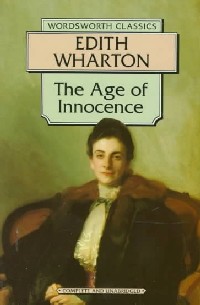
Wordsworth Classics covers a huge list of beloved works of literature in English and translations. This growing series is rigorously updated, with scholarly introductions and notes added to new titles.
"The Age of Innocence" is a satirical and sometimes dark comedy of manners which explores the "eternal triangle" of love, against the backdrop of upper-class New York society in the 1870s.
Amazon.com
Somewhere in this book, Wharton observes that clever liars always come up with good stories to back up their fabrications, but that really clever liars don't bother to explain anything at all. This is the kind of insight that makes The Age of Innocence so indispensable. Wharton's story of the upper classes of Old New York, and Newland Archer's impossible love for the disgraced Countess Olenska, is a perfectly wrought book about an era when upper-class culture in this country was still a mixture of American and European extracts, and when "society" had rules as rigid as any in history.
From AudioFile
Welcome to the New York of the 1870's, where everyone in the upper crust fits into the mold or is ostracized for nonconformity. In spite of having married the socially suitable May, Weland Archer wishes to be unconventional and sees the Countess Olenska as a role model at the same time that he falls in love with her. Wanda McCaddon is a perfect narrator for this book. Her voice is as cold and sharp as the society she reads about. Through her intonation and phrasing, a stifling Victorian mask drops over each character. As Wharton describes a society long ago, McCaddon brings it to life in a dry, droll, appropriately uncaptivating manner. M.B.K.
The Merriam-Webster Encyclopedia of Literature
Novel by Edith Wharton, published in 1920. The work presents a picture of upper-class New York society in the late 19th century. The story is presented as a kind of anthropological study of this society through references to the families and their activities as tribal. In the story Newland Archer, though engaged to May Welland, a beautiful and proper fellow member of elite society, is attracted to Ellen Olenska, a former member of their circle who has been living in Europe but who has left her husband under mysterious circumstances and returned to her family's New York milieu. May prevails by subtly adhering to the conventions of that world. The novel was awarded a Pulitzer Prize.
Book Dimension :
length: (cm)19.8 width:(cm)12.6
目录
About This Series p. ix
Introduction p. 1
A Note on the Text p. 10
Part 1 The Age of Innocence p. 11
Part 2 Background Readings p. 287
Questions of Culture p. 289
From "The Metropolitan Gentry: Culture against Politics" Thomas Bender p. 289
From "The Genteel Tradition in American Philosophy" George Santayana p. 294
From "Democratic Vistas" Walt Whitman p. 300
From "Merchants and Masterpieces: The Story of the Metropolitan Museum of Art" Calvin Tomkins p. 303
"The Location and Decoration of Houses in The Age of Innocence" Ada Van Gastel p. 318
From How the Other Half Lives Jacob A. Rhs p. 332
Marriage and Divorce p. 338
From Domestic Revolutions Steven Mintz and Susan Kellogg p. 338
From "For the Wedding Night" J. Foote Bingham p. 345
Travel and Sport p. 348
From the Introduction to American Travel Writers, 1850-1915 Donald Ross and James J. Schramer p. 349
From "Americans Abroad" Henry James p. 355
From "Newport" Henry James p. 357
From "The Lawn Set" William J. Baker p. 359
Anthropology p. 364
From Violence and the Sacred Rene Girard p. 364
From Primitive Culture Edward B. Tylor p. 366
Part 3 Other Writings Edith Wharton p. 369
Writing The Age of Innocence p. 371
The Ways of Old New York p. 372
The Childishness of American Women p. 378
"The Valley of Childish Things" p. 380
Winning the Pulitizer Prize p. 381
Part 4 Critical Readings p. 385
From "The Composition of Edith Wharton's The Age of Innocence" Alan Price p. 387
From "Cool Diana and the Blood-Red Muse: Edith Wharton on Innocence and Art" Elizabeth Ammons p. 393
From "Becoming the Mask: Edith Wharton's Ingenues" Judith P. Saunders p. 404
From "Angel of Devastation: Edith Wharton on the Arts of the Enslaved" Sandra M. Gilbert and Susan Gubar p. 408
From "The Age of Innocence and the Bohemian Peril" Katherine Joslin p. 411
From "Edith Wharton: The Archeological Motive" James W. Tuttleton p. 414
From "'Hunting for the Real': Wharton and the Science of Manners" Nancy Bentley p. 418
From "A Note on Wharton's Use of Faust" Linda W. Wagner p. 430
From "The Mind in Chains: Public Plots and Personal Fables" Gary H. Lindberg p. 432
From "American Naturalism in Its 'Perfected' State: The Age of Innocence and An American Tragedy" Donald Pizer p. 434
From "The Scorses Interview: On Filming The Age of Innocence" Ian Christie p. 441
"Of Writers and Class: In Praise of Edith Wharton" Gore Vidal p. 448
Works Cited p. 454
For Further Reading p. 455
Introduction p. 1
A Note on the Text p. 10
Part 1 The Age of Innocence p. 11
Part 2 Background Readings p. 287
Questions of Culture p. 289
From "The Metropolitan Gentry: Culture against Politics" Thomas Bender p. 289
From "The Genteel Tradition in American Philosophy" George Santayana p. 294
From "Democratic Vistas" Walt Whitman p. 300
From "Merchants and Masterpieces: The Story of the Metropolitan Museum of Art" Calvin Tomkins p. 303
"The Location and Decoration of Houses in The Age of Innocence" Ada Van Gastel p. 318
From How the Other Half Lives Jacob A. Rhs p. 332
Marriage and Divorce p. 338
From Domestic Revolutions Steven Mintz and Susan Kellogg p. 338
From "For the Wedding Night" J. Foote Bingham p. 345
Travel and Sport p. 348
From the Introduction to American Travel Writers, 1850-1915 Donald Ross and James J. Schramer p. 349
From "Americans Abroad" Henry James p. 355
From "Newport" Henry James p. 357
From "The Lawn Set" William J. Baker p. 359
Anthropology p. 364
From Violence and the Sacred Rene Girard p. 364
From Primitive Culture Edward B. Tylor p. 366
Part 3 Other Writings Edith Wharton p. 369
Writing The Age of Innocence p. 371
The Ways of Old New York p. 372
The Childishness of American Women p. 378
"The Valley of Childish Things" p. 380
Winning the Pulitizer Prize p. 381
Part 4 Critical Readings p. 385
From "The Composition of Edith Wharton's The Age of Innocence" Alan Price p. 387
From "Cool Diana and the Blood-Red Muse: Edith Wharton on Innocence and Art" Elizabeth Ammons p. 393
From "Becoming the Mask: Edith Wharton's Ingenues" Judith P. Saunders p. 404
From "Angel of Devastation: Edith Wharton on the Arts of the Enslaved" Sandra M. Gilbert and Susan Gubar p. 408
From "The Age of Innocence and the Bohemian Peril" Katherine Joslin p. 411
From "Edith Wharton: The Archeological Motive" James W. Tuttleton p. 414
From "'Hunting for the Real': Wharton and the Science of Manners" Nancy Bentley p. 418
From "A Note on Wharton's Use of Faust" Linda W. Wagner p. 430
From "The Mind in Chains: Public Plots and Personal Fables" Gary H. Lindberg p. 432
From "American Naturalism in Its 'Perfected' State: The Age of Innocence and An American Tragedy" Donald Pizer p. 434
From "The Scorses Interview: On Filming The Age of Innocence" Ian Christie p. 441
"Of Writers and Class: In Praise of Edith Wharton" Gore Vidal p. 448
Works Cited p. 454
For Further Reading p. 455
- 名称
- 类型
- 大小
光盘服务联系方式: 020-38250260 客服QQ:4006604884
云图客服:
用户发送的提问,这种方式就需要有位在线客服来回答用户的问题,这种 就属于对话式的,问题是这种提问是否需要用户登录才能提问
Video Player
×
Audio Player
×
pdf Player
×
