

简介
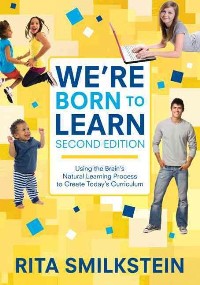
"This updated book on the brain鈥檚 natural learning process offers practical methods for teaching all students to take responsibility for their own success"-- Provided by publisher.
"In this updated edition of the extraordinary book that linked brain research and the classroom, Smilkstein incorporates all-new research on brain-compatible teaching and the implications of the brain鈥檚 natural learning process for how teachers can design and deliver effective lesson plans and curriculum. The author鈥檚 unique research with almost 7,000 students and educators reveals how people experience their own natural learning. In this book Smilkstein breaks down the physiological as well as the emotional development of learning into practitioner-friendly terms well-grounded in research, with special emphasis in this revised edition upon the use of technology in schools; strategies to reach gifted students as well as those who are diagnosed with ADD, ADHD, and autism spectrum disorders; and upon the 7 magic words--"see if you can figure this out"--that lie at the heart of curriculum development to engage all learners"-- Provided by publisher.
目录
Table Of Contents:
Foreword ix
James H. Berry
Preface to the New Edition xi
Acknowledgments xiii
About the Author xvii
Introduction 1(8)
What This Book Is About 1(1)
Why Study the Brain? 2(1)
Experienced Educators and the Research 3(1)
The Learning Paradigm 3(1)
Assumptions 3(2)
Where We Have Been 5(1)
Where We Are Today 6(1)
This Book 7(2)
PART I RESEARCH IN THE CLASSROOM AND IN THE BRAIN LAB 9(114)
Chapter 1 Learning and Teaching 11(12)
Eye-Opening Experiences in the Classroom 11(8)
The Natural Human Learning Process and Brain Research 19(1)
The Breakthrough Classroom 20(1)
The Research-Based Stages, Curriculum, and Lesson Plans 21(2)
Chapter 2 How People Learn: The Natural Human Learning Process (NHLP): The Missing Link: The Breakthrough 23(24)
Critical and Creative Thinking by Infants and Children 23(3)
An Example of Children's Critical and Creative Thinking 26(1)
Critical and Creative Thinking in School 27(2)
The Natural Human Learning Process and School 29(3)
Natural Human Learning Process (NHLP) Research 32(6)
Research Reports 38(7)
The Importance of Making Mistakes 45(1)
Where We Go From Here 46(1)
Chapter 3 How the Brain Learns: The Brain's Natural Learning Process 47(34)
Introducing the Brain 48(1)
Getting to Know the Brain 49(2)
How the Brain Learns 51(5)
Convergence of Ceiling Levels and Neural Networks 56(1)
Pruning 56(2)
Experience and Brain Growth 58(3)
Constructivism 61(6)
How the Brain Thinks and Remembers 67(2)
The Brain's Innate Resources and Rules 69(3)
Children's Brains and Adults' Brains 72(2)
The Brain Grows Holistically and With Plasticity 74(1)
Implications for Curriculum Development 75(1)
Neural Networks and Grading: Not Judging a Book by Its Cover 76(1)
What About Piaget? 77(2)
The Breakthrough Theory of Learning 79(2)
Chapter 4 Personal Experience, Individual Differences, and Learning 81(22)
Emotions and the Brain 81(2)
Negative and Positive Self-Image Networks 83(3)
Learning From Experience 86(2)
Learning Styles, Preferences, and Multiple Intelligences 88(3)
Gifted Students 91(2)
Special Needs, Learning Differences, Autism, ADD, and ADHD 93(3)
The Seven Magic Words: See If You Can Figure This Out 96(1)
Tests 97(3)
Developing the Potential of Every Student 100(1)
Beyond Individual Differences 101(1)
A Handout for Students 101(2)
Chapter 5 The Student's Experience: Metacognition, Motivation, Self-Evaluation, Achievement, and Technology Self-Taught 103(20)
Metacognition and Motivation 103(3)
Intrinsic Rewards 106(2)
Removing the Barriers 108(1)
Self-Evaluation and Metacognition 108(4)
Another Metacognitive Experience 112(2)
Achievement 114(1)
Writing Samples 114(3)
Age and Achievement 117(1)
Technology Self-Taught 118(5)
PART II THEORY AND APPLICATION 123(56)
Chapter 6 Sequencing of the Curriculum 125(26)
Challenges 125(1)
The Missing Link 126(2)
Converging Research 128(3)
The Theory and Guide 131(3)
Planning the Sequence of Units or Topics in a Curriculum 134(2)
Learning Activities for Units and Topics 136(2)
Students and the NHLP 138(5)
Developing a Curriculum 143(3)
Young Students Thinking at a High Level 146(1)
The NHLP in the Classroom 147(4)
Chapter 7 The Pedagogical Model and Guidelines 151(28)
Transfer 151(5)
Four Effective Instructional Practices 156(1)
NHLP Pedagogical Guidelines 157(6)
NHLP Unit Curriculum for Teaching Students How to Write a Narrative Essay 163(5)
Assessment 168(5)
Education Courses or Faculty Development Programs 173(4)
Good News 177(2)
PART III USING THE BRAIN'S NATURAL LEARNING PROCESS TO CREATE CURRICULA 179(54)
Chapter 8 Brain-Based, Natural Learning Across the Curriculum 181(24)
The Seven Magic Words in Action 181(4)
Safety 185(1)
Respect 185(1)
The Opportunity to Learn Naturally 186(1)
The Critical First Stages 187(1)
The Introduction-to-Poetry Unit 187(7)
Front Loading 194(1)
A Science Learning Activity About the Concept of Buoyancy 195(2)
A Unit for Library Orientation 197(2)
A Unit for Introduction to Safety Procedures 199(2)
A Science Learning Activity About Water 201(1)
A Unit for Learning How to Take Lecture Notes 202(1)
The NHLP Planning Guidelines and Pedagogy 203(2)
Chapter 9 Curriculum Development for Units, Courses, and Programs 205(28)
Where to Start 206(1)
Curriculum Development Guidelines 207(1)
A Unit on Literal and Inferential Meaning 208(3)
A Unit on an Introduction to Egypt 211(2)
A Unit on an Introduction to Fractions 213(2)
A Basic Grammar Curriculum: A Sequence of Units for a Whole Course 215(6)
A Learning Community Curriculum for a Whole Course 221(8)
A Developmental English Curriculum: Courses in a Program 229(2)
Final Words 231(2)
References 233(6)
General Bibliography 239(2)
Index 241
Foreword ix
James H. Berry
Preface to the New Edition xi
Acknowledgments xiii
About the Author xvii
Introduction 1(8)
What This Book Is About 1(1)
Why Study the Brain? 2(1)
Experienced Educators and the Research 3(1)
The Learning Paradigm 3(1)
Assumptions 3(2)
Where We Have Been 5(1)
Where We Are Today 6(1)
This Book 7(2)
PART I RESEARCH IN THE CLASSROOM AND IN THE BRAIN LAB 9(114)
Chapter 1 Learning and Teaching 11(12)
Eye-Opening Experiences in the Classroom 11(8)
The Natural Human Learning Process and Brain Research 19(1)
The Breakthrough Classroom 20(1)
The Research-Based Stages, Curriculum, and Lesson Plans 21(2)
Chapter 2 How People Learn: The Natural Human Learning Process (NHLP): The Missing Link: The Breakthrough 23(24)
Critical and Creative Thinking by Infants and Children 23(3)
An Example of Children's Critical and Creative Thinking 26(1)
Critical and Creative Thinking in School 27(2)
The Natural Human Learning Process and School 29(3)
Natural Human Learning Process (NHLP) Research 32(6)
Research Reports 38(7)
The Importance of Making Mistakes 45(1)
Where We Go From Here 46(1)
Chapter 3 How the Brain Learns: The Brain's Natural Learning Process 47(34)
Introducing the Brain 48(1)
Getting to Know the Brain 49(2)
How the Brain Learns 51(5)
Convergence of Ceiling Levels and Neural Networks 56(1)
Pruning 56(2)
Experience and Brain Growth 58(3)
Constructivism 61(6)
How the Brain Thinks and Remembers 67(2)
The Brain's Innate Resources and Rules 69(3)
Children's Brains and Adults' Brains 72(2)
The Brain Grows Holistically and With Plasticity 74(1)
Implications for Curriculum Development 75(1)
Neural Networks and Grading: Not Judging a Book by Its Cover 76(1)
What About Piaget? 77(2)
The Breakthrough Theory of Learning 79(2)
Chapter 4 Personal Experience, Individual Differences, and Learning 81(22)
Emotions and the Brain 81(2)
Negative and Positive Self-Image Networks 83(3)
Learning From Experience 86(2)
Learning Styles, Preferences, and Multiple Intelligences 88(3)
Gifted Students 91(2)
Special Needs, Learning Differences, Autism, ADD, and ADHD 93(3)
The Seven Magic Words: See If You Can Figure This Out 96(1)
Tests 97(3)
Developing the Potential of Every Student 100(1)
Beyond Individual Differences 101(1)
A Handout for Students 101(2)
Chapter 5 The Student's Experience: Metacognition, Motivation, Self-Evaluation, Achievement, and Technology Self-Taught 103(20)
Metacognition and Motivation 103(3)
Intrinsic Rewards 106(2)
Removing the Barriers 108(1)
Self-Evaluation and Metacognition 108(4)
Another Metacognitive Experience 112(2)
Achievement 114(1)
Writing Samples 114(3)
Age and Achievement 117(1)
Technology Self-Taught 118(5)
PART II THEORY AND APPLICATION 123(56)
Chapter 6 Sequencing of the Curriculum 125(26)
Challenges 125(1)
The Missing Link 126(2)
Converging Research 128(3)
The Theory and Guide 131(3)
Planning the Sequence of Units or Topics in a Curriculum 134(2)
Learning Activities for Units and Topics 136(2)
Students and the NHLP 138(5)
Developing a Curriculum 143(3)
Young Students Thinking at a High Level 146(1)
The NHLP in the Classroom 147(4)
Chapter 7 The Pedagogical Model and Guidelines 151(28)
Transfer 151(5)
Four Effective Instructional Practices 156(1)
NHLP Pedagogical Guidelines 157(6)
NHLP Unit Curriculum for Teaching Students How to Write a Narrative Essay 163(5)
Assessment 168(5)
Education Courses or Faculty Development Programs 173(4)
Good News 177(2)
PART III USING THE BRAIN'S NATURAL LEARNING PROCESS TO CREATE CURRICULA 179(54)
Chapter 8 Brain-Based, Natural Learning Across the Curriculum 181(24)
The Seven Magic Words in Action 181(4)
Safety 185(1)
Respect 185(1)
The Opportunity to Learn Naturally 186(1)
The Critical First Stages 187(1)
The Introduction-to-Poetry Unit 187(7)
Front Loading 194(1)
A Science Learning Activity About the Concept of Buoyancy 195(2)
A Unit for Library Orientation 197(2)
A Unit for Introduction to Safety Procedures 199(2)
A Science Learning Activity About Water 201(1)
A Unit for Learning How to Take Lecture Notes 202(1)
The NHLP Planning Guidelines and Pedagogy 203(2)
Chapter 9 Curriculum Development for Units, Courses, and Programs 205(28)
Where to Start 206(1)
Curriculum Development Guidelines 207(1)
A Unit on Literal and Inferential Meaning 208(3)
A Unit on an Introduction to Egypt 211(2)
A Unit on an Introduction to Fractions 213(2)
A Basic Grammar Curriculum: A Sequence of Units for a Whole Course 215(6)
A Learning Community Curriculum for a Whole Course 221(8)
A Developmental English Curriculum: Courses in a Program 229(2)
Final Words 231(2)
References 233(6)
General Bibliography 239(2)
Index 241
- 名称
- 类型
- 大小
光盘服务联系方式: 020-38250260 客服QQ:4006604884
云图客服:
用户发送的提问,这种方式就需要有位在线客服来回答用户的问题,这种 就属于对话式的,问题是这种提问是否需要用户登录才能提问
Video Player
×
Audio Player
×
pdf Player
×
