

简介
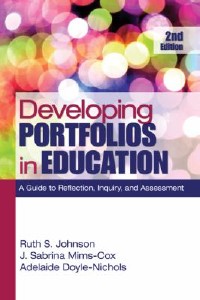
Johnson, Mims-Cox, and Doyle-Nichols (all California State U., Los Angeles) present an updated resource text for preservice and professional educators and teachers, administrators, and counselors who will be developing portfolios; it is also suitable as a teaching tool for instructors. The text is organized into sections on the rational for requiring portfolios, a guide for developing portfolios, and continuing the portfolio experience for ongoing professional development. Revised throughout, the second edition includes a new chapter on action research, expanded coverage of assessment, additional practical material on structured reflection, new material on building a rubric and developing a portfolio, more specific directions on developing a good teacher resume, and new material on electronic and online portfolios. The accompanying CD-ROM contains PowerPoint presentations, Web resources, hyperlinks, portfolio models and templates, implementation guidelines, additional exercises, and research information. Annotation 漏2009 Book News, Inc., Portland, OR (booknews.com)
目录
CD Contents
Preface
Acknowledgments
The Rationale for Requiring Portfolios
Why Develop the Portfolio?
Chapter Objectives
Scenario
Overview
What Is a Portfolio?
Purposes for Portfolios
Using Portfolios for Assessment and Evaluation
Benefits of Portfolios
Challenges in Portfolio Development
Summary
Portfolio Development as Action Research
Chapter Objectives
Scenario
Overview
Defining Action Research and Inquiry
Action Research as a Viable Process for Portfolio Development
Matching Purpose With Audience in Action Research: Who Benefits?
The Cyclical Nature of Action Research and Portfolio Development
Levels of Action Research in Portfolio Development
Summary
Useful Resources
For Further Reading
Using Portfolios as Tools for Authentic Assessment and Evaluation
Chapter Objectives
Scenario
Overview
Defining Assessment and Evaluation
Portfolios as Authentic Assessment: A Definition
Assessment Options: Measuring Learning Targets and Outcomes
Benefits of Portfolios as Authentic Assessment
Challenges of Portfolios as Authentic Assessments
Portfolios as Formative (Developmental Process) Assessments
Portfolios as Summative (Final Product) Evaluations
Precautions and Recommendations for Effective Practice in Portfolio Evaluation
Rubrics for Portfolio Assessment
Summary
Useful Resources
For Further Reading
Reflective Inquiry: A Tool for Giving Voice to the Portfolio
Chapter Objectives
Scenario
Overview
Reflective Inquiry: Providing a Global, Bird's Eye View of the Portfolio
Enhancing Learning Through Structured Reflections
Reflections as an Essential Component of Action Research
Four Types of Portfolio Reflections
Reflections as Glue: Bonding the Portfolio to a Purpose
Ten Major Ways Reflections Transform Artifacts Into Evidence
The Multifaceted, Cyclical Nature of Portfolio Reflection
Scheduling Reflections in the Portfolio Process
Levels of Reflection in the Portfolio Process: A Sample Rubric
Outcomes and Benefits of Reflection and Reflective Inquiry
Summary
Useful Resources
For Further Reading
A Guide for Developing Portfolios
Your Portfolio Journey: Ten Steps for Organizing, Managing, and Completing the Process
Chapter Objectives
Scenario
Overview
The Major Phases of Portfolio Organization
Project a Purpose and Have a Vision for the Portfolio: Begin With the End in Mind
Build a Comprehensive Portfolio or Personal Archive
Select a Specific Portfolio Purpose With Learning Targets or Standards and Identify Artifacts That Match That Purpose
Reflect on the Value and Role of Each Artifact and Add Reflections to Communicate Its Purpose
Inspect Artifacts to Self-Assess or Ensure That They Provide the Strongest Evidence of Competencies and Project Future Goals
Connect With Others to Present the Portfolio for Assessment and Evaluation
Manage Issues of Time, Space, Collaboration, and Purpose
Address Potential Pitfalls by Integrating Time Lines and Scoring Into the Portfolio Process
Set Time Lines and Benchmarks at Regular Intervals
Practice Scoring the Portfolio
General Portfolio Scoring Procedure
Summary
Useful Resources
For Further Reading
Contents of the Portfolio
Chapter Objectives
Scenario
Overview
Portfolio Cover Page or Title Page
Portfolio Table of Contents
Introduction or Executive Summary for the Portfolio
The Vision Statement
The Philosophy Statement
Candidate Documents
Standards and Artifacts
Categorizing and Cross-Referencing Artifacts
Reflections and Reflective Statements
Summary
Useful Resources
For Further Reading
Presenting and sharing the Portfolio
Chapter Objectives
Scenario
Overview
Tips for Preparing Your Presentation
Tips for Scheduling the Presentation
Presentation Formats
Scoring the Presentation
Summary
For Further Reading
An Overview of Electronic Portfolios: Exploring the Options
Chapter Objectives
Scenario
Overview
Four Options for Creating an Electronic Portfolio
Technology Terms Used in Chapter
Benefits of Electronic Portfolios
When, Where, and How to Use Electronic Portfolios
Options for Presenting Electronic Portfolios: CD- or Web-Based
Privacy and Security: A Word of Caution...
Storage Options
Where Do I Store My Electronic Portfolio While I Am Working on It?
Summary
Useful Resources
For Further Reading
Creating Electronic Portfolios
Chapter Objectives
Scenario
Overview
Creating an Electronic Portfolio
Getting Started - Naming Files
Organizing Files
Handling Nondigital Artifacts
Creating the Opening Page and Table of Contents in Word
Word or HTML - Which One Is Right for Me?
Converting Word Files to HTML
Creating Links in Word
Linking With the Table of Contents
Save Your Changes
Test the Links
Creating an Electronic Portfolio Using PowerPoint
Converting PowerPoint to HTML
Creating Links in PowerPoint
Summary
Useful Resources
For Further Reading
The Future of Your Portfolio
After the Credential Program, Now What? : Keeping the Portfolio Alive
Chapter Objectives
Scenario
Overview
The Portfolio as a Reflective Companion for Ongoing Assessment
Ongoing Assessments and Reflective Inquiry
Academic and Career Advancement
Self-Assessment and Reflection: What Patterns of Strengths or Gaps Exist?
Selecting Contents for the Different Portfolio Purposes
Preparing Hiring or Interview Portfolios
Portfolio Presentation for Career and Educational Advancement
Summary
Useful Resources
For Further Reading
Glossary
References
Index
About the Authors
Preface
Acknowledgments
The Rationale for Requiring Portfolios
Why Develop the Portfolio?
Chapter Objectives
Scenario
Overview
What Is a Portfolio?
Purposes for Portfolios
Using Portfolios for Assessment and Evaluation
Benefits of Portfolios
Challenges in Portfolio Development
Summary
Portfolio Development as Action Research
Chapter Objectives
Scenario
Overview
Defining Action Research and Inquiry
Action Research as a Viable Process for Portfolio Development
Matching Purpose With Audience in Action Research: Who Benefits?
The Cyclical Nature of Action Research and Portfolio Development
Levels of Action Research in Portfolio Development
Summary
Useful Resources
For Further Reading
Using Portfolios as Tools for Authentic Assessment and Evaluation
Chapter Objectives
Scenario
Overview
Defining Assessment and Evaluation
Portfolios as Authentic Assessment: A Definition
Assessment Options: Measuring Learning Targets and Outcomes
Benefits of Portfolios as Authentic Assessment
Challenges of Portfolios as Authentic Assessments
Portfolios as Formative (Developmental Process) Assessments
Portfolios as Summative (Final Product) Evaluations
Precautions and Recommendations for Effective Practice in Portfolio Evaluation
Rubrics for Portfolio Assessment
Summary
Useful Resources
For Further Reading
Reflective Inquiry: A Tool for Giving Voice to the Portfolio
Chapter Objectives
Scenario
Overview
Reflective Inquiry: Providing a Global, Bird's Eye View of the Portfolio
Enhancing Learning Through Structured Reflections
Reflections as an Essential Component of Action Research
Four Types of Portfolio Reflections
Reflections as Glue: Bonding the Portfolio to a Purpose
Ten Major Ways Reflections Transform Artifacts Into Evidence
The Multifaceted, Cyclical Nature of Portfolio Reflection
Scheduling Reflections in the Portfolio Process
Levels of Reflection in the Portfolio Process: A Sample Rubric
Outcomes and Benefits of Reflection and Reflective Inquiry
Summary
Useful Resources
For Further Reading
A Guide for Developing Portfolios
Your Portfolio Journey: Ten Steps for Organizing, Managing, and Completing the Process
Chapter Objectives
Scenario
Overview
The Major Phases of Portfolio Organization
Project a Purpose and Have a Vision for the Portfolio: Begin With the End in Mind
Build a Comprehensive Portfolio or Personal Archive
Select a Specific Portfolio Purpose With Learning Targets or Standards and Identify Artifacts That Match That Purpose
Reflect on the Value and Role of Each Artifact and Add Reflections to Communicate Its Purpose
Inspect Artifacts to Self-Assess or Ensure That They Provide the Strongest Evidence of Competencies and Project Future Goals
Connect With Others to Present the Portfolio for Assessment and Evaluation
Manage Issues of Time, Space, Collaboration, and Purpose
Address Potential Pitfalls by Integrating Time Lines and Scoring Into the Portfolio Process
Set Time Lines and Benchmarks at Regular Intervals
Practice Scoring the Portfolio
General Portfolio Scoring Procedure
Summary
Useful Resources
For Further Reading
Contents of the Portfolio
Chapter Objectives
Scenario
Overview
Portfolio Cover Page or Title Page
Portfolio Table of Contents
Introduction or Executive Summary for the Portfolio
The Vision Statement
The Philosophy Statement
Candidate Documents
Standards and Artifacts
Categorizing and Cross-Referencing Artifacts
Reflections and Reflective Statements
Summary
Useful Resources
For Further Reading
Presenting and sharing the Portfolio
Chapter Objectives
Scenario
Overview
Tips for Preparing Your Presentation
Tips for Scheduling the Presentation
Presentation Formats
Scoring the Presentation
Summary
For Further Reading
An Overview of Electronic Portfolios: Exploring the Options
Chapter Objectives
Scenario
Overview
Four Options for Creating an Electronic Portfolio
Technology Terms Used in Chapter
Benefits of Electronic Portfolios
When, Where, and How to Use Electronic Portfolios
Options for Presenting Electronic Portfolios: CD- or Web-Based
Privacy and Security: A Word of Caution...
Storage Options
Where Do I Store My Electronic Portfolio While I Am Working on It?
Summary
Useful Resources
For Further Reading
Creating Electronic Portfolios
Chapter Objectives
Scenario
Overview
Creating an Electronic Portfolio
Getting Started - Naming Files
Organizing Files
Handling Nondigital Artifacts
Creating the Opening Page and Table of Contents in Word
Word or HTML - Which One Is Right for Me?
Converting Word Files to HTML
Creating Links in Word
Linking With the Table of Contents
Save Your Changes
Test the Links
Creating an Electronic Portfolio Using PowerPoint
Converting PowerPoint to HTML
Creating Links in PowerPoint
Summary
Useful Resources
For Further Reading
The Future of Your Portfolio
After the Credential Program, Now What? : Keeping the Portfolio Alive
Chapter Objectives
Scenario
Overview
The Portfolio as a Reflective Companion for Ongoing Assessment
Ongoing Assessments and Reflective Inquiry
Academic and Career Advancement
Self-Assessment and Reflection: What Patterns of Strengths or Gaps Exist?
Selecting Contents for the Different Portfolio Purposes
Preparing Hiring or Interview Portfolios
Portfolio Presentation for Career and Educational Advancement
Summary
Useful Resources
For Further Reading
Glossary
References
Index
About the Authors
- 名称
- 类型
- 大小
光盘服务联系方式: 020-38250260 客服QQ:4006604884
云图客服:
用户发送的提问,这种方式就需要有位在线客服来回答用户的问题,这种 就属于对话式的,问题是这种提问是否需要用户登录才能提问
Video Player
×
Audio Player
×
pdf Player
×
