

简介
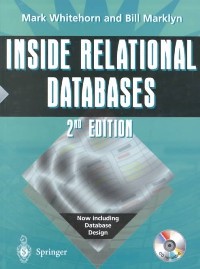
The second edition of the best-selling Inside Relational Databases is revised and updated to bring you the most reader-friendly explanation of the relational model and its importance to database designers and builders.Clear explanations make use of examples rather than equations to show you how an understanding of the relational model can make your databases faster, more flexible and thoroughly fit for their purpose.Dr Mark Whitehorn has an extensive understanding of relational database theory and his popular and long running database column in the UK's "Personal Computer World" has already made database theory accessible to thousands.Bill Marklyn has an intimate knowledge of relational databases and was the Development Manager who oversaw the entire design of the first two major releases of Microsoft's highly successful database product, Access.Together they make a great team, illuminating a tricky subject with substance and style.Reviews from the first edition of Inside Relational Databases: "Quite simply - superb. By making relational databases understandable, Mark Whitehorn and Bill Marklyn have achieved far more than most. Making the subject interesting and entertaining as well puts these two authors firmly in a class of their own.""- Neil Fawcett, Group Technical Editor, VNU Business " "Publications""PCW and Amazon.co.uk contributor Mark Whitehorn is that rare combination - an expert in his field, databases, and a fine writer too, with a talent for honing a complex subject down to its essentials.""- Tamsin Todd, Computer and Internet Editor, Amazon.co.uk""Inside Relational Databases is excellent. It is clearly and concisely written and full of humorous asides which ease the reader through an otherwise weighty topic. Probably the most engaging technical book I have read.""- Paul McGowan "
目录
Table Of Contents:
Preface to the second edition xi
Introduction 1(10)
What is a database? 1(1)
Databases vs. DataBase Management Systems 2(1)
Relational DataBase Management Systems 2(2)
Why this book? 4(1)
Who Should read this book? 5(1)
Organization of the book 6(1)
Some ground rules 7(1)
We don't have problems... 8(1)
Copying file from the CD-ROM 8(1)
Acknowledgements 9(2)
Part 1
A simple, single-table database 11(146)
Introduction to Part 1 13(3)
Tables 13(1)
Forms 14(1)
Queries 14(1)
Reports 15(1)
Tables 16(18)
Rows and columns--records and fields 17(3)
Building a table 20(13)
Base tables--not defined here 33(1)
Forms 34(9)
Multiple forms per table 37(1)
Text boxes can be made read only 37(1)
Text boxes don't have to present data from just one field 38(2)
It isn't necessary for each field in a table to appear on the form 40(1)
Controlling data entry 40(1)
Use of forms can be controlled 40(1)
Forms can be Web Pages 41(1)
Summary 41(2)
Queries 43(9)
Queries usually find subsets of the data 43(1)
Queries, answer tables and base tables finally defined properly and closure mentioned briefly 44(5)
Summarizing data 49(1)
Other useful queries 49(1)
Graphical querying tools 50(1)
SQL and Views 50(2)
Reports 52(2)
Summary of Part 1 54(3)
Part 2
A multi-table, single-user database 57(2)
Introduction to Part 2 59(2)
Serious problems with single tables 61(5)
Redundant data 61(1)
Typographical errors 62(1)
Updating data 63(1)
Modifying data 63(1)
Summary 64(2)
Multiple tables cure serious problems 66(6)
Redundant data 68(3)
Typographical errors 71(1)
Updating data 71(1)
Modifying data 71(1)
Making multiple tables work together 72(2)
Databases are designed to model the real world 73(1)
Getting the data into the correct tables 74(6)
Not normalization (and not ER modeling either) 76(1)
Object identification 77(3)
Relationships in the real world 80(3)
One-to-many 80(1)
One-to-one 81(1)
Many-to-many 81(1)
None 82(1)
Mapping real world relationships to tables 82(1)
How are relationships modeled? 83(28)
Primary keys 85(5)
Foreign keys 90(1)
Summary so far 91(1)
Joins 92(19)
Revisiting the big-four--the synergy begins 111(14)
Tables 114(1)
Queries (and a bit on forms) 115(7)
Forms 122(1)
Reports 123(2)
Integrity 125(17)
Data integrity--is it worth the effort? 125(1)
Types of data integrity error (and some cures) 126(12)
Other integrity issues 138(1)
Integrity--where should you set it? 138(2)
Declarative and procedural referential integrity 140(2)
Building a database application 142(12)
Building a database application 142(2)
GUIs, macros and control languages 144(8)
Other languages
SQL 152(2)
Summary of Part 2 154(1)
Part 3
Multi-table, multi-user databases 155(54)
Database architectures 157(13)
The seven layers of wisdom 157(3)
PC front end--data on file server 160(3)
Client-server (or two-tier) architecture 163(2)
Three-tier architecture (also known as multi-tier) 165(1)
Web-based applications 166(2)
Choosing a database architecture 168(1)
Summary 169(1)
More complex database design 170(16)
The User model 172(1)
The Logical Model 172(2)
The Physical model 174(1)
Logical and Physical models in practice 175(4)
Summary so far 179(1)
The final big advantage 179(2)
More about the differences between the logical and physical models 181(2)
Reality check 183(1)
Normalization can help 183(1)
Reverse engineering 184(1)
Methodologies 184(2)
Triggers, stored procedures and views 186(11)
Triggers 186(4)
Stored procedures 190(2)
Summary--triggers and stored procedures 192(1)
Views 193(4)
Transactions, logs, backup, locking and concurrency 197(12)
Transactions 197(1)
Rollback 198(3)
Roll forward 201(1)
Locations 202(1)
Backup strategy 202(2)
Locking 204(2)
Concurrency 206(1)
Row locking and page locking 206(1)
What comes next 207(1)
Answers from earlier 207(2)
Part 4
Related database topics 209(128)
What exactly is a relational database? 211(3)
Do multiple tables a relational database make? 211(1)
On names and misnames 212(2)
Codd's rules 214(14)
Why you just have to know about them 214(1)
Economy vs. readability 215(1)
A little background 215(1)
The rules themselves 215(11)
Summary 226(2)
Normalization 228(26)
Normalization 228(2)
Functional dependency 230(3)
First normal form (first level of normalization): 1NF 233(4)
Second normal form (second level of normalization): 2NF 237(4)
Third normal form (third level of normalization): 3NF 241(2)
Summary so far 243(1)
Why we aren't going any further 243(3)
Normalization doesn't automatically remove all redundancy 246(7)
Summary 253(1)
The data dictionary 254(2)
The data dictionary 254(2)
More on queries: data manipulation 256(13)
Relational operators 256(11)
Summary 267(2)
SQL 269(53)
SELECT and FROM 272(35)
INSERT 307(2)
UPDATE 309(3)
DELETE 312(2)
A question (and a free SQL diagnostic tool) 314(2)
Distinctly exact (or exactly DISTINCT) 316(5)
Summary 321(1)
Domains 322(2)
Indexing--speeding up your database 324(6)
What does null mean? 330(4)
Primary keys 334(3)
Glossary 337(2)
Index 339
Preface to the second edition xi
Introduction 1(10)
What is a database? 1(1)
Databases vs. DataBase Management Systems 2(1)
Relational DataBase Management Systems 2(2)
Why this book? 4(1)
Who Should read this book? 5(1)
Organization of the book 6(1)
Some ground rules 7(1)
We don't have problems... 8(1)
Copying file from the CD-ROM 8(1)
Acknowledgements 9(2)
Part 1
A simple, single-table database 11(146)
Introduction to Part 1 13(3)
Tables 13(1)
Forms 14(1)
Queries 14(1)
Reports 15(1)
Tables 16(18)
Rows and columns--records and fields 17(3)
Building a table 20(13)
Base tables--not defined here 33(1)
Forms 34(9)
Multiple forms per table 37(1)
Text boxes can be made read only 37(1)
Text boxes don't have to present data from just one field 38(2)
It isn't necessary for each field in a table to appear on the form 40(1)
Controlling data entry 40(1)
Use of forms can be controlled 40(1)
Forms can be Web Pages 41(1)
Summary 41(2)
Queries 43(9)
Queries usually find subsets of the data 43(1)
Queries, answer tables and base tables finally defined properly and closure mentioned briefly 44(5)
Summarizing data 49(1)
Other useful queries 49(1)
Graphical querying tools 50(1)
SQL and Views 50(2)
Reports 52(2)
Summary of Part 1 54(3)
Part 2
A multi-table, single-user database 57(2)
Introduction to Part 2 59(2)
Serious problems with single tables 61(5)
Redundant data 61(1)
Typographical errors 62(1)
Updating data 63(1)
Modifying data 63(1)
Summary 64(2)
Multiple tables cure serious problems 66(6)
Redundant data 68(3)
Typographical errors 71(1)
Updating data 71(1)
Modifying data 71(1)
Making multiple tables work together 72(2)
Databases are designed to model the real world 73(1)
Getting the data into the correct tables 74(6)
Not normalization (and not ER modeling either) 76(1)
Object identification 77(3)
Relationships in the real world 80(3)
One-to-many 80(1)
One-to-one 81(1)
Many-to-many 81(1)
None 82(1)
Mapping real world relationships to tables 82(1)
How are relationships modeled? 83(28)
Primary keys 85(5)
Foreign keys 90(1)
Summary so far 91(1)
Joins 92(19)
Revisiting the big-four--the synergy begins 111(14)
Tables 114(1)
Queries (and a bit on forms) 115(7)
Forms 122(1)
Reports 123(2)
Integrity 125(17)
Data integrity--is it worth the effort? 125(1)
Types of data integrity error (and some cures) 126(12)
Other integrity issues 138(1)
Integrity--where should you set it? 138(2)
Declarative and procedural referential integrity 140(2)
Building a database application 142(12)
Building a database application 142(2)
GUIs, macros and control languages 144(8)
Other languages
SQL 152(2)
Summary of Part 2 154(1)
Part 3
Multi-table, multi-user databases 155(54)
Database architectures 157(13)
The seven layers of wisdom 157(3)
PC front end--data on file server 160(3)
Client-server (or two-tier) architecture 163(2)
Three-tier architecture (also known as multi-tier) 165(1)
Web-based applications 166(2)
Choosing a database architecture 168(1)
Summary 169(1)
More complex database design 170(16)
The User model 172(1)
The Logical Model 172(2)
The Physical model 174(1)
Logical and Physical models in practice 175(4)
Summary so far 179(1)
The final big advantage 179(2)
More about the differences between the logical and physical models 181(2)
Reality check 183(1)
Normalization can help 183(1)
Reverse engineering 184(1)
Methodologies 184(2)
Triggers, stored procedures and views 186(11)
Triggers 186(4)
Stored procedures 190(2)
Summary--triggers and stored procedures 192(1)
Views 193(4)
Transactions, logs, backup, locking and concurrency 197(12)
Transactions 197(1)
Rollback 198(3)
Roll forward 201(1)
Locations 202(1)
Backup strategy 202(2)
Locking 204(2)
Concurrency 206(1)
Row locking and page locking 206(1)
What comes next 207(1)
Answers from earlier 207(2)
Part 4
Related database topics 209(128)
What exactly is a relational database? 211(3)
Do multiple tables a relational database make? 211(1)
On names and misnames 212(2)
Codd's rules 214(14)
Why you just have to know about them 214(1)
Economy vs. readability 215(1)
A little background 215(1)
The rules themselves 215(11)
Summary 226(2)
Normalization 228(26)
Normalization 228(2)
Functional dependency 230(3)
First normal form (first level of normalization): 1NF 233(4)
Second normal form (second level of normalization): 2NF 237(4)
Third normal form (third level of normalization): 3NF 241(2)
Summary so far 243(1)
Why we aren't going any further 243(3)
Normalization doesn't automatically remove all redundancy 246(7)
Summary 253(1)
The data dictionary 254(2)
The data dictionary 254(2)
More on queries: data manipulation 256(13)
Relational operators 256(11)
Summary 267(2)
SQL 269(53)
SELECT and FROM 272(35)
INSERT 307(2)
UPDATE 309(3)
DELETE 312(2)
A question (and a free SQL diagnostic tool) 314(2)
Distinctly exact (or exactly DISTINCT) 316(5)
Summary 321(1)
Domains 322(2)
Indexing--speeding up your database 324(6)
What does null mean? 330(4)
Primary keys 334(3)
Glossary 337(2)
Index 339
- 名称
- 类型
- 大小
光盘服务联系方式: 020-38250260 客服QQ:4006604884
云图客服:
用户发送的提问,这种方式就需要有位在线客服来回答用户的问题,这种 就属于对话式的,问题是这种提问是否需要用户登录才能提问
Video Player
×
Audio Player
×
pdf Player
×
