

简介
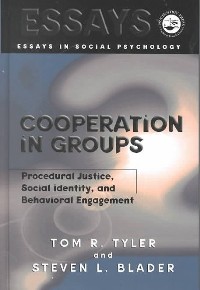
This important book explores the psychological motives that shape the extent and nature of people's cooperative behavior in the groups, organizations and societies to which they belong. Individuals may choose to expend a great deal of effort on promoting the goals and functioning of the group, they may take a passive role, or they may engage in behaviors targeted towards harming the group and its goals. Such decisions have important implications for the group's functioning and viability, and the goal of this book is to understand the factors that influence these choices. In so doing, the authors bring together two literatures: the study of rule-following behavior and the study of helping behavior, and show how both types of cooperative behavior are rooted in people's views about the justice of group procedures. The authors argue that people focus on procedural fairness because they use information about the fairness of group procedures to understand both the status of the group and their status within the group. These status judgments are important to people because they shape their self definitions and feelings of self worth. By understanding the motivations which underlie willingness to cooperate we can better explain why it is that people value group membership, and what groups mean to individuals. "Cooperation in Groups"book will be essential reading for students and researchers of group behavior in both social and organizational psychology. Given its discussion of the powerful factors that can build higher levels of organizational citizenship behavior, enhance organizational commitment, and decrease rule breaking and other negative actions, it will also be important reading for all kinds of group leaders including managers, officials and policy makers.
目录
Table Of Contents:
About the Authors vii
Acknowledgments ix
I. OVERVIEW
Introduction 1(16)
The Design of This Study 17(6)
II. THE ANTECEDENTS OF COOPERATIVE GROUP BEHAVIOR
Why Study Cooperative Behavior in Groups? 23(12)
Instrumental Motivations for Engaging in Cooperative Behavior 35(16)
Internally Driven Cooperative Behavior 51(18)
III. THE INFLUENCE OF JUSTICE: PROCEDURAL JUSTICE AND COOPERATION
The Influence of Justice-Based Judgments 69(8)
Procedural Justice and Cooperative Behavior 77(12)
IV. THE MEANING OF PROCEDURAL JUSTICE: THE FOUR-COMPONENT MODEL
Relational Models of Procedural Justice 89(14)
A Two-Component Model of Procedural Justice: Quality of Decision Making and Quality of Treatment 103(22)
Creating a Four-Component Model of Procedural Justice: Adding the Distinction Between Formal and Informal Sources of Justice 125(18)
V. SOCIAL IDENTITY AND COOPERATIVE BEHAVIOR: STATUS AND PSYCHOLOGICAL ENGAGEMENT
Social Identity and Cooperative Behavior 143(26)
Justice and Group Status: The Antecedents of Status Evaluations 169(10)
Psychological Engagement with the Group 179(10)
VI. CONCLUSION
Understanding Group Behavior from a Noninstrumental Perspective 189(12)
References 201(14)
Appendix: Employee Satisfaction Questionnaire 215(10)
Author Index 225(6)
Subject Index 231
About the Authors vii
Acknowledgments ix
I. OVERVIEW
Introduction 1(16)
The Design of This Study 17(6)
II. THE ANTECEDENTS OF COOPERATIVE GROUP BEHAVIOR
Why Study Cooperative Behavior in Groups? 23(12)
Instrumental Motivations for Engaging in Cooperative Behavior 35(16)
Internally Driven Cooperative Behavior 51(18)
III. THE INFLUENCE OF JUSTICE: PROCEDURAL JUSTICE AND COOPERATION
The Influence of Justice-Based Judgments 69(8)
Procedural Justice and Cooperative Behavior 77(12)
IV. THE MEANING OF PROCEDURAL JUSTICE: THE FOUR-COMPONENT MODEL
Relational Models of Procedural Justice 89(14)
A Two-Component Model of Procedural Justice: Quality of Decision Making and Quality of Treatment 103(22)
Creating a Four-Component Model of Procedural Justice: Adding the Distinction Between Formal and Informal Sources of Justice 125(18)
V. SOCIAL IDENTITY AND COOPERATIVE BEHAVIOR: STATUS AND PSYCHOLOGICAL ENGAGEMENT
Social Identity and Cooperative Behavior 143(26)
Justice and Group Status: The Antecedents of Status Evaluations 169(10)
Psychological Engagement with the Group 179(10)
VI. CONCLUSION
Understanding Group Behavior from a Noninstrumental Perspective 189(12)
References 201(14)
Appendix: Employee Satisfaction Questionnaire 215(10)
Author Index 225(6)
Subject Index 231
- 名称
- 类型
- 大小
光盘服务联系方式: 020-38250260 客服QQ:4006604884
云图客服:
用户发送的提问,这种方式就需要有位在线客服来回答用户的问题,这种 就属于对话式的,问题是这种提问是否需要用户登录才能提问
Video Player
×
Audio Player
×
pdf Player
×
