

简介
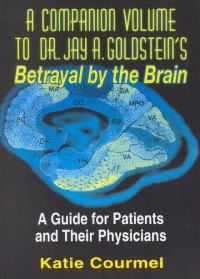
Dr. Jay A. Goldstein’s Betrayal by the Brain can be a daunting treatise to the layperson as well as a challenge for the physician who is not versed in neurology, psychiatry, immunology, and endocrinology. Here, in A Companion Volume to Dr. Jay A. Goldstein’s Betrayal by the Brain: A Guide for Patients and Their Physicians, Author Katie Courmel, a longtime sufferer of chronic fatigue syndrome and fibromyalgia, presents in layperson’s terms the salient points of the book to lead readers to an understanding of Dr. Goldstein’s theory and methods of treatment. This guide provides CFS and FMS patients with an understanding of how their brains should function as opposed to how they are now dysfunctioning. It explains the proper role and function of each brain structure and neural assembly and the neurochemicals believed to be implicated in CFS and fibromyalgia along with the dysfunctions found in CFS/FMS patients. These dysfunctions, as a whole, form the basis of Dr. Goldstein’s unified theory behind the possible causes of CFS and FMS. Patients involved in or contemplating Dr. Goldstein’s treatment can use A Companion Volume to Dr. Jay A. Goldstein’s Betrayal by the Brain to gain an explanation of the process from a firsthand perspective and can follow along to learn why they are given particular drugs and what response Dr. Goldstein hopes to elicit from their bodies. This understanding gives patients a sense of control and helps them weather the ups and downs their bodies experience as a normal response to the treatment. The strength of A Companion Volume to Dr. Jay A. Goldstein’s Betrayal by the Brain lies in its ability to simplify without sacrificing the body of information that one must understand to make sense of the multitude of seemingly unrelated manifestations of these diseases of the brain. A thorough understanding will allow sufferers of CFS/FMS to approach Dr. Goldstein’s treatment method with an open mind and improve their chances for success. Specific questions answered for readers include: how safe is this protocol? should I go alone or take a companion? what should I expect during my initial consultation? what are the effects of so many drugs? why doesn’t the same drug work for everyone? if my treatment is successful, how long will it last? what happens when I leave Dr. Goldstein’s care? A Companion Volume to Dr. Jay A. Goldstein’s Betrayal by the Brain prepares readers for a unique, sometimes scary, often perplexing, hopefully miraculous, leap-of-faith experience. It helps patients deal with the very natural sense of uneasiness they may be feeling and helps them understand, in layperson’s terms, what Dr. Goldstein’s protocol can accomplish and how it can be so successful.
目录
Table Of Contents:
Introduction 1(4)
Dr. Jay Goldstein's Drug Treatment Protocol 5(8)
How Safe Is This Protocol? 6(1)
Should I Go Alone or Take a Companion? 6(1)
What to Expect During Your Initial Consultation 7(1)
The Waiting Room 8(1)
The Effects of So Many Drugs 9(1)
Why Doesn't the Same Drug Work for Everyone? 10(1)
If My Treatment Is Successful, How Long Will It Last? 10(1)
What Happens When I Leave Dr. Goldstein's Care? 11(2)
Dr. Goldstein's Theory in a Large Nutshell 13(6)
Drug Therapies: The Vasodilation vs. Vasoconstriction Conundrum 15(2)
A Neurochemical Explanation 17(2)
Helping You Understand Dr. Goldstein's Book 19(50)
Brain Stuctures 20(21)
Amygdala 20(2)
Basal Ganglia 22(2)
Cerebellum 24(1)
Cerebral Cortex 25(2)
Dorsolateral Prefrontal Cortex (DLPFC) 27(1)
Hippocampus 28(1)
Hypothalamic-Pituitary Axis (HPA Axis) 29(1)
Hypothalamus 30(1)
Limbic System 31(2)
Locus Ceruleus (LC) 33(1)
Orbitofrontal Cortex (OFC) 34(1)
Paraventricular Nucleus of the Hypothalamus (PVN) 34(1)
Prefrontal Cortex (PFC) 35(1)
Superior Cervical Ganglion (SCG) 36(1)
Thalamic Reticular Nucleus (RT) 37(2)
Thalamus 39(1)
Trigeminal Nerve 39(1)
Ventromedial Nucleus of the Hypothalamus (VMH) 40(1)
Transmitter Substances 41(3)
Neurochemical Levels in Neurosomatic Disorders 44(1)
Neurochemical Interrelationships 44(25)
Acetylcholine (ACh) 45(2)
Adenosine 47(1)
Adrenocorticotropic Hormone (ACTH) 47(1)
Carbon Monoxide (CO) 48(1)
Corticotropin-Releasing Hormone (CRH) 48(2)
Dopamine (DA) 50(1)
Endothelin (ET) 51(1)
Gamma-Amino Butyric Acid (GABA) 52(1)
Glutamate (GT) 53(2)
Growth Hormone (GH) 55(1)
Histamine (HIS) 55(1)
Interleukin-1 (IL-1) 56(1)
Neuropeptide Y (NPY) 57(1)
Nitric Oxide (NO) 58(2)
Norepinephrine (NE) 60(2)
Oxytocin (OXT) 62(1)
Serotonin (5-HT) 63(3)
Substance P (SP) 66(1)
Vasoactive Intestinal Peptide (VIP) 67(2)
Drug Protocol Reference Table 69(10)
Glossary 79(6)
References 85(2)
Index 87
Introduction 1(4)
Dr. Jay Goldstein's Drug Treatment Protocol 5(8)
How Safe Is This Protocol? 6(1)
Should I Go Alone or Take a Companion? 6(1)
What to Expect During Your Initial Consultation 7(1)
The Waiting Room 8(1)
The Effects of So Many Drugs 9(1)
Why Doesn't the Same Drug Work for Everyone? 10(1)
If My Treatment Is Successful, How Long Will It Last? 10(1)
What Happens When I Leave Dr. Goldstein's Care? 11(2)
Dr. Goldstein's Theory in a Large Nutshell 13(6)
Drug Therapies: The Vasodilation vs. Vasoconstriction Conundrum 15(2)
A Neurochemical Explanation 17(2)
Helping You Understand Dr. Goldstein's Book 19(50)
Brain Stuctures 20(21)
Amygdala 20(2)
Basal Ganglia 22(2)
Cerebellum 24(1)
Cerebral Cortex 25(2)
Dorsolateral Prefrontal Cortex (DLPFC) 27(1)
Hippocampus 28(1)
Hypothalamic-Pituitary Axis (HPA Axis) 29(1)
Hypothalamus 30(1)
Limbic System 31(2)
Locus Ceruleus (LC) 33(1)
Orbitofrontal Cortex (OFC) 34(1)
Paraventricular Nucleus of the Hypothalamus (PVN) 34(1)
Prefrontal Cortex (PFC) 35(1)
Superior Cervical Ganglion (SCG) 36(1)
Thalamic Reticular Nucleus (RT) 37(2)
Thalamus 39(1)
Trigeminal Nerve 39(1)
Ventromedial Nucleus of the Hypothalamus (VMH) 40(1)
Transmitter Substances 41(3)
Neurochemical Levels in Neurosomatic Disorders 44(1)
Neurochemical Interrelationships 44(25)
Acetylcholine (ACh) 45(2)
Adenosine 47(1)
Adrenocorticotropic Hormone (ACTH) 47(1)
Carbon Monoxide (CO) 48(1)
Corticotropin-Releasing Hormone (CRH) 48(2)
Dopamine (DA) 50(1)
Endothelin (ET) 51(1)
Gamma-Amino Butyric Acid (GABA) 52(1)
Glutamate (GT) 53(2)
Growth Hormone (GH) 55(1)
Histamine (HIS) 55(1)
Interleukin-1 (IL-1) 56(1)
Neuropeptide Y (NPY) 57(1)
Nitric Oxide (NO) 58(2)
Norepinephrine (NE) 60(2)
Oxytocin (OXT) 62(1)
Serotonin (5-HT) 63(3)
Substance P (SP) 66(1)
Vasoactive Intestinal Peptide (VIP) 67(2)
Drug Protocol Reference Table 69(10)
Glossary 79(6)
References 85(2)
Index 87
- 名称
- 类型
- 大小
光盘服务联系方式: 020-38250260 客服QQ:4006604884
云图客服:
用户发送的提问,这种方式就需要有位在线客服来回答用户的问题,这种 就属于对话式的,问题是这种提问是否需要用户登录才能提问
Video Player
×
Audio Player
×
pdf Player
×
