

简介
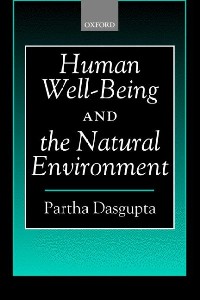
"In Human Well-Being and the Natural Environment, Partha Dasgupta explores ways to measure the quality of life. Although the problem pervades a number of academic disciplines, it is not confined to the academic realm. International organizations regularly publish cross-country estimates of the quality of life, journalists and commentators publicize them, and national governments are obliged to take note of them. Today, quality-of-life indices broker political arguments and together form a coin that even helps purchase economic and social policy."--BOOK JACKET
目录
Preface to the Paperback Edition p. viii
Preface p. ix
Summary and Guide p. xx
Introduction: Means and Ends p. 1
Making Comparisons p. 1
Disagreements over Facts and Values p. 3
Valuation and Evaluation in Kakotopia p. 7
Valuing and Evaluating p. 9
Prologue p. 11
The Notion of Well-Being p. 13
Personal to the Social p. 13
Welfare and Well-Being p. 14
Human Rights as Constituents of Well-Being p. 15
Positive and Negative Rights p. 18
Aggregation in Theory p. 19
Numerical Indices: Complete vs. Partial Ordering p. 20
Complete vs. Partial Comparability of Well-Being p. 22
Ordering Social States p. 24
Definitions p. 24
Efficient Liberalism p. 25
Why Measure Well-Being? p. 27
Measuring Economic Activity p. 27
Comparing Groups p. 27
Comparing Localities p. 28
Measuring Sustainable Well-Being p. 29
Finding Criteria for Policy Evaluation p. 30
Four Senses of Plurality p. 30
Constituents and Determinants of Well-Being p. 33
Constituents or Determinants? p. 33
Valuation, Trust, and Institutions p. 34
Happiness p. 36
Imitation and the Demonstration Effect p. 38
Measuring Current Well-Being p. 41
Prologue p. 43
Theory p. 45
Citizenship: Civil, Political, and Socio-Economic p. 45
The Need for Parsimony p. 46
Exotic Goods and Basic Needs p. 48
Civic Attitudes, Entitlements, and Democracy p. 50
Aggregation in Practice p. 53
Cardinal or Ordinal Indices p. 54
Current Quality of Life in Poor Countries p. 56
The Data p. 56
Borda Ranking p. 59
GNP and Current Well-Being p. 62
The Contemporary Poor World p. 63
Civil Rights, Democracy, and Economic Progress: Theory p. 66
Civil Rights, Democracy, and Economic Progress: Illustration p. 69
Geography of Poverty Traps p. 76
The Human Development Index: Development as What? p. 80
Measuring Well-Being Over Time p. 85
Prologue p. 86
Intergenerational Well-Being p. 89
The Ramsey Formulation p. 89
Discounting the Future p. 94
Public and Private Ethics p. 96
Population Growth p. 98
Uncertainty p. 101
Intergenerational Conflicts p. 104
Present vs. the Future p. 104
Declining Discount Rates p. 105
Economic Institutions and the Natural Environment p. 107
Markets p. 107
The Local Community p. 110
The State p. 114
Property Rights and Management: A Schemata p. 116
Global and Local Environmental Problems p. 117
Technological Biases p. 119
Valuing Goods p. 122
Accounting Prices p. 122
Necessities vs. Luxuries p. 124
Biodiversity and Substitution Possibilities p. 127
Estimating Accounting Prices p. 131
Total vs. Incremental Values p. 137
Wealth and Well-Being p. 139
Sustainable Development p. 139
Capital Assets and Institutions p. 142
Genuine Investment: Theory p. 146
Why not NNP? p. 149
What Does Productivity Growth Measure? p. 151
Accounting for the Environment p. 154
Genuine Investment: Applications p. 156
Evaluating Policies in Imperfect Economies p. 163
Prologue p. 165
Policy Reforms p. 167
Policy Change as Perturbation p. 167
Project Evaluation Criterion p. 168
Two Applications p. 172
Taxes and Regulations as Policies p. 173
Hard and Soft Prices p. 177
Discounting Future Consumption p. 179
Why p. 179
How p. 180
Global Warming and Discounting p. 183
Gamma Discounting p. 187
Project-Specific Discounting p. 190
Total or Incremental Output? p. 191
Institutional Responses to Policy Change p. 192
Non-Market Interactions p. 192
Growth or Redistribution? p. 196
Managing Local Irrigation Systems p. 199
Structural Adjustment Programmes and the Natural Environment p. 200
Poverty and Freer Trade p. 202
Valuing Potential Lives p. 205
Prologue p. 207
Some Views p. 211
Old Theories p. 211
Average Utilitarianism p. 212
Classical Utilitarianism and the Genesis Problem p. 215
Formulating the Theory p. 215
Optimum Population Size p. 218
Numbers and Well-Being under Classical Utilitarianism p. 220
Actual vs. Potential Lives p. 222
What is Wrong with the Genesis Problem? p. 222
Actual Problems p. 223
Generation-Relative Ethics p. 226
Rational Ends p. 228
Generation-Relative Utilitarianism p. 231
Appendix p. 236
Economists' Convexities p. 237
Convex Utopias p. 240
First-Best Welfare Economics in a Convex World p. 240
Non-Convex Economies p. 246
The Prevalence of Non-Convexities p. 246
Human Intervention in Non-Convex Ecosystems p. 250
Optimum Intervention p. 259
Valuation and Evaluation in Imperfect Economies p. 261
The Basic Model p. 264
Illustration 1: A Convex Economy p. 280
Illustration 2: A Non-Convex Ecosystem p. 284
Exhaustible Resources: A Closed Economy p. 285
Explorations and Discoveries p. 290
Forests and Trees p. 291
Human Capital p. 292
Global Public Goods p. 294
Technological Change and Growth Accounting p. 295
Exhaustible Resources: The Exporting Economy p. 297
Defensive Expenditure p. 300
Population Change and Sustainable Development p. 300
Uncertain Productivity p. 303
Time and Space p. 306
Good and Bad Positive Feedbacks, and Rich and Poor People p. 307
References p. 309
Name Index p. 333
Subject Index p. 339
Preface p. ix
Summary and Guide p. xx
Introduction: Means and Ends p. 1
Making Comparisons p. 1
Disagreements over Facts and Values p. 3
Valuation and Evaluation in Kakotopia p. 7
Valuing and Evaluating p. 9
Prologue p. 11
The Notion of Well-Being p. 13
Personal to the Social p. 13
Welfare and Well-Being p. 14
Human Rights as Constituents of Well-Being p. 15
Positive and Negative Rights p. 18
Aggregation in Theory p. 19
Numerical Indices: Complete vs. Partial Ordering p. 20
Complete vs. Partial Comparability of Well-Being p. 22
Ordering Social States p. 24
Definitions p. 24
Efficient Liberalism p. 25
Why Measure Well-Being? p. 27
Measuring Economic Activity p. 27
Comparing Groups p. 27
Comparing Localities p. 28
Measuring Sustainable Well-Being p. 29
Finding Criteria for Policy Evaluation p. 30
Four Senses of Plurality p. 30
Constituents and Determinants of Well-Being p. 33
Constituents or Determinants? p. 33
Valuation, Trust, and Institutions p. 34
Happiness p. 36
Imitation and the Demonstration Effect p. 38
Measuring Current Well-Being p. 41
Prologue p. 43
Theory p. 45
Citizenship: Civil, Political, and Socio-Economic p. 45
The Need for Parsimony p. 46
Exotic Goods and Basic Needs p. 48
Civic Attitudes, Entitlements, and Democracy p. 50
Aggregation in Practice p. 53
Cardinal or Ordinal Indices p. 54
Current Quality of Life in Poor Countries p. 56
The Data p. 56
Borda Ranking p. 59
GNP and Current Well-Being p. 62
The Contemporary Poor World p. 63
Civil Rights, Democracy, and Economic Progress: Theory p. 66
Civil Rights, Democracy, and Economic Progress: Illustration p. 69
Geography of Poverty Traps p. 76
The Human Development Index: Development as What? p. 80
Measuring Well-Being Over Time p. 85
Prologue p. 86
Intergenerational Well-Being p. 89
The Ramsey Formulation p. 89
Discounting the Future p. 94
Public and Private Ethics p. 96
Population Growth p. 98
Uncertainty p. 101
Intergenerational Conflicts p. 104
Present vs. the Future p. 104
Declining Discount Rates p. 105
Economic Institutions and the Natural Environment p. 107
Markets p. 107
The Local Community p. 110
The State p. 114
Property Rights and Management: A Schemata p. 116
Global and Local Environmental Problems p. 117
Technological Biases p. 119
Valuing Goods p. 122
Accounting Prices p. 122
Necessities vs. Luxuries p. 124
Biodiversity and Substitution Possibilities p. 127
Estimating Accounting Prices p. 131
Total vs. Incremental Values p. 137
Wealth and Well-Being p. 139
Sustainable Development p. 139
Capital Assets and Institutions p. 142
Genuine Investment: Theory p. 146
Why not NNP? p. 149
What Does Productivity Growth Measure? p. 151
Accounting for the Environment p. 154
Genuine Investment: Applications p. 156
Evaluating Policies in Imperfect Economies p. 163
Prologue p. 165
Policy Reforms p. 167
Policy Change as Perturbation p. 167
Project Evaluation Criterion p. 168
Two Applications p. 172
Taxes and Regulations as Policies p. 173
Hard and Soft Prices p. 177
Discounting Future Consumption p. 179
Why p. 179
How p. 180
Global Warming and Discounting p. 183
Gamma Discounting p. 187
Project-Specific Discounting p. 190
Total or Incremental Output? p. 191
Institutional Responses to Policy Change p. 192
Non-Market Interactions p. 192
Growth or Redistribution? p. 196
Managing Local Irrigation Systems p. 199
Structural Adjustment Programmes and the Natural Environment p. 200
Poverty and Freer Trade p. 202
Valuing Potential Lives p. 205
Prologue p. 207
Some Views p. 211
Old Theories p. 211
Average Utilitarianism p. 212
Classical Utilitarianism and the Genesis Problem p. 215
Formulating the Theory p. 215
Optimum Population Size p. 218
Numbers and Well-Being under Classical Utilitarianism p. 220
Actual vs. Potential Lives p. 222
What is Wrong with the Genesis Problem? p. 222
Actual Problems p. 223
Generation-Relative Ethics p. 226
Rational Ends p. 228
Generation-Relative Utilitarianism p. 231
Appendix p. 236
Economists' Convexities p. 237
Convex Utopias p. 240
First-Best Welfare Economics in a Convex World p. 240
Non-Convex Economies p. 246
The Prevalence of Non-Convexities p. 246
Human Intervention in Non-Convex Ecosystems p. 250
Optimum Intervention p. 259
Valuation and Evaluation in Imperfect Economies p. 261
The Basic Model p. 264
Illustration 1: A Convex Economy p. 280
Illustration 2: A Non-Convex Ecosystem p. 284
Exhaustible Resources: A Closed Economy p. 285
Explorations and Discoveries p. 290
Forests and Trees p. 291
Human Capital p. 292
Global Public Goods p. 294
Technological Change and Growth Accounting p. 295
Exhaustible Resources: The Exporting Economy p. 297
Defensive Expenditure p. 300
Population Change and Sustainable Development p. 300
Uncertain Productivity p. 303
Time and Space p. 306
Good and Bad Positive Feedbacks, and Rich and Poor People p. 307
References p. 309
Name Index p. 333
Subject Index p. 339
- 名称
- 类型
- 大小
光盘服务联系方式: 020-38250260 客服QQ:4006604884
云图客服:
用户发送的提问,这种方式就需要有位在线客服来回答用户的问题,这种 就属于对话式的,问题是这种提问是否需要用户登录才能提问
Video Player
×
Audio Player
×
pdf Player
×
