

简介
Summary:
Publisher Summary 1
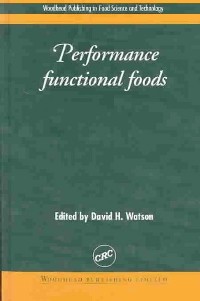
British chemist Watson defines functional foods as those designed to perform a function other than avoiding starvation, but offers no argument that any food has in fact been designed for the benefit of humans. British, Canadian, Irish, and Japanese contributors from the food industry and academia discuss their marketing and the scientific evidence underlying claims about their efficacy and safety. Their goal is to help businesses assess the potential for commercial success and the danger of consumer rejection. Their topics include mood, mental and physical performance, ginseng, ginkgo and Alzheimer's, sports drinks, pharmacological functions of green tea, and caffeine. Annotation (c) Book News, Inc., Portland, OR (booknews.com)
目录
Preface p. ix
List of contributors p. xi
1 Introduction D. Watson p. 1
1.1 References p. 3
2 Interactions between stress, food and mood C. R. Markus p. 5
2.1 Introduction p. 5
2.2 Brain mechanisms involved in mood p. 5
2.3 Food, the brain and mood p. 7
2.4 Carbohydrates and mood p. 9
2.5 Interactions between stress, food and mood p. 12
2.6 Conclusions and future trends p. 16
2.7 References p. 17
3 Mood, cognitive function and nutritional and other supplements P. Clayton p. 21
3.1 Introduction p. 21
3.2 B vitamins p. 21
3.3 Antioxidants p. 22
3.4 Polyunsaturated fatty acids p. 23
3.5 Phospholipids p. 24
3.6 Aluminium p. 26
3.7 Nerve growth and cerebrovascular factors p. 27
3.8 Herbal and other supplements p. 28
3.9 References p. 30
4 The range of medicinal plants influencing mental and physical performance T. S. C. Li p. 38
4.1 Introduction p. 38
4.2 Medicinal plants, mental and physical performance p. 39
4.3 Functions of medicinal plants on mental and physical performance p. 40
4.4 Effects of medicinal plants on mental and physical performance p. 45
4.5 Concerns about the safety and quality of medicinal plants p. 52
4.6 Future trends p. 53
4.7 Sources of further information and advice p. 53
4.8 References p. 54
5 Phyto-oestrogens and cognitive function S. Kreijkamp-Kaspers and Y. T. van der Schouw p. 61
5.1 Introduction p. 61
5.2 Cognitive function p. 62
5.3 Conventional hormone replacement therapy (HRT) and cognition p. 63
5.4 Phyto-oestrogens p. 64
5.5 Effects on cognitive function: animal studies p. 66
5.6 Effects on cognitive function: human studies p. 68
5.7 Summary and conclusion p. 71
5.8 References p. 73
6 Ginseng D. D. Kitts and D. G. Popovich p. 78
6.1 Introduction p. 78
6.2 Chemistry of ginseng p. 79
6.3 Detection and extraction of bioactive components from ginseng p. 80
6.4 Bioactivity and metabolism of ginseng extracts p. 81
6.5 Anti-stress and cognitive performance properties p. 82
6.6 Immunological and antioxidant properties p. 82
6.7 Bioactivity of specific ginsenosides p. 83
6.8 Non-ginsenoside bioactivity p. 86
6.9 The safety of ginseng p. 86
6.10 Quality control and use in food p. 87
6.11 Future trends p. 88
6.12 References p. 88
7 Ginkgo biloba and Alzheimer's disease B. D. Oomah p. 93
7.1 Introduction p. 93
7.2 Chemistry p. 94
7.3 Functional effects p. 99
7.4 Role in managing Alzheimer's disease p. 101
7.5 Safety issues p. 108
7.6 Conclusion p. 110
7.7 References p. 114
8 Functional ingredients in sports drinks R. J. Maughan p. 119
8.1 Introduction: challenges of athletic performance p. 119
8.2 Formulation of sports drinks: carbohydrate content p. 120
8.3 Formulation of sports drinks: osmolality p. 123
8.4 Formulation of sports drinks: electrolyte composition and concentration p. 124
8.5 Formulation of sports drinks: flavouring components p. 128
8.6 Future trends: other active ingredients p. 129
8.7 Sources of further information and advice p. 134
8.8 References p. 134
9 Pharmacological functions of green tea polyphenols T. P. Rao and T. Okubo and D-C. Chu and L. R. Juneja p. 140
9.1 Introduction p. 140
9.2 Antibacterial activity p. 142
9.3 Antiviral activity p. 149
9.4 Antioxidant functions p. 151
9.5 Conclusions p. 157
9.6 References p. 159
10 Caffeine, mental performance and mood J. E. James p. 168
10.1 Introduction p. 168
10.2 Sources of caffeine and consumption patterns p. 168
10.3 Chemistry and pharmacology p. 169
10.4 Biological mechanism of action and dependence p. 171
10.5 Psychomotor performance p. 172
10.6 Cognitive performance p. 174
10.7 The Caffeine Deprivation (Withdrawal Relief) Hypothesis p. 175
10.8 Mood p. 178
10.9 Reinforcing properties of caffeine p. 180
10.10 Challenges to the Caffeine Deprivation Hypothesis p. 181
10.11 Future trends p. 184
10.12 Conclusions p. 185
10.13 Sources of further information p. 186
10.14 Acknowledgement p. 187
10.15 References p. 187
Index p. 195
List of contributors p. xi
1 Introduction D. Watson p. 1
1.1 References p. 3
2 Interactions between stress, food and mood C. R. Markus p. 5
2.1 Introduction p. 5
2.2 Brain mechanisms involved in mood p. 5
2.3 Food, the brain and mood p. 7
2.4 Carbohydrates and mood p. 9
2.5 Interactions between stress, food and mood p. 12
2.6 Conclusions and future trends p. 16
2.7 References p. 17
3 Mood, cognitive function and nutritional and other supplements P. Clayton p. 21
3.1 Introduction p. 21
3.2 B vitamins p. 21
3.3 Antioxidants p. 22
3.4 Polyunsaturated fatty acids p. 23
3.5 Phospholipids p. 24
3.6 Aluminium p. 26
3.7 Nerve growth and cerebrovascular factors p. 27
3.8 Herbal and other supplements p. 28
3.9 References p. 30
4 The range of medicinal plants influencing mental and physical performance T. S. C. Li p. 38
4.1 Introduction p. 38
4.2 Medicinal plants, mental and physical performance p. 39
4.3 Functions of medicinal plants on mental and physical performance p. 40
4.4 Effects of medicinal plants on mental and physical performance p. 45
4.5 Concerns about the safety and quality of medicinal plants p. 52
4.6 Future trends p. 53
4.7 Sources of further information and advice p. 53
4.8 References p. 54
5 Phyto-oestrogens and cognitive function S. Kreijkamp-Kaspers and Y. T. van der Schouw p. 61
5.1 Introduction p. 61
5.2 Cognitive function p. 62
5.3 Conventional hormone replacement therapy (HRT) and cognition p. 63
5.4 Phyto-oestrogens p. 64
5.5 Effects on cognitive function: animal studies p. 66
5.6 Effects on cognitive function: human studies p. 68
5.7 Summary and conclusion p. 71
5.8 References p. 73
6 Ginseng D. D. Kitts and D. G. Popovich p. 78
6.1 Introduction p. 78
6.2 Chemistry of ginseng p. 79
6.3 Detection and extraction of bioactive components from ginseng p. 80
6.4 Bioactivity and metabolism of ginseng extracts p. 81
6.5 Anti-stress and cognitive performance properties p. 82
6.6 Immunological and antioxidant properties p. 82
6.7 Bioactivity of specific ginsenosides p. 83
6.8 Non-ginsenoside bioactivity p. 86
6.9 The safety of ginseng p. 86
6.10 Quality control and use in food p. 87
6.11 Future trends p. 88
6.12 References p. 88
7 Ginkgo biloba and Alzheimer's disease B. D. Oomah p. 93
7.1 Introduction p. 93
7.2 Chemistry p. 94
7.3 Functional effects p. 99
7.4 Role in managing Alzheimer's disease p. 101
7.5 Safety issues p. 108
7.6 Conclusion p. 110
7.7 References p. 114
8 Functional ingredients in sports drinks R. J. Maughan p. 119
8.1 Introduction: challenges of athletic performance p. 119
8.2 Formulation of sports drinks: carbohydrate content p. 120
8.3 Formulation of sports drinks: osmolality p. 123
8.4 Formulation of sports drinks: electrolyte composition and concentration p. 124
8.5 Formulation of sports drinks: flavouring components p. 128
8.6 Future trends: other active ingredients p. 129
8.7 Sources of further information and advice p. 134
8.8 References p. 134
9 Pharmacological functions of green tea polyphenols T. P. Rao and T. Okubo and D-C. Chu and L. R. Juneja p. 140
9.1 Introduction p. 140
9.2 Antibacterial activity p. 142
9.3 Antiviral activity p. 149
9.4 Antioxidant functions p. 151
9.5 Conclusions p. 157
9.6 References p. 159
10 Caffeine, mental performance and mood J. E. James p. 168
10.1 Introduction p. 168
10.2 Sources of caffeine and consumption patterns p. 168
10.3 Chemistry and pharmacology p. 169
10.4 Biological mechanism of action and dependence p. 171
10.5 Psychomotor performance p. 172
10.6 Cognitive performance p. 174
10.7 The Caffeine Deprivation (Withdrawal Relief) Hypothesis p. 175
10.8 Mood p. 178
10.9 Reinforcing properties of caffeine p. 180
10.10 Challenges to the Caffeine Deprivation Hypothesis p. 181
10.11 Future trends p. 184
10.12 Conclusions p. 185
10.13 Sources of further information p. 186
10.14 Acknowledgement p. 187
10.15 References p. 187
Index p. 195
- 名称
- 类型
- 大小
光盘服务联系方式: 020-38250260 客服QQ:4006604884
云图客服:
用户发送的提问,这种方式就需要有位在线客服来回答用户的问题,这种 就属于对话式的,问题是这种提问是否需要用户登录才能提问
Video Player
×
Audio Player
×
pdf Player
×
