

简介
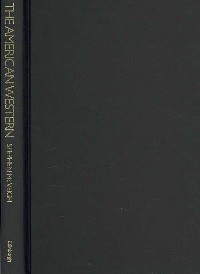
This wide-ranging book illuminates the importance of the Western in American history. It explores the interconnections between the Western in both literature and film and the United States in the 20th century. Structured chronologically, the book traces the evolution of the Western as a uniquely American form. The author argues that America's frontier past was quickly transformed into a set of symbols and myths, an American meta-narrative that came to underpin much of the 'American century'. He details how and why this process occurred, the form and function of Western myths and symbols, the evolution of this mythology, and its subversions and reconstructions throughout 20th-century American history. The book engages with the full range of historical, literary and cinematic perspectives and texts, from the founding Western histories of Theodore Roosevelt and Frederick Jackson Turner to the New Western history of Patricia Nelson Limerick and Richard White. Key texts used to illustrate the narrative include: Owen Wister's The Virginian Jack Schaefer's Shane Cormac McCarthy's Blood Meridian Ishmael Reed's Yellow Back Radio Broke Down Films from Edwin Porter's The Great Train Robbery to Fred Zinneman's High Noon and from Clint Eastwood's Unforgiven to the post 9/11 Westerns Open Range , The Alamo and Brokeback Mountain This book is an essential and comprehensive analysis of the significance and enduring legacy of the American Western. Key Features: Includes chapters on Western history, literature and film Shows the interconnections between the Western (in all its forms) and 20th-century American history, politics, culture and society The only book to take a multi-disciplinary approach to the subject
目录
Contents 6
Preface 8
The American Western 8
Chapter 1: The American West in the 1890s \u2013 a Pivotal Decade 10
Chapter 2: Founding Western History: Theodore Roosevelt and Frederick Jackson Turner 22
Theodore Roosevelt and The Winning of the West (1889\u201396) 22
Frederick Jackson Turner and The Significance of the Frontier in American History (1893) 30
Roosevelt and Turner: a Question of Influence 34
Chapter 3: Buffalo Bill\u2019s Wild West and the Codification of the Western 36
Chapter 4: Western Literature from The Virginian to Shane 47
The Virginian (1902) 49
The Western Novel in the Wake of The Virginian 55
Shane (1949) 58
Chapter 5: Western Film from Silent to Noir 67
Bronco Bill Anderson and William S. Hart 71
The Rise of Cinema 72
The Silent Western Epics 75
The Western in the 1930s and 1940s 78
Western Noir 83
Chapter 6: The Western and the Cold War: the Gunfighter, Heroic Leadership and Political Culture 85
Interpretations of Time 87
The Gunfighter (1950) 90
Jimmy Ringo to Will Kane 94
The Tin Star by John M. Cunningham 97
High Noon (1952): The Eisenhower Western 106
Eisenhower as Kane 115
The United States as Hadleyville 118
Shane (1953): the Kennedy Western 126
John F. Kennedy as Shane 134
The Presidency in 1960 136
Kennedy or Nixon: Does it Make Any Difference? (1960) 141
The Nixon\u2013Kennedy Debates 143
Superman Comes to the Supermarket (1964) 144
Chapter 7: New Western Perspectives: History and Literature 149
The New Western History 149
New Western Perspectives and Western Literature 155
Chapter 8: The Western and Political Culture, 1960\u20131992: Revisions of Shane 164
Why Does Shane Come Back? 170
Leone, Eastwood and the Spaghetti Western 177
Cinecitta Studios: Hollywood comes to Rome 178
High Plains Drifter (1973) 189
Pale Rider (1985) 201
Unforgiven (1992) 211
Chapter 9: Wanted Dead or Alive: 9/11 and the American Western 222
Post-9/11 Westerns 227
Bibliography 230
Web References 242
Index 244
Preface 8
The American Western 8
Chapter 1: The American West in the 1890s \u2013 a Pivotal Decade 10
Chapter 2: Founding Western History: Theodore Roosevelt and Frederick Jackson Turner 22
Theodore Roosevelt and The Winning of the West (1889\u201396) 22
Frederick Jackson Turner and The Significance of the Frontier in American History (1893) 30
Roosevelt and Turner: a Question of Influence 34
Chapter 3: Buffalo Bill\u2019s Wild West and the Codification of the Western 36
Chapter 4: Western Literature from The Virginian to Shane 47
The Virginian (1902) 49
The Western Novel in the Wake of The Virginian 55
Shane (1949) 58
Chapter 5: Western Film from Silent to Noir 67
Bronco Bill Anderson and William S. Hart 71
The Rise of Cinema 72
The Silent Western Epics 75
The Western in the 1930s and 1940s 78
Western Noir 83
Chapter 6: The Western and the Cold War: the Gunfighter, Heroic Leadership and Political Culture 85
Interpretations of Time 87
The Gunfighter (1950) 90
Jimmy Ringo to Will Kane 94
The Tin Star by John M. Cunningham 97
High Noon (1952): The Eisenhower Western 106
Eisenhower as Kane 115
The United States as Hadleyville 118
Shane (1953): the Kennedy Western 126
John F. Kennedy as Shane 134
The Presidency in 1960 136
Kennedy or Nixon: Does it Make Any Difference? (1960) 141
The Nixon\u2013Kennedy Debates 143
Superman Comes to the Supermarket (1964) 144
Chapter 7: New Western Perspectives: History and Literature 149
The New Western History 149
New Western Perspectives and Western Literature 155
Chapter 8: The Western and Political Culture, 1960\u20131992: Revisions of Shane 164
Why Does Shane Come Back? 170
Leone, Eastwood and the Spaghetti Western 177
Cinecitta Studios: Hollywood comes to Rome 178
High Plains Drifter (1973) 189
Pale Rider (1985) 201
Unforgiven (1992) 211
Chapter 9: Wanted Dead or Alive: 9/11 and the American Western 222
Post-9/11 Westerns 227
Bibliography 230
Web References 242
Index 244
The American Western /
- 名称
- 类型
- 大小
光盘服务联系方式: 020-38250260 客服QQ:4006604884
云图客服:
用户发送的提问,这种方式就需要有位在线客服来回答用户的问题,这种 就属于对话式的,问题是这种提问是否需要用户登录才能提问
Video Player
×
Audio Player
×
pdf Player
×
