

简介
Summary:
Publisher Summary 1
Explains the government budgeting process in detail. After an overview of the budgetary process, Part II covers macrobudgetary constraints and goals such as credit markets and budget balancing. Part III covers taxation in budgeting, and Part IV examines challenges associated with government accounting. Part V is on how institutions budget; Part VI covers politics, management, and analysis in budgeting; and Part VII deals with the problem of how to budget when time is a significant variable. A final chapter discusses the future of government budgeting. Meyers is associate professor of political science at the University of Maryland-Baltimore. Annotation c. Book News, Inc., Portland, OR (booknews.com)
Publisher Summary 2
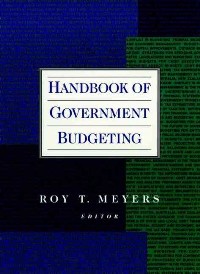
In this comprehensive reference, Roy T. Meyers provides an invaluable tool for anyone who wants to learn how the government budgeting process works, where it doesn't work, and how it can be improved. Filled with insights and wisdom from thirty-six contributors, this book presents an encyclopedic account of budgeting innovations today. Seven sections and twenty-nine chapters cover everything from current basic processes to the uncertain future of budgeting. Handbook of Government Budgeting is the definitive resource for anyone interested in the ways governments acquire and spAnd money.
Nationally and internationally respected experts such as Bob Bland, Naomi Caiden, James Chan, Philip Cooper, Larry Jones, A. Premchand, Irene Rubin, and Barry White offer the reader a full spectrum of information and ideas gleaned from a broad base of practice and research. The contributors are authorities in the fields of political science, economics, accounting, and management. They include executives, managers, analysts, consultants, and academics who have studied or worked with governments. The combined wisdom of these experts ensures the most concise, complete, and thought-provoking compilation concerning government budgeting today.
Each section of the Handbook of Government Budgeting presents multiple chapters offering different perspectives on budgetary subjects. Topics include: an overview of government budgeting; credit markets, the economy, and budget balancing; taxation in budgeting; the informational foundations of budgeting; budgeting by institutions; politics, management, and analysis in budgeting; and budgeting over time for large amounts. This comprehensive volume will prove a priceless tool to government professionals as well as professors of budgeting courses. Budgeting students and practitioners will find up-to-date information on the latest budget issues and politics in governments across federal, state, and local levels.
The teaching supplement is available directly from the author.
Interested parties should e-mail him at meyers@umbc.edu.
目录
List of Figures, Tables, and Exhibits p. xi
Preface p. xv
The Editor p. xxi
The Contributors p. xxiii
Part 1 An Overview of Government Budgeting p. 1
1 Features of the Budgetary Process Jerry McCaffery p. 3
2 Understanding the Role of Conflict in Budgeting Irene S. Rubin p. 30
3 Financial Management Reform in the Federal Government L. R. Jones and Jerry McCaffery p. 53
4 Budgetary Management in the United States and in Australia, New Zealand, and the United Kingdom A. Premchand p. 82
Part 2 Credit Markets, the Economy, and Budget Balancing p. 117
5 Understanding and Using Government Financial Statements John H. Engstrom p. 119
6 The Changing World of State and Local Debt Finance Merl Hackbart and James R. Ramsey p. 157
7 State and Local Government Budgeting: Coping with the Business Cycle Michael Wolkoff p. 178
8 The Federal Budget and Economic Management Van Doorn Ooms and Ronald S. Boster and Robert L. Fleegler p. 197
9 The Rhetoric and Reality of Balancing Budgets Naomi Caiden p. 227
Part 3 Taxation in Budgeting p. 253
10 The Major Tax Bases Jane G. Gravelle p. 255
11 Addressing Tax Expenditures in the Budgetary Process Bruce F. Davie p. 277
12 Practical Methods for Projecting Revenues Stuart Bretschneider and Wilpen L. Gorr p. 308
13 The Politics of Taxation Sheldon Pollack p. 332
Part 4 The Informational Foundations of Budgeting p. 355
14 The Bases of Accounting for Budgeting and Financial Reporting James L. Chan p. 357
15 Cost Measurement and Analysis Fred Thompson p. 381
16 Information Technology for Financial Management Rowan Miranda p. 412
Part 5 Budgeting by Institutions p. 439
17 Preparing Agency Budgets Jacqueline H. Rogers and Marita B. Brown p. 441
18 Examining Budgets for Chief Executives Barry White p. 462
19 Legislatures and Budgeting Roy T. Meyers p. 485
20 Courts and Fiscal Decision Making Phillip J. Cooper p. 502
Part 6 Politics, Management, and Analysis in Budgeting p. 527
21 Cutback Budgeting James D. Savage and Herman M. Schwartz p. 529
22 Strategies for Spending Advocates Roy T. Meyers p. 548
23 Budget Implementation Rebecca Hendrick and John P. Forrester p. 568
24 Performance-Based Budgeting Philip G. Joyce p. 597
25 Analytical Techniques for Budgeting Marvin B. Mandell p. 620
Part 7 Budgeting Over Time for Large Amounts p. 651
26 Budgeting for Capital Improvements Robert L. Bland and Wes Clarke p. 653
27 Budgeting for Entitlements Joseph White p. 678
28 Budgeting for Contingent Losses Marvin Phaup and David F. Torregrosa p. 699
Conclusion p. 721
29 The Future of Government Budgeting Roy T. Meyers p. 723
Name Index p. 739
Subject Index p. 749
Preface p. xv
The Editor p. xxi
The Contributors p. xxiii
Part 1 An Overview of Government Budgeting p. 1
1 Features of the Budgetary Process Jerry McCaffery p. 3
2 Understanding the Role of Conflict in Budgeting Irene S. Rubin p. 30
3 Financial Management Reform in the Federal Government L. R. Jones and Jerry McCaffery p. 53
4 Budgetary Management in the United States and in Australia, New Zealand, and the United Kingdom A. Premchand p. 82
Part 2 Credit Markets, the Economy, and Budget Balancing p. 117
5 Understanding and Using Government Financial Statements John H. Engstrom p. 119
6 The Changing World of State and Local Debt Finance Merl Hackbart and James R. Ramsey p. 157
7 State and Local Government Budgeting: Coping with the Business Cycle Michael Wolkoff p. 178
8 The Federal Budget and Economic Management Van Doorn Ooms and Ronald S. Boster and Robert L. Fleegler p. 197
9 The Rhetoric and Reality of Balancing Budgets Naomi Caiden p. 227
Part 3 Taxation in Budgeting p. 253
10 The Major Tax Bases Jane G. Gravelle p. 255
11 Addressing Tax Expenditures in the Budgetary Process Bruce F. Davie p. 277
12 Practical Methods for Projecting Revenues Stuart Bretschneider and Wilpen L. Gorr p. 308
13 The Politics of Taxation Sheldon Pollack p. 332
Part 4 The Informational Foundations of Budgeting p. 355
14 The Bases of Accounting for Budgeting and Financial Reporting James L. Chan p. 357
15 Cost Measurement and Analysis Fred Thompson p. 381
16 Information Technology for Financial Management Rowan Miranda p. 412
Part 5 Budgeting by Institutions p. 439
17 Preparing Agency Budgets Jacqueline H. Rogers and Marita B. Brown p. 441
18 Examining Budgets for Chief Executives Barry White p. 462
19 Legislatures and Budgeting Roy T. Meyers p. 485
20 Courts and Fiscal Decision Making Phillip J. Cooper p. 502
Part 6 Politics, Management, and Analysis in Budgeting p. 527
21 Cutback Budgeting James D. Savage and Herman M. Schwartz p. 529
22 Strategies for Spending Advocates Roy T. Meyers p. 548
23 Budget Implementation Rebecca Hendrick and John P. Forrester p. 568
24 Performance-Based Budgeting Philip G. Joyce p. 597
25 Analytical Techniques for Budgeting Marvin B. Mandell p. 620
Part 7 Budgeting Over Time for Large Amounts p. 651
26 Budgeting for Capital Improvements Robert L. Bland and Wes Clarke p. 653
27 Budgeting for Entitlements Joseph White p. 678
28 Budgeting for Contingent Losses Marvin Phaup and David F. Torregrosa p. 699
Conclusion p. 721
29 The Future of Government Budgeting Roy T. Meyers p. 723
Name Index p. 739
Subject Index p. 749
- 名称
- 类型
- 大小
光盘服务联系方式: 020-38250260 客服QQ:4006604884
云图客服:
用户发送的提问,这种方式就需要有位在线客服来回答用户的问题,这种 就属于对话式的,问题是这种提问是否需要用户登录才能提问
Video Player
×
Audio Player
×
pdf Player
×
