

简介
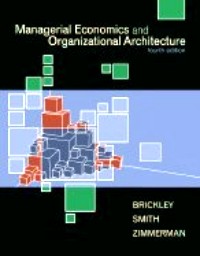
With two distinct objectives, this text's approach to managerial economics takes models from recent economics research and applies the research to the internal structure of a firm. After teaching basic applied economics, the authors look inside the firm and apply this analysis to management decision making. Authors Brickley, Smith, and Zimmerman contend that organizational architecture consists of three aspects of corporate organization: the assignment of decision rights within the company; methods of rewarding individuals; the structure of systems to evaluate the performance of both individuals and business units. These three components can be likened to a stool with three legs. If one of the legs is shorter, the stool is out of balance. These three elements must be in balance in the organization as well.
目录
Part 1 Basic Concepts
Chapter 1 Introduction
Chapter 2 Economist's View of Behavior
Chapter 3 Markets, Organizations, and the Role of Knowledge
Part 2 Managerial Economics
Chapter 4 Demand
Chapter 5 Production and Cost
Chapter 6 Market Structure
Chapter 7 Pricing with Market Power
Chapter 8 Economics of Strategy: Creating and Capturing Value
Chapter 9 Economics of Strategy: Game Theory
Chapter 10 Incentive Conflicts and Contracts
Part 3 Designing Organizational Architecture
Chapter 11 Organizational Architecture
Chapter 12 Decision Rights: The Level of Empowerment
Chapter 13 Decision Rights: Bundling Tasks into Jobs and Subunits
Chapter 14 Attracting and Retaining Qualified Employees
Chapter 15 Incentive Compensation
Chapter 16 Individual Performance Evaluation
Chapter 17 Divisional Performance Evaluation Capstone Case Study on Organizational Architecture: Arthur Anderson LLP
Part 4 Applications of Organizational Architecture
Chapter 18 Corporate Governance
Chapter 19 Vertical Integration and Outsourcing
Chapter 20 Leadership: Motivating Change within Organizations
Chapter 21 Understanding the Business Environment: The Economics of Regulation
Chapter 22 Ethics and Organizational Architecture
Chapter 23 Organizational Architecture and the Process of Management Innovation
Chapter 1 Introduction
Chapter 2 Economist's View of Behavior
Chapter 3 Markets, Organizations, and the Role of Knowledge
Part 2 Managerial Economics
Chapter 4 Demand
Chapter 5 Production and Cost
Chapter 6 Market Structure
Chapter 7 Pricing with Market Power
Chapter 8 Economics of Strategy: Creating and Capturing Value
Chapter 9 Economics of Strategy: Game Theory
Chapter 10 Incentive Conflicts and Contracts
Part 3 Designing Organizational Architecture
Chapter 11 Organizational Architecture
Chapter 12 Decision Rights: The Level of Empowerment
Chapter 13 Decision Rights: Bundling Tasks into Jobs and Subunits
Chapter 14 Attracting and Retaining Qualified Employees
Chapter 15 Incentive Compensation
Chapter 16 Individual Performance Evaluation
Chapter 17 Divisional Performance Evaluation Capstone Case Study on Organizational Architecture: Arthur Anderson LLP
Part 4 Applications of Organizational Architecture
Chapter 18 Corporate Governance
Chapter 19 Vertical Integration and Outsourcing
Chapter 20 Leadership: Motivating Change within Organizations
Chapter 21 Understanding the Business Environment: The Economics of Regulation
Chapter 22 Ethics and Organizational Architecture
Chapter 23 Organizational Architecture and the Process of Management Innovation
- 名称
- 类型
- 大小
光盘服务联系方式: 020-38250260 客服QQ:4006604884
云图客服:
用户发送的提问,这种方式就需要有位在线客服来回答用户的问题,这种 就属于对话式的,问题是这种提问是否需要用户登录才能提问
Video Player
×
Audio Player
×
pdf Player
×
