

简介
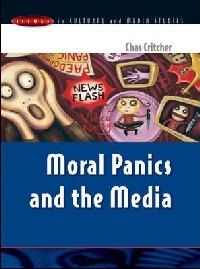
First coined by Stanley Cohen in 1972, 'moral panic' is a key term in media studies, used to refer to sudden eruptions of indignant concern about social issues. An occurrence of moral panic is characterised by stylized and stereotypical representation by the mass media, and a tendency for those in power to claim the moral high ground and pronounce judgement. In this important book, Chas Critcher brings together essential readings on moral panics, which he contextualises in the light of moral panic scholarship through an editor's introduction and concise section introductions. The first section discusses moral panic models, and includes contributions on the history and intellectual background of the concept. Differences in thinking between British and American moral panic scholarship are also examined. A second section features important case studies, including AIDS, Satanism, drugs, paedophilia and asylum seekers. This is followed by readings that look at themes such as the importance of language, rhetoric and discourse; the dynamics of media reporting and how it affects public opinion; and the idea of the 'risk society'. Finally, readings critique and debate the use and relevance of moral panic models. "Critical Readings: Moral Panics And The Media" is a valuable resource for students and researchers in media studies, criminology and sociology. It includes essays by: David L. Altheide, Nachman Ben-Yehuda, Joel Best, Theodore Chiricos, John Clarke, Stan Cohen, Chas Critcher, Mary deYoung, Julie Dickinson, Erich Goode, Johanna Habermeier, Stuart Hall, Sean P. Hier, Tony Jefferson, Philip Jenkins, Hans Mathias Kepplinger, Jennifer Kitzinger, Daniel Maier-Katkin, Angela McRobbie, Peter Meylakhs, Suzanne Ost, Bryan Roberts, Liza Schuster, Stephen Stockwell, Kenneth Thompson, Sarah L.Thornton, Sheldon Ungar, Simon Watney, Jeffrey Weeks, Michael Welch, and Paul Williams.
目录
Series Editor's Foreword p. ix
List of Tables and Figure p. xi
Acknowledgements p. xii
Introduction: Original Thoughts p. 1
The project p. 1
The structure p. 3
The objective p. 4
Further reading p. 5
Part I The Models p. 7
1 Made in Britain: The Processual Model of Moral Panics p. 9
Introduction p. 9
Cohen: Folk Devils and Moral Panics p. 10
Hall et al.: Policing the Crisis p. 14
Eliciting a model p. 16
Further reading p. 19
2 Notes from a Big Country: The Attributional Model of Moral Panics p. 20
Introduction p. 20
Claims making and the mass media p. 22
Goode and Ben-Yehuda: Moral Panics p. 23
Jenkins: Intimate Enemies p. 26
Two models, one project p. 27
Further reading p. 30
Part II The Case Studies p. 31
3 Unhealthy Preoccupations: AIDS p. 33
Introduction p. 33
The AIDS narrative p. 33
Applying the models p. 38
Beyond moral panics p. 41
International comparisons p. 42
Overview p. 46
Further reading p. 46
4 Out of Their Minds: Ecstasy and Raves p. 48
Introduction p. 48
The rave/ecstasy narrative p. 48
Applying the models p. 53
Beyond moral panics p. 58
International comparisons p. 60
Overview p. 63
Further reading p. 63
5 A Rocky Horror Show: Video Nasties p. 64
Introduction p. 64
The first video nasties narrative, 1982-84 p. 64
The second video nasties narrative, 1993-94 p. 67
Applying the models p. 70
Beyond moral panics p. 74
International comparisons p. 77
Overview p. 79
Further reading p. 80
6 Suffer the Little Children: Child Abuse in Families p. 81
Introduction p. 81
The physical abuse narrative p. 81
Physical abuse as moral panic p. 83
The sexual abuse narrative: Cleveland p. 84
Cleveland as moral panic p. 87
The ritual abuse narrative p. 89
Ritual abuse as moral panic p. 90
Beyond moral panics p. 92
International comparisons p. 95
Overview p. 98
Further reading p. 98
7 Monstrous Ideas: Paedophilia p. 99
Introduction p. 99
The paedophilia narrative p. 100
Applying the models p. 109
Beyond moral panics p. 112
International comparisons p. 115
Overview p. 116
Further reading p. 117
Part III The Implications p. 119
8 Universal Pictures: International Comparisons p. 121
Introduction p. 121
Political, economic and social change p. 122
Key institutions p. 124
Specificity of issues p. 126
Diffusion p. 127
Moral panics and modernity p. 129
Further reading p. 130
9 No News Is Good News: The Role of the Media p. 131
Introduction p. 131
News values and inferential structures p. 132
Primary definers and claims makers p. 134
Agenda setting and public opinion p. 136
News attention cycle and narrative closure p. 139
The Daily Mail p. 141
Further reading p. 142
10 Time for A Make-Over: The Models Revisited p. 143
Introduction p. 143
Terminology p. 144
Dynamics p. 144
Determinism p. 145
Social anxiety p. 147
Change p. 148
Critical overview p. 149
Towards a synthesis p. 149
Further reading p. 154
11 Myth Appropriation: The Childhood Theme p. 155
Introduction p. 155
Childhood and moral panics p. 156
Childhood as social construction p. 156
Childhood as symbol p. 158
Childhood and change p. 159
The politics of childhood p. 160
Further reading p. 163
12 Underwriting Risk: Moral Panics and Social Theory p. 164
Introduction p. 164
Risk p. 165
Discourse p. 167
Moral panics and risk discourses p. 172
Further reading p. 175
Afterword p. 176
Glossary p. 179
References p. 183
Index p. 199
List of Tables and Figure p. xi
Acknowledgements p. xii
Introduction: Original Thoughts p. 1
The project p. 1
The structure p. 3
The objective p. 4
Further reading p. 5
Part I The Models p. 7
1 Made in Britain: The Processual Model of Moral Panics p. 9
Introduction p. 9
Cohen: Folk Devils and Moral Panics p. 10
Hall et al.: Policing the Crisis p. 14
Eliciting a model p. 16
Further reading p. 19
2 Notes from a Big Country: The Attributional Model of Moral Panics p. 20
Introduction p. 20
Claims making and the mass media p. 22
Goode and Ben-Yehuda: Moral Panics p. 23
Jenkins: Intimate Enemies p. 26
Two models, one project p. 27
Further reading p. 30
Part II The Case Studies p. 31
3 Unhealthy Preoccupations: AIDS p. 33
Introduction p. 33
The AIDS narrative p. 33
Applying the models p. 38
Beyond moral panics p. 41
International comparisons p. 42
Overview p. 46
Further reading p. 46
4 Out of Their Minds: Ecstasy and Raves p. 48
Introduction p. 48
The rave/ecstasy narrative p. 48
Applying the models p. 53
Beyond moral panics p. 58
International comparisons p. 60
Overview p. 63
Further reading p. 63
5 A Rocky Horror Show: Video Nasties p. 64
Introduction p. 64
The first video nasties narrative, 1982-84 p. 64
The second video nasties narrative, 1993-94 p. 67
Applying the models p. 70
Beyond moral panics p. 74
International comparisons p. 77
Overview p. 79
Further reading p. 80
6 Suffer the Little Children: Child Abuse in Families p. 81
Introduction p. 81
The physical abuse narrative p. 81
Physical abuse as moral panic p. 83
The sexual abuse narrative: Cleveland p. 84
Cleveland as moral panic p. 87
The ritual abuse narrative p. 89
Ritual abuse as moral panic p. 90
Beyond moral panics p. 92
International comparisons p. 95
Overview p. 98
Further reading p. 98
7 Monstrous Ideas: Paedophilia p. 99
Introduction p. 99
The paedophilia narrative p. 100
Applying the models p. 109
Beyond moral panics p. 112
International comparisons p. 115
Overview p. 116
Further reading p. 117
Part III The Implications p. 119
8 Universal Pictures: International Comparisons p. 121
Introduction p. 121
Political, economic and social change p. 122
Key institutions p. 124
Specificity of issues p. 126
Diffusion p. 127
Moral panics and modernity p. 129
Further reading p. 130
9 No News Is Good News: The Role of the Media p. 131
Introduction p. 131
News values and inferential structures p. 132
Primary definers and claims makers p. 134
Agenda setting and public opinion p. 136
News attention cycle and narrative closure p. 139
The Daily Mail p. 141
Further reading p. 142
10 Time for A Make-Over: The Models Revisited p. 143
Introduction p. 143
Terminology p. 144
Dynamics p. 144
Determinism p. 145
Social anxiety p. 147
Change p. 148
Critical overview p. 149
Towards a synthesis p. 149
Further reading p. 154
11 Myth Appropriation: The Childhood Theme p. 155
Introduction p. 155
Childhood and moral panics p. 156
Childhood as social construction p. 156
Childhood as symbol p. 158
Childhood and change p. 159
The politics of childhood p. 160
Further reading p. 163
12 Underwriting Risk: Moral Panics and Social Theory p. 164
Introduction p. 164
Risk p. 165
Discourse p. 167
Moral panics and risk discourses p. 172
Further reading p. 175
Afterword p. 176
Glossary p. 179
References p. 183
Index p. 199
- 名称
- 类型
- 大小
光盘服务联系方式: 020-38250260 客服QQ:4006604884
云图客服:
用户发送的提问,这种方式就需要有位在线客服来回答用户的问题,这种 就属于对话式的,问题是这种提问是否需要用户登录才能提问
Video Player
×
Audio Player
×
pdf Player
×
