

简介
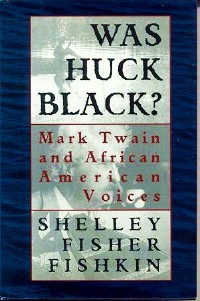
Published in 1884, Huckberry Finn has become one of the most widely taught novels in American curricula. But where did it come from, and what made it so distinctive? Shelly Fisher Fishkin suggests that in Huckleberry Finn, more than in any other work, Mark Twain let African-American voices, language, and rhetorical traditions play a major role in the creation of his art. In Was Huck Black?, Fishkin combines close readings of published and unpublished writing by Twain with intensive biographical and historical research and insights gleaned from linguistics, literary theory, and folklore to shed new light on the role African-American voices played in the genesis of Huckleberry Finn. Given that book's importance in American culture, her analysis illuminates, as well, how African-American voices have shaped our sense of what is distinctively "American" about American literature.
Fishkin shows that Mark Twain was surrounded, throughout his life, by richly talented African-American speakers whose rhetorical gifts Twain admired candidly and profusely. A black child named Jimmy whom Twain called "the most art-less, sociable, and exhaustless talker I ever came across" helped Twain understand the potential of a vernacular narrator in the years before he began writing Huckberry Finn, and served as a model for the voice with which Twain would transform American literature. A slave named Jerry whom Twain referred to as an "impudent and satirical and delightful young black man" taught Twain about "signifying" - satire in an African-American vein - when Twain was a teenager (later Twain would recall that he thought him "the greatest man in the United States" at the time). Other African-American voices left their mark on Twain's imagination as well - but their role in the creation of his art has never been recognized.
Was Huck Black? adds a new dimension to current debates over multiculturalism and the canon. American literary historians have told a largely segregated story: white writers come from white literary ancestors, black writers from black ones. The truth is more complicated and more interesting. While African-American culture shaped Huckleberry Finn, that novel, in turn, helped shape African-American writing in the twentieth century. As Ralph Ellison commented in an interview with Fishkin, Twain "made it possible for many of us to find our own voices." Was Huck Black? dramatizes the crucial role of black voices in Twain's art, and takes the first steps beyond traditional cultural boundaries to unveil an American literary heritage that is infinitely richer and more complex than we had thought.
目录
Acknowledgments p. vii
Introduction p. 3
Jimmy p. 11
p. 13
p. 41
Jerry p. 51
p. 53
p. 68
Jim p. 77
p. 79
p. 93
Break Dancing in the Drawing Room p. 109
p. 111
p. 121
p. 128
Coda p. 145
Notes p. 147
Works Cited p. 219
Sociable Jimmy p. 249
Index p. 253
Introduction p. 3
Jimmy p. 11
p. 13
p. 41
Jerry p. 51
p. 53
p. 68
Jim p. 77
p. 79
p. 93
Break Dancing in the Drawing Room p. 109
p. 111
p. 121
p. 128
Coda p. 145
Notes p. 147
Works Cited p. 219
Sociable Jimmy p. 249
Index p. 253
- 名称
- 类型
- 大小
光盘服务联系方式: 020-38250260 客服QQ:4006604884
云图客服:
用户发送的提问,这种方式就需要有位在线客服来回答用户的问题,这种 就属于对话式的,问题是这种提问是否需要用户登录才能提问
Video Player
×
Audio Player
×
pdf Player
×
