

简介
Summary:
Publisher Summary 1
Every day we are faced with moral dilemmas in both our personal and professional lives. The choices we make, the ways in which we behave, and our responses to these dilemmas are grounded in our personal understandings of ethics and morality. But this understanding is not black and white: What is deplorable to one person may be perfectly acceptable to another.
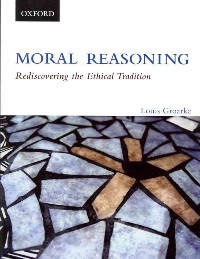
In Moral Reasoning: Rediscovering the Ethical Tradition, author Louis Groarke guides readers through a honing of their critical skills in moral analysis by providing a rich, deep, and far-reaching overview of the discipline. He offers a careful, in-depth introduction to the many schools of moral thought that have contributed to Western philosophy and to the teachings of great moral thinkers such as Confucius, Socrates, Epicurus, Aristotle, Jesus, Epictetus, Aquinas, Hobbes, Kant, Mill, and Kierkegaard. This wide-ranging text considers these many different perspectives on morality with the goal of building up one coherent, larger view. Text-wide inclusion of contemporary examples drawing on these classical ideas fosters critical reflection about today's important moral questions and encourages readers to develop their own considered views that go beyond peer pressure and ideology.
目录
Table Of Contents:
Preface ix
Acknowledgements xiii
Chapter 1 Introduction
What Is Ethics? 1(8)
To Whom Is This Book Addressed? 9(3)
This Book Presents an Alternative Account of Moral Philosophy 12(3)
This Book Is an Account of Virtue Ethics in the Spirit of Aristotle 15(4)
What Is the Purpose of Ethics? 19(3)
Questions for Study and Review 22(1)
Chapter 2 Moral Epistemology: We Can Reason About Morality
What Is Moral Epistemology? 23(1)
How Do We Reason? 24(3)
Challenges to Moral Epistemology 27(16)
The `Is-Ought' Fallacy 43(9)
Why Should I Be Moral? A Self-Interested Challenge 52(3)
Moral Philosophy Requires Objectivity and Subjectivity 55(3)
Questions for Study and Review 58(1)
Suggestions for Further Reading 59(1)
Chapter 3 The Early Tradition: From Confucius To Jesus And Beyond
Introduction 60(1)
Master Kong (Confucius): Dao 61(6)
Heraclitus: The Logos 67(1)
Democritus: Pleasure, But Not Too Much 68(2)
Diogenes the Cynic: A Man and His Barrel 70(5)
Epicurus: Refined Hedonism 75(6)
Epictetus: Things Within Your Power 81(9)
Pyrrho: Skepticism and Peace of Mind 90(7)
Protagoras: Nomos and Physis 97(4)
Jesus: Love 101(8)
Questions for Study and Review 109(1)
Suggestions for Further Reading 110(1)
Chapter 4 Socrates And Plato
Introduction 111(1)
Socratic Teachings 112(12)
Plato's Teachings 124(21)
Questions for Study and Review 145(1)
Suggestions for Further Reading 146(1)
Chapter 5 Understanding Moral Theory: Aristotle
Introduction 147(2)
On Happiness (Eudaimonia) 149(2)
On Virtue (Arete) 151(6)
On Practical Reason 157(1)
On Means and Ends 158(4)
On External Goods 162(1)
On the Good Life 163(1)
On Three Kinds of Life 164(1)
On Virtue as Habit 165(2)
On the Golden Mean 167(7)
On Morality and Choice 174(3)
On Two Moral Faults: Weakness of Will and Ignorance 177(4)
On Six Character-States 181(6)
On Five Kinds of Intelligence 187(4)
On Two Minor Intellectual Virtues 191(1)
On Moral Induction and Moral Deduction 192(4)
On Moral Approximation 196(1)
(More) On First Moral Principles 197(1)
On Slaves and Friends 198(3)
Questions for Study and Review 201(1)
Suggestions for Further Reading 201(1)
Chapter 6 Understanding Moral Theory: Thomas Aquinas
Introduction 202(1)
On Religion and Morality: The Euthyphro Problem 203(3)
On Virtue: Theological and Cardinal 206(3)
On the Cardinal Virtues 209(9)
On the Definition of Law 218(1)
On the Four Kinds of Law 219(13)
On the Principle of Double Effect 232(4)
On the Internal and External Structure of Voluntary Action 236(4)
On the Three Moral Criteria of a Good Action 240(2)
On Voluntary, Involuntary, and Non-Voluntary Acts 242(5)
A Thomistic Account of Ignorance 247(6)
Questions for Study and Review 253(1)
Suggestions for Further Reading 254(1)
Chapter 7 The Contractarians: Thomas Hobbes, John Locke, Jean-Jacques Rousseau, And Karl Marx
Introduction 255(1)
Ancient Contractarianism: The Anonymous Iamblichi 256(2)
Thomas Hobbes and the Beginnings of Modern Contractarianism 258(13)
John Locke and Two-Tiered Contractarianism 271(7)
Jean-Jacques Rousseau and the State of Nature 278(8)
Rousseau's Legacy 286(2)
Karl Marx
On Hypothetical Agreement 288(2)
On Contractarian Virtue 290(1)
Questions for Study and Review 291(1)
Suggestions for Further Reading 292(1)
Chapter 8 Kant: Duty And Moral Law
Introduction 293(1)
Kant and the Enlightenment 294(1)
On Reformation Theology 295(1)
On Duty 295(4)
Morality Derives from Pure, A Priori Reason 299(2)
On Happiness 301(1)
On Good Will 302(3)
On Imperatives: Categorical and Hypothetical 305(2)
On the Categorical Imperative: Five Universal Formulations 307(24)
On Autonomy 331(1)
Criticisms of Kant's Deontological Approach 332(5)
Questions for Study and Review 337(1)
Suggestions for Further Reading 338(1)
Chapter 9 Utilitarianism And Liberalism: Jeremy Bentham And John Stuart Mill
Introduction 339(1)
Original Utilitarianism 340(8)
Jeremy Bentham
Moral and Political Philosophy 348(39)
John Stuart Mill
Questions for Study and Review 387(1)
Suggestions for Further Reading 388(2)
Chapter 10 Contemporary Moral Theory
Anti-Theory: A Paradigm Shift in Ethics 390(2)
Kierkegaard's Transcendental Subjectivism: Becoming Yourself 392(3)
Personalism: Persons as the Most Fundamental Moral Reality 395(1)
A Feminist Ethics of Care: Nel Noddings 396(5)
Human Rights: Looking at Duty Backwards, Punishment 401(5)
Divine Command Morality 406(2)
Ecumenical Global Ethics: Agreement between Religions 408(2)
Environmental Ethics: Beyond Deep Ecology 410(4)
Contemporary Contractarianism: Rational Agreement 414(6)
Epilogue 420(1)
Questions for Study and Review 421(1)
Suggestions for Further Reading 421(1)
Glossary 422(13)
Notes 435(14)
Index 449(13)
Credits 462
Preface ix
Acknowledgements xiii
Chapter 1 Introduction
What Is Ethics? 1(8)
To Whom Is This Book Addressed? 9(3)
This Book Presents an Alternative Account of Moral Philosophy 12(3)
This Book Is an Account of Virtue Ethics in the Spirit of Aristotle 15(4)
What Is the Purpose of Ethics? 19(3)
Questions for Study and Review 22(1)
Chapter 2 Moral Epistemology: We Can Reason About Morality
What Is Moral Epistemology? 23(1)
How Do We Reason? 24(3)
Challenges to Moral Epistemology 27(16)
The `Is-Ought' Fallacy 43(9)
Why Should I Be Moral? A Self-Interested Challenge 52(3)
Moral Philosophy Requires Objectivity and Subjectivity 55(3)
Questions for Study and Review 58(1)
Suggestions for Further Reading 59(1)
Chapter 3 The Early Tradition: From Confucius To Jesus And Beyond
Introduction 60(1)
Master Kong (Confucius): Dao 61(6)
Heraclitus: The Logos 67(1)
Democritus: Pleasure, But Not Too Much 68(2)
Diogenes the Cynic: A Man and His Barrel 70(5)
Epicurus: Refined Hedonism 75(6)
Epictetus: Things Within Your Power 81(9)
Pyrrho: Skepticism and Peace of Mind 90(7)
Protagoras: Nomos and Physis 97(4)
Jesus: Love 101(8)
Questions for Study and Review 109(1)
Suggestions for Further Reading 110(1)
Chapter 4 Socrates And Plato
Introduction 111(1)
Socratic Teachings 112(12)
Plato's Teachings 124(21)
Questions for Study and Review 145(1)
Suggestions for Further Reading 146(1)
Chapter 5 Understanding Moral Theory: Aristotle
Introduction 147(2)
On Happiness (Eudaimonia) 149(2)
On Virtue (Arete) 151(6)
On Practical Reason 157(1)
On Means and Ends 158(4)
On External Goods 162(1)
On the Good Life 163(1)
On Three Kinds of Life 164(1)
On Virtue as Habit 165(2)
On the Golden Mean 167(7)
On Morality and Choice 174(3)
On Two Moral Faults: Weakness of Will and Ignorance 177(4)
On Six Character-States 181(6)
On Five Kinds of Intelligence 187(4)
On Two Minor Intellectual Virtues 191(1)
On Moral Induction and Moral Deduction 192(4)
On Moral Approximation 196(1)
(More) On First Moral Principles 197(1)
On Slaves and Friends 198(3)
Questions for Study and Review 201(1)
Suggestions for Further Reading 201(1)
Chapter 6 Understanding Moral Theory: Thomas Aquinas
Introduction 202(1)
On Religion and Morality: The Euthyphro Problem 203(3)
On Virtue: Theological and Cardinal 206(3)
On the Cardinal Virtues 209(9)
On the Definition of Law 218(1)
On the Four Kinds of Law 219(13)
On the Principle of Double Effect 232(4)
On the Internal and External Structure of Voluntary Action 236(4)
On the Three Moral Criteria of a Good Action 240(2)
On Voluntary, Involuntary, and Non-Voluntary Acts 242(5)
A Thomistic Account of Ignorance 247(6)
Questions for Study and Review 253(1)
Suggestions for Further Reading 254(1)
Chapter 7 The Contractarians: Thomas Hobbes, John Locke, Jean-Jacques Rousseau, And Karl Marx
Introduction 255(1)
Ancient Contractarianism: The Anonymous Iamblichi 256(2)
Thomas Hobbes and the Beginnings of Modern Contractarianism 258(13)
John Locke and Two-Tiered Contractarianism 271(7)
Jean-Jacques Rousseau and the State of Nature 278(8)
Rousseau's Legacy 286(2)
Karl Marx
On Hypothetical Agreement 288(2)
On Contractarian Virtue 290(1)
Questions for Study and Review 291(1)
Suggestions for Further Reading 292(1)
Chapter 8 Kant: Duty And Moral Law
Introduction 293(1)
Kant and the Enlightenment 294(1)
On Reformation Theology 295(1)
On Duty 295(4)
Morality Derives from Pure, A Priori Reason 299(2)
On Happiness 301(1)
On Good Will 302(3)
On Imperatives: Categorical and Hypothetical 305(2)
On the Categorical Imperative: Five Universal Formulations 307(24)
On Autonomy 331(1)
Criticisms of Kant's Deontological Approach 332(5)
Questions for Study and Review 337(1)
Suggestions for Further Reading 338(1)
Chapter 9 Utilitarianism And Liberalism: Jeremy Bentham And John Stuart Mill
Introduction 339(1)
Original Utilitarianism 340(8)
Jeremy Bentham
Moral and Political Philosophy 348(39)
John Stuart Mill
Questions for Study and Review 387(1)
Suggestions for Further Reading 388(2)
Chapter 10 Contemporary Moral Theory
Anti-Theory: A Paradigm Shift in Ethics 390(2)
Kierkegaard's Transcendental Subjectivism: Becoming Yourself 392(3)
Personalism: Persons as the Most Fundamental Moral Reality 395(1)
A Feminist Ethics of Care: Nel Noddings 396(5)
Human Rights: Looking at Duty Backwards, Punishment 401(5)
Divine Command Morality 406(2)
Ecumenical Global Ethics: Agreement between Religions 408(2)
Environmental Ethics: Beyond Deep Ecology 410(4)
Contemporary Contractarianism: Rational Agreement 414(6)
Epilogue 420(1)
Questions for Study and Review 421(1)
Suggestions for Further Reading 421(1)
Glossary 422(13)
Notes 435(14)
Index 449(13)
Credits 462
- 名称
- 类型
- 大小
光盘服务联系方式: 020-38250260 客服QQ:4006604884
云图客服:
用户发送的提问,这种方式就需要有位在线客服来回答用户的问题,这种 就属于对话式的,问题是这种提问是否需要用户登录才能提问
Video Player
×
Audio Player
×
pdf Player
×
