

简介
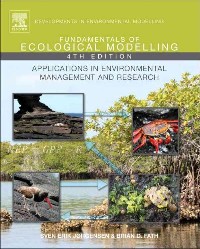
This is a thoroughly revised and updated edition of an authoritative introduction to ecological modelling. Sven Erik J?rgensen, Editor-in-Chief of the journal Ecological Modelling, and Giuseppe Bendoricchio, Professor of Environmental Modelling at the University of Padova, Italy, offer compelling insights into the subject. This volume explains the concepts and processes involved in ecological modelling, presents the latest developments in the field and provides readers with the tools to construct their own models.
The Third Edition features:
? A detailed discussion and step-by-step outline of the modelling procedure.
? An account of different model types including overview tables, examples and illustrations.
? A comprehensive presentation of the submodels and unit processes used in modelling.
? In-depth descriptions of the latest modelling techniques.
? Structured exercises at the end of each chapter.
? Three mathematical appendices and a subject index.
This practical and proven book very effectively combines the theory, methodology and applications of ecological modelling. The new edition is an essential, up-to-date guide to a rapidly growing field.
Presents the most commonly used model types with a step-by-step outline of the modeling procedure used for each Shows readers through illustrated example how to use each model in research and management settings New edition is revised to include only essential theory with a focus on applications Includes case studies, illustrations, and exercises (case study of an ecological problem with full illustration on how to solve the problem)
目录
Table Of Contents:
Author Biography xii
Preface xiii
1 Introduction 1(18)
1.1 Physical and Mathematical Models 1(2)
1.2 Models as a Management Tool 3(1)
1.3 Models as a Research Tool 4(3)
1.4 Models and Holism 7(4)
1.5 The Ecosystem as an Object for Research 11(2)
1.6 The Development of Ecological and Environmental Models 13(3)
1.7 State of the Art in the Application of Models 16(3)
2 Concepts of Modelling 19(76)
2.1 Introduction 19(1)
2.2 Modelling Elements 20(4)
2.3 The Modelling Procedure 24(7)
2.4 Verification 31(3)
2.5 Sensitivity Analysis 34(3)
2.6 Calibration 37(4)
2.7 Validation and Assessment of the Model Uncertainty 41(3)
2.8 Model Classes 44(7)
2.9 Selection of Model Complexity and Structure 51(9)
2.10 Parameter Estimation 60(18)
2.11 Ecological Modelling and Quantum Theory 78(4)
2.12 Modelling Constraints 82(10)
Problems 92(3)
3 An Overview of Different Model Types 95(26)
3.1 Introduction 95(1)
3.2 Model types --- An Overview 96(4)
3.3 Conceptual Models 100(8)
3.4 Advantages and Disadvantages of the Most Applied Model Types 108(8)
3.5 Applicability of the Different Model Types 116(2)
Problems 118(3)
4 Mediated or Institutionalized Modelling 121(8)
4.1 Introduction: Why Do We Need Mediated Modelling? 121(2)
4.2 The Institutionalized Modelling Process 123(2)
4.3 When Do You Apply Institutionalized or Mediated Modelling (IMM)? 125(2)
Problems 127(2)
5 Modelling Population Dynamics 129(30)
5.1 Introduction 129(1)
5.2 Basic Concepts 129(2)
5.3 Growth Models in Population Dynamics 131(3)
Illustration 5.1 134(1)
5.4 Interaction Between Populations 135(6)
Illustration 5.2 141(1)
Illustration 5.3 142(5)
5.5 Matrix Models 147(2)
Illustration 5.4 149(1)
5.6 Fishery Models 150(3)
5.7 Metapopulation Models 153(2)
5.8 Infection Models 155(2)
Problems 157(2)
6 Steady-State Models 159(16)
6.1 Introduction 159(1)
6.2 A Chemo state Model to Illustrate a Steady-State Biogeochemical Model 160(2)
Illustration 6.1 162(1)
6.3 Ecopath Models 162(1)
6.4 Ecological Network Analysis 163(11)
Problems 174(1)
7 Dynamic Biogeochemical Models 175(54)
7.1 Introduction 175(2)
7.2 Application of Biogeochemical Dynamic Models 177(2)
7.3 The Streeter-Phelps River BOD/DO Model, Using STELLA 179(5)
7.4 Eutrophication Models I: Simple Eutrophication Models with 2-4 State Variables 184(8)
7.5 Eutrophication Models II: A Complex Eutrophication Model 192(16)
7.6 Model of Subsurface Wetland 208(10)
7.7 Global Warming Model 218(7)
Problems 225(4)
8 Ecotoxicological Models 229(62)
8.1 Classification and Application of Ecotoxicological Models 229(4)
8.2 Environmental Risk Assessment 233(11)
8.3 Characteristics and Structure of Ecotoxicological Models 244(14)
8.4 An Overview: The Application of Models in Ecotoxicology 258(3)
8.5 Estimation of Ecotoxicological Parameters 261(10)
8.6 Ecotoxicological Case Study I: Modelling the Distribution of Chromium in a Danish Fjord 271(7)
8.7 Ecotoxicological Case Study II: Contamination of Agricultural Products by Cadmium and Lead 278(6)
8.8 Fugacity Fate Models 284(3)
Illustration 8.1 287(1)
Illustration 8.2 288(3)
9 Individual-Based Models 291(18)
9.1 History of Individual-Based Models 291(2)
9.2 Designing Individual-Based Models 293(1)
9.3 Emergent versus Imposed Behaviors 294(1)
9.4 Orientors 295(2)
9.5 Implementing Individual-Based Models 297(2)
9.6 Pattern-Oriented Modelling 299(2)
9.7 Individual-Based Models for Parameterizing Models 301(1)
9.8 Individual-Based Models and Spatial Models 302(2)
9.9 Example 304(4)
9.10 Conclusions 308(1)
Problems 308(1)
10 Structurally Dynamic Models 309(38)
10.1 Introduction 309(1)
10.2 Ecosystem Characteristics 310(11)
10.3 How to Construct Structurally Dynamic Models and Definitions of Exergy and Eco-exergy 321(12)
10.4 Development of Structurally Dynamic Models for Darwin's Finches 333(2)
10.5 Biomanipulation 335(8)
10.6 An Ecotoxicological Structurally Dynamic Models Example 343(3)
Problems 346(1)
11 Spatial Modelling 347(22)
11.1 Introduction 347(6)
11.2 Spatial Ecological Models: The Early Days 353(3)
11.3 Spatial Ecological Models: State-of-the-Art 356(12)
Problems 368(1)
References 369(16)
Index 385
Author Biography xii
Preface xiii
1 Introduction 1(18)
1.1 Physical and Mathematical Models 1(2)
1.2 Models as a Management Tool 3(1)
1.3 Models as a Research Tool 4(3)
1.4 Models and Holism 7(4)
1.5 The Ecosystem as an Object for Research 11(2)
1.6 The Development of Ecological and Environmental Models 13(3)
1.7 State of the Art in the Application of Models 16(3)
2 Concepts of Modelling 19(76)
2.1 Introduction 19(1)
2.2 Modelling Elements 20(4)
2.3 The Modelling Procedure 24(7)
2.4 Verification 31(3)
2.5 Sensitivity Analysis 34(3)
2.6 Calibration 37(4)
2.7 Validation and Assessment of the Model Uncertainty 41(3)
2.8 Model Classes 44(7)
2.9 Selection of Model Complexity and Structure 51(9)
2.10 Parameter Estimation 60(18)
2.11 Ecological Modelling and Quantum Theory 78(4)
2.12 Modelling Constraints 82(10)
Problems 92(3)
3 An Overview of Different Model Types 95(26)
3.1 Introduction 95(1)
3.2 Model types --- An Overview 96(4)
3.3 Conceptual Models 100(8)
3.4 Advantages and Disadvantages of the Most Applied Model Types 108(8)
3.5 Applicability of the Different Model Types 116(2)
Problems 118(3)
4 Mediated or Institutionalized Modelling 121(8)
4.1 Introduction: Why Do We Need Mediated Modelling? 121(2)
4.2 The Institutionalized Modelling Process 123(2)
4.3 When Do You Apply Institutionalized or Mediated Modelling (IMM)? 125(2)
Problems 127(2)
5 Modelling Population Dynamics 129(30)
5.1 Introduction 129(1)
5.2 Basic Concepts 129(2)
5.3 Growth Models in Population Dynamics 131(3)
Illustration 5.1 134(1)
5.4 Interaction Between Populations 135(6)
Illustration 5.2 141(1)
Illustration 5.3 142(5)
5.5 Matrix Models 147(2)
Illustration 5.4 149(1)
5.6 Fishery Models 150(3)
5.7 Metapopulation Models 153(2)
5.8 Infection Models 155(2)
Problems 157(2)
6 Steady-State Models 159(16)
6.1 Introduction 159(1)
6.2 A Chemo state Model to Illustrate a Steady-State Biogeochemical Model 160(2)
Illustration 6.1 162(1)
6.3 Ecopath Models 162(1)
6.4 Ecological Network Analysis 163(11)
Problems 174(1)
7 Dynamic Biogeochemical Models 175(54)
7.1 Introduction 175(2)
7.2 Application of Biogeochemical Dynamic Models 177(2)
7.3 The Streeter-Phelps River BOD/DO Model, Using STELLA 179(5)
7.4 Eutrophication Models I: Simple Eutrophication Models with 2-4 State Variables 184(8)
7.5 Eutrophication Models II: A Complex Eutrophication Model 192(16)
7.6 Model of Subsurface Wetland 208(10)
7.7 Global Warming Model 218(7)
Problems 225(4)
8 Ecotoxicological Models 229(62)
8.1 Classification and Application of Ecotoxicological Models 229(4)
8.2 Environmental Risk Assessment 233(11)
8.3 Characteristics and Structure of Ecotoxicological Models 244(14)
8.4 An Overview: The Application of Models in Ecotoxicology 258(3)
8.5 Estimation of Ecotoxicological Parameters 261(10)
8.6 Ecotoxicological Case Study I: Modelling the Distribution of Chromium in a Danish Fjord 271(7)
8.7 Ecotoxicological Case Study II: Contamination of Agricultural Products by Cadmium and Lead 278(6)
8.8 Fugacity Fate Models 284(3)
Illustration 8.1 287(1)
Illustration 8.2 288(3)
9 Individual-Based Models 291(18)
9.1 History of Individual-Based Models 291(2)
9.2 Designing Individual-Based Models 293(1)
9.3 Emergent versus Imposed Behaviors 294(1)
9.4 Orientors 295(2)
9.5 Implementing Individual-Based Models 297(2)
9.6 Pattern-Oriented Modelling 299(2)
9.7 Individual-Based Models for Parameterizing Models 301(1)
9.8 Individual-Based Models and Spatial Models 302(2)
9.9 Example 304(4)
9.10 Conclusions 308(1)
Problems 308(1)
10 Structurally Dynamic Models 309(38)
10.1 Introduction 309(1)
10.2 Ecosystem Characteristics 310(11)
10.3 How to Construct Structurally Dynamic Models and Definitions of Exergy and Eco-exergy 321(12)
10.4 Development of Structurally Dynamic Models for Darwin's Finches 333(2)
10.5 Biomanipulation 335(8)
10.6 An Ecotoxicological Structurally Dynamic Models Example 343(3)
Problems 346(1)
11 Spatial Modelling 347(22)
11.1 Introduction 347(6)
11.2 Spatial Ecological Models: The Early Days 353(3)
11.3 Spatial Ecological Models: State-of-the-Art 356(12)
Problems 368(1)
References 369(16)
Index 385
- 名称
- 类型
- 大小
光盘服务联系方式: 020-38250260 客服QQ:4006604884
云图客服:
用户发送的提问,这种方式就需要有位在线客服来回答用户的问题,这种 就属于对话式的,问题是这种提问是否需要用户登录才能提问
Video Player
×
Audio Player
×
pdf Player
×
