

简介
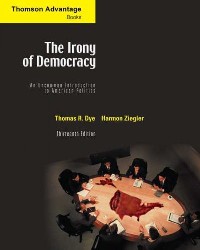
The elites and not the masses govern our country is the theme of this affordable CENGAGE ADVANTAGE BOOKS version ofTHE IRONY OF DEMOCRACY. Known for its "elitist approach" to American Government, this text presents its argument in a new context--the politics of the 21st century--including the Clinton and Bush Administrations effects on government and politics the U.S.
目录
Table Of Contents:
To the Student xv
To the Instructor xvii
The Irony of Democracy 1(22)
The Meaning of Elitism 2(3)
The Meaning of Democracy 5(1)
Elitism in a Democracy 6(5)
Focus: Mass Distrust of America's Elite 8(3)
The Meaning of Pluralism 11(2)
How Elitism and Pluralism Differ 13(1)
Elite and Mass Threats to Democracy 14(6)
Focus: Mass Views of Elite Governance 17(1)
Focus: Terrorism's Threat to Democracy 18(2)
An Elitist Theory of Democracy 20(3)
Notes 21(1)
Selected Readings 22(1)
The Founding Fathers: The Nation's First Elite 23(34)
Elites and Masses in the New Nation 24(1)
Elite Preferences: Inspiration for a New Constitution 25(4)
Formation of a National Elite 29(4)
Elite Consensus in 1787 33(2)
An Elite in Operation: Conciliation and Compromise 35(4)
The Constitution as Elitist Document 39(5)
Elitism and the Structure of the National Government 44(6)
Focus: James Madison: Suppressing Majority ``Factions'' 48(2)
Ratification: An Exercise in Elite Political Skills 50(7)
Summary 53(1)
Notes 54(1)
Selected Readings 54(3)
The Evolution of American Elites 57(32)
Hamilton and the Nation's First Public Policies 58(2)
Focus: Mass Ignorance of American Political History 59(1)
Rise of the Jeffersonians 60(2)
Republicans in Power: The Stability of Public Policy 62(2)
Rise of the Western Elites 64(1)
Elite Cleavage: The Civil War 65(4)
Rise of the New Industrial Elite 69(5)
Liberal Establishment: Reform as Elite Self-Interest 74(2)
Vietnam: Elite Failure to Lead 76(4)
The Gulf War: Elite Leadership Restored 80(2)
Iraq: Elite Objectives Unclear 82(7)
Summary 84(2)
Notes 86(1)
Selected Readings 86(3)
Elites in America 89(30)
The Concentration of Corporate Power 90(3)
The Global Elites 93(7)
Focus: Corporate Merger Mania 94(6)
Corporate Elites 100(1)
Government Elites 101(6)
Focus: Greed in the Boardroom 102(2)
Focus: The Bush Restoration 104(3)
Elite Policy-Making Institutions 107(1)
Elite Recruitment: Getting to the Top 107(4)
The Liberal Establishment 111(1)
Conservative Restraint 112(7)
Focus: Elite Attitudes Toward Mass Governance 113(1)
Summary 114(1)
Notes 115(1)
Selected Readings 116(3)
Masses in America 119(32)
Elite Gains, Mass Losses 120(6)
Inequality in America 126(2)
Mass Disaffection from Politics 128(3)
Antidemocratic Attitudes Among the Masses 131(4)
Focus: Rally 'Round the Flag, 9/11 131(4)
Are the Masses Becoming More Democratic? 135(2)
Mass Political Ignorance 137(4)
Focus: Mass Confidence in American Institutions 138(3)
Mass Political Apathy 141(1)
The Dangers of Mass Activism 142(3)
Elite Repression 145(6)
Summary 148(1)
Notes 149(1)
Selected Readings 150(1)
Elite-Mass Communication 151(28)
The News Makers 151(4)
The Media's Political Functions 155(3)
Bashing America for Fun and Profit 158(3)
Liberal Bias in Television News 161(3)
Focus: The Hollywood Liberals 161(3)
Focus: Cracks in the Media Elite? 164(1)
Bias and Slander: Freedoms of the Press 164(2)
Media Campaigns 166(4)
Media Coverage of Presidential Elections 170(1)
Assessing Media Impact 171(8)
Summary 175(1)
Notes 176(1)
Selected Readings 176(3)
Political Parties and Ideologies 179(24)
The Responsible Party Model in Disarray 180(1)
Democratic and Republican Parties: What's the Difference? 181(3)
Liberal and Conservative Labels 184(3)
Declining Mass Attachments to Parties 187(1)
Realignment or Dealignment? 187(4)
Focus: Mass Perceptions of the Parties 190(1)
Presidential Primaries and the Deterioration of Parties 191(4)
Focus: The Democratic Presidential Primaries, 2004 194(1)
Political Parties as Oligarchies 195(3)
Focus: Where the Parties Get Their Money 197(1)
Independent and Third-Party Politics 198(5)
Summary 201(1)
Notes 202(1)
Selected Readings 202(1)
Elections, Money, and the Myths of Democracy 203(30)
The Myth of the Policy Mandate 204(1)
The Myth of the Policy-Oriented Voter 205(1)
The Group Basis of Voting 206(2)
The Economic Basis of Voting 208(1)
Candidate Image Voting 209(1)
Focus: Images of Bush and Kerry, 2004 210(1)
Money Drives Elections 210(9)
Focus: Dirty Politics 211(7)
Focus: How Fat Cats Evade Campaign Finance Reform 218(1)
Democracy Versus the Electoral College 219(5)
Focus: Bush Versus Kerry, 2004 220(3)
Focus: Values and the Vote 223(1)
Staying Home on Election Day 224(2)
Elections as Symbolic Reassurance 226(7)
Summary 230(1)
Notes 231(1)
Selected Readings 232(1)
Organized Interests: Defenders of the Status Quo 233(20)
Interest Groups: Democratic or Elitist? 234(1)
The Business, Professional, and Class Bias of Interest Groups 235(4)
How Well Do Groups Represent Members? 239(4)
Focus: Leaders and Followers---The American Association of Retired Persons 241(2)
Lobbying: How Organized Interests Influence Government 243(4)
Focus: Washington's Most Powerful Lobbies 246(1)
PAC Power 247(1)
Conservative Influence of Organizations 248(5)
Focus: Payback: Money and Prescription Drugs 250(1)
Summary 250(1)
Notes 251(1)
Selected Readings 252(1)
The Presidency 253(36)
The President as Symbolic Leader 253(3)
The Presidency and the Masses 256(4)
Focus: Rating Presidents 259(1)
The President's Formal Powers 260(6)
Commander in Chief 266(5)
Intelligence and the Presidency 271(3)
The Clinton Legacy 274(6)
Focus: Sex, Lies, and Impeachment 279(1)
George W., in His Father's Footsteps 280(4)
Watergate and the Limits of Presidential Power 284(5)
Summary 286(1)
Notes 287(1)
Selected Readings 287(2)
The Bureaucratic Elite 289(34)
Sources of Bureaucratic Power 290(2)
Focus: Mass Attitudes Toward Washington Bureaucracies 292(1)
Organization of the Washington Bureaucracy 292(3)
Presidential Control of the Bureaucracy 295(4)
Focus: Bureaucratic Maneuvers 298(1)
The Budget Maze 299(4)
Elite Fiscal Responsibility? 303(4)
Tax Politics 307(1)
Bureaucratic Power, Iron Triangles, and Revolving Doors 308(4)
The Regulatory Quagmire 312(5)
Focus: The Fed: Money Is Too Important to Be Left to Elected Officials 312(5)
Controlling the Bureaucracy: Congress and the Courts 317(6)
Summary 319(1)
Notes 320(1)
Selected Readings 320(3)
Congress: The Legislative Elite 323(36)
The Elite Bias of Congressional Recruitment 324(7)
Focus: Nancy Pelosi, House Democratic Leader 328(3)
Whom Does Congress Really Represent? 331(2)
Congress in Disrepute 333(4)
The Elaborate Procedures of Legislative Elites 337(7)
Elites Within Elites: The Congressional Establishment 344(4)
Conflict and Consensus: Voting in Congress 348(4)
Focus: Bill Frist, M.D., Leading the Senate 351(1)
Congress and the President: An Unstable Balance of Power 352(7)
Focus: Is ``Congressional Ethics'' an Oxymoron? 353(4)
Summary 357(1)
Notes 357(1)
Selected Readings 358(1)
Courts: Elites in Black Robes 359(26)
Judicial Review as an Elitist Principle 360(1)
The Making of a Supreme Court Justice 361(3)
Focus: Senate Confirmation as Sleazy Spectacle 364(1)
The Special Style of Judicial Policy Making 364(3)
The Structure of the Federal Court System 367(3)
The Jurisdiction of the Federal Court System 370(1)
Judicial Power: Activism versus Self-Restraint 371(4)
Focus: ``Make It a Federal Crime!'' 372(3)
Supreme Court Politics 375(5)
Focus: The Supreme Court Chooses a President 376(2)
Focus: The Supreme Court and Abortion 378(2)
Do the Courts Rule the Nation? 380(5)
Summary 381(1)
Notes 382(1)
Selected Readings 383(2)
American Federalism: Elites in States and Communities 385(26)
Federalism: The Original Division of Power Between Nation and States 386(3)
Power Flows to the National Elite 389(2)
Money and Power 391(1)
The Evolution of American Federalism 391(4)
Devolution: Federalism Revived? 395(2)
Mass Influence in the States 397(4)
Focus: Arnold: From Bodybuilder to Superstar to Governor 400(1)
Elite Structures in the States 401(3)
Focus: Corporate Elite Structures in the States 403(1)
The Old-Community Economic Elites 404(1)
The New-Community Political Elites 405(6)
Summary 407(1)
Notes 408(1)
Selected Readings 409(2)
Elite Response to Mass Protest 411(28)
The History of Black Subjugation 412(2)
Twentieth-Century Elite Attitude Change 414(3)
Creative Disorder 417(2)
Racial Inequality and Affirmative Action 419(6)
Focus: ``Diversity'' in Higher Education 423(2)
Elite Versus Mass Response to Civil Rights 425(1)
Feminism in America 426(3)
Women and Work 429(3)
Feminism and Elitism 432(7)
Focus: Elites, Masses, and Sexual Harassment 434(2)
Summary 436(1)
Notes 437(1)
Selected Readings 437(2)
Public Policy: How Elites Make Decisions 439(10)
Public Policy as Elite Preference 439(7)
Focus: The Elite Think Tanks 444(2)
Agenda Setting and ``Nondecisions'' 446(3)
Summary 447(1)
Selected Readings 448(1)
Epilogue What Can Students Do? 449(4)
Appendix The Constitution of the United States of America 453(22)
Index 475
To the Student xv
To the Instructor xvii
The Irony of Democracy 1(22)
The Meaning of Elitism 2(3)
The Meaning of Democracy 5(1)
Elitism in a Democracy 6(5)
Focus: Mass Distrust of America's Elite 8(3)
The Meaning of Pluralism 11(2)
How Elitism and Pluralism Differ 13(1)
Elite and Mass Threats to Democracy 14(6)
Focus: Mass Views of Elite Governance 17(1)
Focus: Terrorism's Threat to Democracy 18(2)
An Elitist Theory of Democracy 20(3)
Notes 21(1)
Selected Readings 22(1)
The Founding Fathers: The Nation's First Elite 23(34)
Elites and Masses in the New Nation 24(1)
Elite Preferences: Inspiration for a New Constitution 25(4)
Formation of a National Elite 29(4)
Elite Consensus in 1787 33(2)
An Elite in Operation: Conciliation and Compromise 35(4)
The Constitution as Elitist Document 39(5)
Elitism and the Structure of the National Government 44(6)
Focus: James Madison: Suppressing Majority ``Factions'' 48(2)
Ratification: An Exercise in Elite Political Skills 50(7)
Summary 53(1)
Notes 54(1)
Selected Readings 54(3)
The Evolution of American Elites 57(32)
Hamilton and the Nation's First Public Policies 58(2)
Focus: Mass Ignorance of American Political History 59(1)
Rise of the Jeffersonians 60(2)
Republicans in Power: The Stability of Public Policy 62(2)
Rise of the Western Elites 64(1)
Elite Cleavage: The Civil War 65(4)
Rise of the New Industrial Elite 69(5)
Liberal Establishment: Reform as Elite Self-Interest 74(2)
Vietnam: Elite Failure to Lead 76(4)
The Gulf War: Elite Leadership Restored 80(2)
Iraq: Elite Objectives Unclear 82(7)
Summary 84(2)
Notes 86(1)
Selected Readings 86(3)
Elites in America 89(30)
The Concentration of Corporate Power 90(3)
The Global Elites 93(7)
Focus: Corporate Merger Mania 94(6)
Corporate Elites 100(1)
Government Elites 101(6)
Focus: Greed in the Boardroom 102(2)
Focus: The Bush Restoration 104(3)
Elite Policy-Making Institutions 107(1)
Elite Recruitment: Getting to the Top 107(4)
The Liberal Establishment 111(1)
Conservative Restraint 112(7)
Focus: Elite Attitudes Toward Mass Governance 113(1)
Summary 114(1)
Notes 115(1)
Selected Readings 116(3)
Masses in America 119(32)
Elite Gains, Mass Losses 120(6)
Inequality in America 126(2)
Mass Disaffection from Politics 128(3)
Antidemocratic Attitudes Among the Masses 131(4)
Focus: Rally 'Round the Flag, 9/11 131(4)
Are the Masses Becoming More Democratic? 135(2)
Mass Political Ignorance 137(4)
Focus: Mass Confidence in American Institutions 138(3)
Mass Political Apathy 141(1)
The Dangers of Mass Activism 142(3)
Elite Repression 145(6)
Summary 148(1)
Notes 149(1)
Selected Readings 150(1)
Elite-Mass Communication 151(28)
The News Makers 151(4)
The Media's Political Functions 155(3)
Bashing America for Fun and Profit 158(3)
Liberal Bias in Television News 161(3)
Focus: The Hollywood Liberals 161(3)
Focus: Cracks in the Media Elite? 164(1)
Bias and Slander: Freedoms of the Press 164(2)
Media Campaigns 166(4)
Media Coverage of Presidential Elections 170(1)
Assessing Media Impact 171(8)
Summary 175(1)
Notes 176(1)
Selected Readings 176(3)
Political Parties and Ideologies 179(24)
The Responsible Party Model in Disarray 180(1)
Democratic and Republican Parties: What's the Difference? 181(3)
Liberal and Conservative Labels 184(3)
Declining Mass Attachments to Parties 187(1)
Realignment or Dealignment? 187(4)
Focus: Mass Perceptions of the Parties 190(1)
Presidential Primaries and the Deterioration of Parties 191(4)
Focus: The Democratic Presidential Primaries, 2004 194(1)
Political Parties as Oligarchies 195(3)
Focus: Where the Parties Get Their Money 197(1)
Independent and Third-Party Politics 198(5)
Summary 201(1)
Notes 202(1)
Selected Readings 202(1)
Elections, Money, and the Myths of Democracy 203(30)
The Myth of the Policy Mandate 204(1)
The Myth of the Policy-Oriented Voter 205(1)
The Group Basis of Voting 206(2)
The Economic Basis of Voting 208(1)
Candidate Image Voting 209(1)
Focus: Images of Bush and Kerry, 2004 210(1)
Money Drives Elections 210(9)
Focus: Dirty Politics 211(7)
Focus: How Fat Cats Evade Campaign Finance Reform 218(1)
Democracy Versus the Electoral College 219(5)
Focus: Bush Versus Kerry, 2004 220(3)
Focus: Values and the Vote 223(1)
Staying Home on Election Day 224(2)
Elections as Symbolic Reassurance 226(7)
Summary 230(1)
Notes 231(1)
Selected Readings 232(1)
Organized Interests: Defenders of the Status Quo 233(20)
Interest Groups: Democratic or Elitist? 234(1)
The Business, Professional, and Class Bias of Interest Groups 235(4)
How Well Do Groups Represent Members? 239(4)
Focus: Leaders and Followers---The American Association of Retired Persons 241(2)
Lobbying: How Organized Interests Influence Government 243(4)
Focus: Washington's Most Powerful Lobbies 246(1)
PAC Power 247(1)
Conservative Influence of Organizations 248(5)
Focus: Payback: Money and Prescription Drugs 250(1)
Summary 250(1)
Notes 251(1)
Selected Readings 252(1)
The Presidency 253(36)
The President as Symbolic Leader 253(3)
The Presidency and the Masses 256(4)
Focus: Rating Presidents 259(1)
The President's Formal Powers 260(6)
Commander in Chief 266(5)
Intelligence and the Presidency 271(3)
The Clinton Legacy 274(6)
Focus: Sex, Lies, and Impeachment 279(1)
George W., in His Father's Footsteps 280(4)
Watergate and the Limits of Presidential Power 284(5)
Summary 286(1)
Notes 287(1)
Selected Readings 287(2)
The Bureaucratic Elite 289(34)
Sources of Bureaucratic Power 290(2)
Focus: Mass Attitudes Toward Washington Bureaucracies 292(1)
Organization of the Washington Bureaucracy 292(3)
Presidential Control of the Bureaucracy 295(4)
Focus: Bureaucratic Maneuvers 298(1)
The Budget Maze 299(4)
Elite Fiscal Responsibility? 303(4)
Tax Politics 307(1)
Bureaucratic Power, Iron Triangles, and Revolving Doors 308(4)
The Regulatory Quagmire 312(5)
Focus: The Fed: Money Is Too Important to Be Left to Elected Officials 312(5)
Controlling the Bureaucracy: Congress and the Courts 317(6)
Summary 319(1)
Notes 320(1)
Selected Readings 320(3)
Congress: The Legislative Elite 323(36)
The Elite Bias of Congressional Recruitment 324(7)
Focus: Nancy Pelosi, House Democratic Leader 328(3)
Whom Does Congress Really Represent? 331(2)
Congress in Disrepute 333(4)
The Elaborate Procedures of Legislative Elites 337(7)
Elites Within Elites: The Congressional Establishment 344(4)
Conflict and Consensus: Voting in Congress 348(4)
Focus: Bill Frist, M.D., Leading the Senate 351(1)
Congress and the President: An Unstable Balance of Power 352(7)
Focus: Is ``Congressional Ethics'' an Oxymoron? 353(4)
Summary 357(1)
Notes 357(1)
Selected Readings 358(1)
Courts: Elites in Black Robes 359(26)
Judicial Review as an Elitist Principle 360(1)
The Making of a Supreme Court Justice 361(3)
Focus: Senate Confirmation as Sleazy Spectacle 364(1)
The Special Style of Judicial Policy Making 364(3)
The Structure of the Federal Court System 367(3)
The Jurisdiction of the Federal Court System 370(1)
Judicial Power: Activism versus Self-Restraint 371(4)
Focus: ``Make It a Federal Crime!'' 372(3)
Supreme Court Politics 375(5)
Focus: The Supreme Court Chooses a President 376(2)
Focus: The Supreme Court and Abortion 378(2)
Do the Courts Rule the Nation? 380(5)
Summary 381(1)
Notes 382(1)
Selected Readings 383(2)
American Federalism: Elites in States and Communities 385(26)
Federalism: The Original Division of Power Between Nation and States 386(3)
Power Flows to the National Elite 389(2)
Money and Power 391(1)
The Evolution of American Federalism 391(4)
Devolution: Federalism Revived? 395(2)
Mass Influence in the States 397(4)
Focus: Arnold: From Bodybuilder to Superstar to Governor 400(1)
Elite Structures in the States 401(3)
Focus: Corporate Elite Structures in the States 403(1)
The Old-Community Economic Elites 404(1)
The New-Community Political Elites 405(6)
Summary 407(1)
Notes 408(1)
Selected Readings 409(2)
Elite Response to Mass Protest 411(28)
The History of Black Subjugation 412(2)
Twentieth-Century Elite Attitude Change 414(3)
Creative Disorder 417(2)
Racial Inequality and Affirmative Action 419(6)
Focus: ``Diversity'' in Higher Education 423(2)
Elite Versus Mass Response to Civil Rights 425(1)
Feminism in America 426(3)
Women and Work 429(3)
Feminism and Elitism 432(7)
Focus: Elites, Masses, and Sexual Harassment 434(2)
Summary 436(1)
Notes 437(1)
Selected Readings 437(2)
Public Policy: How Elites Make Decisions 439(10)
Public Policy as Elite Preference 439(7)
Focus: The Elite Think Tanks 444(2)
Agenda Setting and ``Nondecisions'' 446(3)
Summary 447(1)
Selected Readings 448(1)
Epilogue What Can Students Do? 449(4)
Appendix The Constitution of the United States of America 453(22)
Index 475
- 名称
- 类型
- 大小
光盘服务联系方式: 020-38250260 客服QQ:4006604884
云图客服:
用户发送的提问,这种方式就需要有位在线客服来回答用户的问题,这种 就属于对话式的,问题是这种提问是否需要用户登录才能提问
Video Player
×
Audio Player
×
pdf Player
×
