

简介
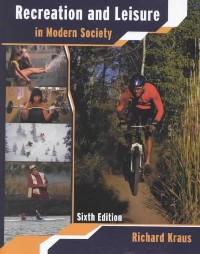
Written for use in undergraduate courses on recreation, parks, and leisure studies, this textbook emphasizes the impact of population shifts, new technologies, and the widening gap between rich and poor. The book outlines the history and current state of recreation and leisure, and provides an introduction to basic concepts. It examines sociological influences, such as social values, age group factors, race, ethnicity, and gender, as well as exploring the social function of community recreation. Numerous types of recreation agencies are discussed, including governmental, nonprofit, commercial, and specialized leisure-service areas. Kraus is an emeritus professor at Temple University. Annotation c. Book News, Inc., Portland, OR (booknews.com)
目录
Preface p. xiii
Recreation and Leisure: The Current Scene p. 1
Introduction p. 1
Varied Views of Recreation and Leisure p. 2
Social Factors Promoting the Recreation and Park Movement p. 3
Challenges Facing the Leisure-Service Field p. 19
Purposes of This Text p. 20
Summary p. 21
Questions for Class Discussion or Essay Examinations p. 21
Endnotes p. 21
Basic Concepts: Philosophical Analysis of Play, Recreation, and Leisure p. 23
Introduction p. 23
The Meaning of Play p. 24
Early Theories of Play p. 24
Twentieth-Century Concepts of Play p. 26
Psychological Analysis of Play p. 29
The Meaning of Leisure: Six Views p. 32
The Meaning of Recreation p. 38
Contemporary Definitions p. 38
Relationships among Play, Leisure, and Recreation p. 45
Summary p. 46
Questions for Class Discussion or Essay Examinations p. 47
Endnotes p. 47
Early History of Recreation and Leisure p. 49
Introduction p. 49
The Play of Early Societies p. 50
Recreation and Leisure in Pre-Christian Civilizations p. 53
Early Christian Era: Dark and Middle Ages p. 57
The Renaissance p. 60
Influence of the Protestant Reformation p. 61
Development of Parks and Recreation Areas p. 62
Recreation in America: The Colonial Period p. 64
Nineteenth Century Changes: Impact of Industrial Revolution p. 67
Growth of Popular Participation in Recreation p. 69
Changing Attitudes toward Play p. 71
Growth of Commercial Amusements p. 72
The Beginning Recreation Movement p. 73
Effects of Racial and Ethnic Discrimination p. 79
Recreation and Parks: Early Twentieth Century p. 80
Emergence of the Recreation Movement: Three Pioneers p. 80
Emerging New Lifestyles p. 82
Public Concerns about the Use of Leisure p. 83
Major Forces Promoting Organized Recreation Services p. 85
Role of the Schools p. 86
Impact of the Great Depression p. 87
A Nation at War p. 89
Summary p. 89
Questions for Class Discussion or Essay Examinations p. 91
Endnotes p. 91
Recreation and Leisure in the Modern Era p. 93
Introduction p. 93
Post-World War II Expectations p. 94
Expansion of Recreation and Leisure p. 94
Trends in Program Sponsorship p. 95
Counterculture: Youth in Rebellion p. 101
Drives for Equality by Disadvantaged Groups p. 104
Era of Austerity and Fiscal Cutbacks p. 106
Expansion of Other Recreation Programs p. 109
Trends in the 1990s p. 110
Summary p. 120
Questions for Class Discussion or Essay Examinations p. 120
Endnotes p. 121
Personal Leisure Perspectives: Motivations, Values, and Age Group Factors p. 123
Introduction p. 123
Motivations for Recreational Participation p. 124
Personal Values of Recreational Involvement p. 126
Play as Emotional Release p. 131
Social Values of Recreation p. 133
Intellectual Values of Recreation p. 135
Spiritual Values of Recreation and Leisure p. 137
Recreation as an Integrative Experience: Holistic Wellness p. 137
Influence of Demographic Factors: Age Groupings p. 138
Play in the Lives of Children p. 140
Recreation in the Lives of Adolescents p. 143
Adult Leisure Needs and Involvements p. 147
Recreation and the Elderly p. 150
Summary p. 153
Questions for Class Discussion or Essay Examinations p. 154
Endnotes p. 155
Gender and Racial/Ethnic Factors Affecting Leisure p. 157
Introduction p. 157
Gender Factors Influencing Leisure p. 158
Impact of Feminist Movement p. 159
Men and Leisure p. 163
Homosexuality and Leisure p. 166
Influence of Race and Ethnicity p. 169
A Final Concern: Whites as Minority Group Members p. 177
Progress in the New Millennium p. 178
Summary p. 179
Questions for Class Discussion or Essay Examinations p. 180
Endnotes p. 181
Social Functions of Community Recreation p. 183
Introduction p. 183
New Emphasis on Community Benefits p. 184
Enriching the Quality of Life p. 186
Contributing to Personal Development p. 186
Making the Community a More Attractive Place to Live p. 188
Preventing Antisocial Uses of Leisure p. 191
Improving Intergroup and Intergenerational Relations p. 194
Strengthening Neighborhood and Community Ties p. 195
Meeting the Needs of Special Populations p. 198
Maintaining Economic Health and Community Stability p. 199
Enriching Community Cultural Life p. 201
Promoting Health and Safety p. 203
Need for a Coherent Philosophy of Service p. 205
Summary p. 205
Questions for Class Discussion or Essay Examinations p. 206
Endnotes p. 206
The Leisure-Service System: Governmental, Nonprofit, and Commercial Recreation Agencies p. 209
Introduction p. 209
Key Elements in the Leisure-Service System p. 210
Government Recreation, Park, and Leisure Services p. 210
Recreation-Related Functions of State Governments p. 217
The Role of County and Local Governments p. 219
Municipal Recreation and Park Departments p. 221
Public Recreation and Parks in Canada p. 227
Nonprofit Organizations: The Voluntary Sector p. 228
Types of Nonprofit Youth-Serving Agencies p. 230
Significance of Nonprofit Organizations p. 238
Commercial Recreation p. 239
Differences and Similarities among Agencies p. 242
Partnerships among Major Leisure-Service Agencies p. 244
Summary p. 245
Questions for Class Discussion or Essay Examinations p. 246
Endnotes p. 247
Specialized Leisure-Service Areas p. 248
Introduction p. 248
Therapeutic Recreation Service p. 249
Armed Forces Recreation p. 258
Employee Services and Recreation Programs p. 263
Campus Recreation p. 269
Private-Membership Recreation Organizations p. 276
Comparisons among Special-Focus Agencies p. 280
Summary p. 281
Questions for Class Discussion or Essay Examinations p. 282
Endnotes p. 282
Two Major Leisure-Service Components: Sports and Tourism p. 285
Introduction p. 285
Sports as Popular Recreation p. 286
Patterns of Sports Involvement p. 287
Levels of Sports Competition p. 287
Religious Implications of Sports p. 289
Historical Evolution of Sports p. 290
Sports as a Source of Moral Values p. 291
Abuses and Problems of Sports Competition p. 291
Decline of Public Interest p. 292
Future Trends in Sport p. 293
Travel and Tourism p. 296
Scope of Tourism p. 296
Major Areas of Tourism Services p. 298
Theme Parks and Water Parks p. 298
Other Fun Centers p. 300
Cruise Ships p. 301
Other Tourism Themes p. 303
Marketing Advances in Travel and Tourism p. 308
Summary p. 309
Questions for Class Discussion or Essay Examinations p. 309
Endnotes p. 310
Career Opportunities and Professionalism p. 312
Introduction p. 312
Recreation as a Career p. 313
Professional Identification in Recreation p. 317
Social Value and Purpose p. 317
Public Recognition p. 318
Specialized Professional Preparation p. 319
Existence of a Professional Culture p. 322
Credentialing, Standards for Screening Personnel p. 326
Code of Ethical Practice p. 333
Agency Accreditation Process p. 334
Current Level of Professional Status p. 335
Summary p. 336
Questions for Class Discussion or Essay Examinations p. 336
Endnotes p. 337
Philosophy of Recreation and Leisure: Future Perspectives p. 338
Introduction p. 338
Need for a Sound Philosophical Basis p. 339
Philosophical Analyses of Recreation and Leisure p. 341
Operational Philosophies of Recreation and Leisure p. 343
Key Principles Guiding Leisure-Service Delivery Today p. 352
Other Guidelines p. 354
Facing the Challenge of the Future p. 356
Efforts to Predict the Future p. 357
Challenges and Strategies for the Future p. 358
Ever-Growing Leisure Involvements: A Caution p. 364
Prospects for the Future p. 365
Summary p. 365
Questions for Class Discussion or Essay Examinations p. 366
Endnotes p. 366
Bibliography p. 369
Index p. 372
Recreation and Leisure: The Current Scene p. 1
Introduction p. 1
Varied Views of Recreation and Leisure p. 2
Social Factors Promoting the Recreation and Park Movement p. 3
Challenges Facing the Leisure-Service Field p. 19
Purposes of This Text p. 20
Summary p. 21
Questions for Class Discussion or Essay Examinations p. 21
Endnotes p. 21
Basic Concepts: Philosophical Analysis of Play, Recreation, and Leisure p. 23
Introduction p. 23
The Meaning of Play p. 24
Early Theories of Play p. 24
Twentieth-Century Concepts of Play p. 26
Psychological Analysis of Play p. 29
The Meaning of Leisure: Six Views p. 32
The Meaning of Recreation p. 38
Contemporary Definitions p. 38
Relationships among Play, Leisure, and Recreation p. 45
Summary p. 46
Questions for Class Discussion or Essay Examinations p. 47
Endnotes p. 47
Early History of Recreation and Leisure p. 49
Introduction p. 49
The Play of Early Societies p. 50
Recreation and Leisure in Pre-Christian Civilizations p. 53
Early Christian Era: Dark and Middle Ages p. 57
The Renaissance p. 60
Influence of the Protestant Reformation p. 61
Development of Parks and Recreation Areas p. 62
Recreation in America: The Colonial Period p. 64
Nineteenth Century Changes: Impact of Industrial Revolution p. 67
Growth of Popular Participation in Recreation p. 69
Changing Attitudes toward Play p. 71
Growth of Commercial Amusements p. 72
The Beginning Recreation Movement p. 73
Effects of Racial and Ethnic Discrimination p. 79
Recreation and Parks: Early Twentieth Century p. 80
Emergence of the Recreation Movement: Three Pioneers p. 80
Emerging New Lifestyles p. 82
Public Concerns about the Use of Leisure p. 83
Major Forces Promoting Organized Recreation Services p. 85
Role of the Schools p. 86
Impact of the Great Depression p. 87
A Nation at War p. 89
Summary p. 89
Questions for Class Discussion or Essay Examinations p. 91
Endnotes p. 91
Recreation and Leisure in the Modern Era p. 93
Introduction p. 93
Post-World War II Expectations p. 94
Expansion of Recreation and Leisure p. 94
Trends in Program Sponsorship p. 95
Counterculture: Youth in Rebellion p. 101
Drives for Equality by Disadvantaged Groups p. 104
Era of Austerity and Fiscal Cutbacks p. 106
Expansion of Other Recreation Programs p. 109
Trends in the 1990s p. 110
Summary p. 120
Questions for Class Discussion or Essay Examinations p. 120
Endnotes p. 121
Personal Leisure Perspectives: Motivations, Values, and Age Group Factors p. 123
Introduction p. 123
Motivations for Recreational Participation p. 124
Personal Values of Recreational Involvement p. 126
Play as Emotional Release p. 131
Social Values of Recreation p. 133
Intellectual Values of Recreation p. 135
Spiritual Values of Recreation and Leisure p. 137
Recreation as an Integrative Experience: Holistic Wellness p. 137
Influence of Demographic Factors: Age Groupings p. 138
Play in the Lives of Children p. 140
Recreation in the Lives of Adolescents p. 143
Adult Leisure Needs and Involvements p. 147
Recreation and the Elderly p. 150
Summary p. 153
Questions for Class Discussion or Essay Examinations p. 154
Endnotes p. 155
Gender and Racial/Ethnic Factors Affecting Leisure p. 157
Introduction p. 157
Gender Factors Influencing Leisure p. 158
Impact of Feminist Movement p. 159
Men and Leisure p. 163
Homosexuality and Leisure p. 166
Influence of Race and Ethnicity p. 169
A Final Concern: Whites as Minority Group Members p. 177
Progress in the New Millennium p. 178
Summary p. 179
Questions for Class Discussion or Essay Examinations p. 180
Endnotes p. 181
Social Functions of Community Recreation p. 183
Introduction p. 183
New Emphasis on Community Benefits p. 184
Enriching the Quality of Life p. 186
Contributing to Personal Development p. 186
Making the Community a More Attractive Place to Live p. 188
Preventing Antisocial Uses of Leisure p. 191
Improving Intergroup and Intergenerational Relations p. 194
Strengthening Neighborhood and Community Ties p. 195
Meeting the Needs of Special Populations p. 198
Maintaining Economic Health and Community Stability p. 199
Enriching Community Cultural Life p. 201
Promoting Health and Safety p. 203
Need for a Coherent Philosophy of Service p. 205
Summary p. 205
Questions for Class Discussion or Essay Examinations p. 206
Endnotes p. 206
The Leisure-Service System: Governmental, Nonprofit, and Commercial Recreation Agencies p. 209
Introduction p. 209
Key Elements in the Leisure-Service System p. 210
Government Recreation, Park, and Leisure Services p. 210
Recreation-Related Functions of State Governments p. 217
The Role of County and Local Governments p. 219
Municipal Recreation and Park Departments p. 221
Public Recreation and Parks in Canada p. 227
Nonprofit Organizations: The Voluntary Sector p. 228
Types of Nonprofit Youth-Serving Agencies p. 230
Significance of Nonprofit Organizations p. 238
Commercial Recreation p. 239
Differences and Similarities among Agencies p. 242
Partnerships among Major Leisure-Service Agencies p. 244
Summary p. 245
Questions for Class Discussion or Essay Examinations p. 246
Endnotes p. 247
Specialized Leisure-Service Areas p. 248
Introduction p. 248
Therapeutic Recreation Service p. 249
Armed Forces Recreation p. 258
Employee Services and Recreation Programs p. 263
Campus Recreation p. 269
Private-Membership Recreation Organizations p. 276
Comparisons among Special-Focus Agencies p. 280
Summary p. 281
Questions for Class Discussion or Essay Examinations p. 282
Endnotes p. 282
Two Major Leisure-Service Components: Sports and Tourism p. 285
Introduction p. 285
Sports as Popular Recreation p. 286
Patterns of Sports Involvement p. 287
Levels of Sports Competition p. 287
Religious Implications of Sports p. 289
Historical Evolution of Sports p. 290
Sports as a Source of Moral Values p. 291
Abuses and Problems of Sports Competition p. 291
Decline of Public Interest p. 292
Future Trends in Sport p. 293
Travel and Tourism p. 296
Scope of Tourism p. 296
Major Areas of Tourism Services p. 298
Theme Parks and Water Parks p. 298
Other Fun Centers p. 300
Cruise Ships p. 301
Other Tourism Themes p. 303
Marketing Advances in Travel and Tourism p. 308
Summary p. 309
Questions for Class Discussion or Essay Examinations p. 309
Endnotes p. 310
Career Opportunities and Professionalism p. 312
Introduction p. 312
Recreation as a Career p. 313
Professional Identification in Recreation p. 317
Social Value and Purpose p. 317
Public Recognition p. 318
Specialized Professional Preparation p. 319
Existence of a Professional Culture p. 322
Credentialing, Standards for Screening Personnel p. 326
Code of Ethical Practice p. 333
Agency Accreditation Process p. 334
Current Level of Professional Status p. 335
Summary p. 336
Questions for Class Discussion or Essay Examinations p. 336
Endnotes p. 337
Philosophy of Recreation and Leisure: Future Perspectives p. 338
Introduction p. 338
Need for a Sound Philosophical Basis p. 339
Philosophical Analyses of Recreation and Leisure p. 341
Operational Philosophies of Recreation and Leisure p. 343
Key Principles Guiding Leisure-Service Delivery Today p. 352
Other Guidelines p. 354
Facing the Challenge of the Future p. 356
Efforts to Predict the Future p. 357
Challenges and Strategies for the Future p. 358
Ever-Growing Leisure Involvements: A Caution p. 364
Prospects for the Future p. 365
Summary p. 365
Questions for Class Discussion or Essay Examinations p. 366
Endnotes p. 366
Bibliography p. 369
Index p. 372
- 名称
- 类型
- 大小
光盘服务联系方式: 020-38250260 客服QQ:4006604884
云图客服:
用户发送的提问,这种方式就需要有位在线客服来回答用户的问题,这种 就属于对话式的,问题是这种提问是否需要用户登录才能提问
Video Player
×
Audio Player
×
pdf Player
×
