

简介
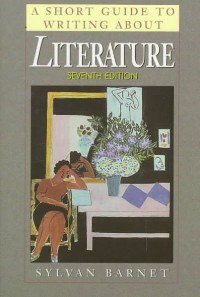
The tenth edition of A Short Guide to Writing about Literature continues to offer students sound advice on how to become critical thinkers and enrich their reading response through accessible, step-by-step instruction. This highly respected text is ideal as a supplement to any course where writing about literature or literary studies is emphasized. New to the Tenth Edition: A prefatory "Letter to Students" introduces students to the importance of writing about literature. New Chapter 1: What Is Literature, and Why Write About It? Chapter 2 features new material on critical thinking. Epigraphs have been added to the beginning of each chapter to engage the attention of students and instructors. Seventeen "Rules for Writers" have been addded to various chapters. Tips and practical suggestions are highlighted throughout the text. Four checklists have been added: basic matters, revising for clarity, revising for conciseness, and reviewing a revised draft. Two poems, one by Emily Dickinson and one by Edna St. Vincent Millay, and a fable by Aesop have been added. Book jacket.
目录
Preface p. xv
Letter to Students p. xix
Jumping In
What Is Literature, and Why Write About It? p. 3
"The Vixen and the Lioness" p. 4
"I'm Nobody! Who are you?" p. 5
Why We Write about Literature p. 6
The Writing Process p. 8
A Checklist of Basic Matters p. 11
The Writer As Reader: Reading and Responding p. 12
"Ripe Figs" p. 12
The Act of Reading p. 13
Reading with a Pen in Hand p. 15
Recording Your First Responses p. 16
Audience and Purpose p. 17
A Writing Assignment on "Ripe Figs" p. 18
The Assignment p. 18
A Sample Essay: "Images of Ripening in Kate Chopin's 'Ripe Figs'" p. 18
The Student's Analysis Analyzed p. 20
Critical Thinking and the Study of Literature p. 21
The Reader as Writer: Drafting and Writing p. 23
Pre-writing: Getting Ideas p. 23
Annotating a Text p. 23
More about Getting Ideas: A Second Story by Kate Chopin, "The Story of an Hour" p. 24
Kate Chopin: "The Story of an Hour" p. 24
Brainstorming for Ideas for Writing p. 26
Focused Free Writing p. 27
Listing p. 28
Asking Questions p. 30
Keeping a Journal p. 31
Critical Thinking: Arguing with Yourself p. 32
Arriving at a Thesis and Arguing It p. 34
Writing a Draft p. 36
A Sample Draft: "Ironies in an Hour" p. 36
Revising a Draft p. 38
A Checklist for Revising for Clarity p. 39
Two Ways of Outlining a Draft p. 40
A Checklist for Reviewing a Revised Draft p. 41
Peer Review p. 42
The Final Version p. 44
Sample Essay: "Ironies of Life in Kate Chopin's 'The Story of an Hour'" p. 44
A Brief Overview of the Final Version p. 46
Quick Review p. 47
From First Responses to Final Version: Writing an Essay about a Literary Work p. 47
Two Forms of Criticism: Explication and Analysis p. 48
Explication p. 48
A Sample Explication: Langston Hughes's "Harlem" p. 48
Working toward an Explication of "Harlem" p. 50
Some Journal Entries p. 51
The Final Draft: "Langston Hughes's 'Harlem'" p. 53
A Brief Overview of the Essay p. 54
Topics for Discussion p. 55
A Checklist: Drafting an Explication p. 56
Analysis: The Judgment of Solomon p. 56
Thinking about Form p. 58
Thinking about Character p. 59
Thoughts about Other Possibilities p. 59
Comparison: An Analytic Tool p. 60
A Checklist: Revising a Comparison p. 63
Finding a Topic p. 64
Considering the Evidence p. 65
Organizing the Material p. 65
Communicating Judgments p. 66
Review: How to Write an Effective Essay p. 67
Pre-writing p. 67
Drafting p. 67
Revising p. 68
Editing p. 70
Editing Checklist: Questions to Ask Yourself When Editing p. 70
Other Kinds of Writing About Literature p. 72
A Summary p. 72
A Paraphrase p. 74
A Parody p. 76
A Review p. 77
A Review of a Dramatic Production p. 77
A Sample Review: "An Effective Macbeth" p. 78
Standing Back: Thinking Critically about Literature
Literature, Form, and Meaning p. 87
Literature and Form p. 87
Literature and Meaning p. 89
Arguing about Meaning p. 90
Form and Meaning p. 91
"The Span of Life" p. 91
The Literary Canon p. 93
Literature, Texts, Discourses, and Cultural Studies p. 94
Suggestions for Further Reading p. 95
What is Interpretation? p. 97
Interpretation and Meaning p. 97
Is the Author's Intention a Guide to Meaning? p. 98
Characteristics of a Good Interpretation p. 99
An Example: Interpreting Pat Mora's "Immigrants" p. 100
Thinking Critically about Literature p. 102
A Student Interpretation of Robert Frost's "Stopping by Woods on a Snowy Evening" p. 103
Sample Essay: "Stopping by Woods and Going On" p. 104
Suggestions for Further Reading p. 108
What Is Evaluation? p. 109
Criticism and Evaluation p. 110
Evaluative Language and the Canon p. 110
Are There Critical Standards? p. 111
Morality and Truth as Standards p. 111
Other Ways to Think about Truth and Realism p. 113
Suggestions for Further Reading p. 115
Writing about Literature: An Overview p. 116
The Nature of Critical Writing p. 117
Some Critical Approaches p. 117
Formalist Criticism (New Criticism) p. 118
Deconstruction p. 120
Reader-Response Criticism p. 121
Archetypal (or Myth) Criticism p. 123
Historical Criticism p. 124
Marxist Criticism p. 125
The New Historicism p. 125
Biographical Criticism p. 126
Psychological (or Psychoanalytic) Criticism p. 127
Gender (Feminist, and Lesbian and Gay) Criticism p. 128
Suggestions for Further Reading p. 131
Up Close: Thinking Critically about Literary Forms
Writing about Fiction: The World of the Story p. 139
Plot and Character p. 139
Writing about a Character p. 141
A Sample Essay on a Character: "Holden's Kid Sister" p. 144
A Brief Overview of the Essay p. 146
Foreshadowing p. 146
Organizing an Essay on Foreshadowing p. 148
Setting and Atmosphere p. 149
Symbolism p. 150
A Sample Essay on Setting as Symbol: "Spring Comes to Mrs. Mallard" p. 152
"Spring Comes to Mrs. Mallard" p. 153
Point of View p. 157
Third-Person Narrators p. 157
First-Person Narrators p. 159
Notes and a Sample Essay on Narrative Point of View in James Joyce's "Araby" p. 161
"The Three First-Person Narrators of Joyce's 'Araby'" p. 162
A Brief Overview of the Essay p. 165
Theme: Vision or Argument? p. 166
Determining and Discussing the Theme p. 166
Preliminary Notes and a Sample Essay on the Theme of Eudora Welty's "A Worn Path" p. 167
Preliminary Notes p. 167
"Rising into Love" p. 170
A Brief Overview of the Essay p. 174
Basing the Paper on Your Own Responses p. 175
A Note on Secondary Sources p. 175
Suggestions for Further Reading p. 178
A Checklist: Getting Ideas for Writing about Fiction p. 179
A Checklist: Getting Ideas for Writing about a Film Based on a Work of Literature p. 182
Writing about Drama p. 185
A Sample Essay p. 186
Preliminary Notes p. 186
"The Solid Structure of The Glass Menagerie" p. 187
Types of Plays p. 192
Tragedy p. 193
A Checklist: Writing about Tragedy p. 196
Comedy p. 196
A Checklist: Writing about Comedy p. 198
Aspects of Drama p. 198
Theme p. 198
Plot p. 200
A Checklist: Writing about Plot p. 203
Characterization and Motivation p. 205
Conventions p. 206
Costumes, Gestures, and Settings p. 207
Suggestions for Further Reading p. 210
A Checklist: Getting Ideas for Writing about Drama p. 211
A Checklist: Getting Ideas for Writing about a Film Based on a Play p. 213
Writing about Poetry p. 214
The Speaker and the Poet p. 214
"Wild Nights-Wild Nights" p. 215
The Language of Poetry: Diction and Tone p. 216
"I, being born a woman and distressed" p. 217
Writing about the Speaker: Robert Frost's "The Telephone" p. 219
"The Telephone" p. 219
Journal Entries p. 221
Figurative Language p. 224
"On First Looking into Chapman's Homer" p. 225
Preparing to Write about Figurative Language p. 228
"The Sick Rose" p. 229
Structure p. 230
"Upon Julia's Clothes" p. 230
Annotating and Thinking about a Poem p. 231
The Student's Finished Essay: "Herrick's Julia, Julia's Herrick" p. 232
Some Kinds of Structure p. 234
"A Slumber Did My Spirit Seal" p. 235
"The Flea" p. 236
Verbal Irony p. 237
Paradox p. 237
Explication p. 238
A Sample Explication of Yeats's "The Balloon of the Mind" p. 239
"The Balloon of the Mind" p. 239
Rhythm and Versification: A Glossary for Reference p. 242
Rhythm p. 242
Meter p. 244
Patterns of Sound p. 247
Stanzaic Patterns p. 248
Blank Verse and Free Verse p. 249
"When I Heard the Learn'd Astronomer" p. 250
Preparing to Write about Prosody p. 251
Sample Essay on Metrics: "Sound and Sense in A. E. Housman's 'Eight O'clock'" p. 252
"Sound and Sense in A. E. Housman's 'Eight O'clock'" p. 253
A Brief Overview of the Essay p. 257
Suggestions for Further Reading p. 257
A Checklist: Getting Ideas for Writing about Poetry p. 258
Writing about an Author in Depth p. 261
A Case Study: Writing about Langston Hughes p. 262
"The South" p. 263
"Ruby Brown" p. 265
"Ballad of the Landlord" p. 266
"A National Problem: Race and Racism in the Poetry of Langston Hughes" p. 267
A Brief Overview of the Essay p. 271
Inside: Style, Format, and Special Assignments
Style and Format p. 275
Principles of Style p. 275
Get the Right Word p. 276
Write Effective Sentences p. 280
A Checklist for Revising for Conciseness p. 281
Write Unified and Coherent Paragraphs p. 284
A Checklist: Revising Paragraphs p. 289
Write Emphatically p. 290
Notes on the Dash and the Hyphen p. 291
Remarks about Manuscript Form p. 291
Basic Manuscript Form p. 291
Quotations and Quotation Marks p. 293
Writing a Research Paper p. 298
What Research Is Not, and What Research Is p. 298
Primary and Secondary Materials p. 299
Locating Material: First Steps p. 299
Other Bibliographic Aids p. 302
Taking Notes p. 302
Two Mechanical Aids: The Photocopier and the Word Processor p. 303
A Guide to Note Taking p. 303
Drafting Your Paper p. 305
Focus on Primary Sources p. 306
Documentation p. 307
What to Document: Avoiding Plagiarism p. 307
A Checklist for Avoiding Plagiarism p. 309
How to Document: Footnotes, Internal Parenthetical Citations, and a List of Works Cited (MLA Format) p. 310
Sample Essay with Documentation: "The Women in Death of a Salesman" p. 322
A Checklist: Reading the Draft of a Research Paper p. 331
Electronic Sources p. 332
Encyclopedias: Print and Electronic Versions p. 332
The Internet/World Wide Web p. 332
Evaluating Sources on the World Wide Web p. 333
A Checklist: A Review for Using the World Wide Web p. 333
Documentation: Citing a Web Source p. 334
A Checklist: Citing World Wide Web Sources p. 334
Two Stories p. 338
"Araby" p. 338
"A Worn Path" p. 342
Literary Research: Print and Electronic Resources p. 349
Glossary of Literary Terms p. 356
Credits p. 371
Index of Authors, Titles, and First Lines of Poems p. 373
Index of Terms p. 375
Letter to Students p. xix
Jumping In
What Is Literature, and Why Write About It? p. 3
"The Vixen and the Lioness" p. 4
"I'm Nobody! Who are you?" p. 5
Why We Write about Literature p. 6
The Writing Process p. 8
A Checklist of Basic Matters p. 11
The Writer As Reader: Reading and Responding p. 12
"Ripe Figs" p. 12
The Act of Reading p. 13
Reading with a Pen in Hand p. 15
Recording Your First Responses p. 16
Audience and Purpose p. 17
A Writing Assignment on "Ripe Figs" p. 18
The Assignment p. 18
A Sample Essay: "Images of Ripening in Kate Chopin's 'Ripe Figs'" p. 18
The Student's Analysis Analyzed p. 20
Critical Thinking and the Study of Literature p. 21
The Reader as Writer: Drafting and Writing p. 23
Pre-writing: Getting Ideas p. 23
Annotating a Text p. 23
More about Getting Ideas: A Second Story by Kate Chopin, "The Story of an Hour" p. 24
Kate Chopin: "The Story of an Hour" p. 24
Brainstorming for Ideas for Writing p. 26
Focused Free Writing p. 27
Listing p. 28
Asking Questions p. 30
Keeping a Journal p. 31
Critical Thinking: Arguing with Yourself p. 32
Arriving at a Thesis and Arguing It p. 34
Writing a Draft p. 36
A Sample Draft: "Ironies in an Hour" p. 36
Revising a Draft p. 38
A Checklist for Revising for Clarity p. 39
Two Ways of Outlining a Draft p. 40
A Checklist for Reviewing a Revised Draft p. 41
Peer Review p. 42
The Final Version p. 44
Sample Essay: "Ironies of Life in Kate Chopin's 'The Story of an Hour'" p. 44
A Brief Overview of the Final Version p. 46
Quick Review p. 47
From First Responses to Final Version: Writing an Essay about a Literary Work p. 47
Two Forms of Criticism: Explication and Analysis p. 48
Explication p. 48
A Sample Explication: Langston Hughes's "Harlem" p. 48
Working toward an Explication of "Harlem" p. 50
Some Journal Entries p. 51
The Final Draft: "Langston Hughes's 'Harlem'" p. 53
A Brief Overview of the Essay p. 54
Topics for Discussion p. 55
A Checklist: Drafting an Explication p. 56
Analysis: The Judgment of Solomon p. 56
Thinking about Form p. 58
Thinking about Character p. 59
Thoughts about Other Possibilities p. 59
Comparison: An Analytic Tool p. 60
A Checklist: Revising a Comparison p. 63
Finding a Topic p. 64
Considering the Evidence p. 65
Organizing the Material p. 65
Communicating Judgments p. 66
Review: How to Write an Effective Essay p. 67
Pre-writing p. 67
Drafting p. 67
Revising p. 68
Editing p. 70
Editing Checklist: Questions to Ask Yourself When Editing p. 70
Other Kinds of Writing About Literature p. 72
A Summary p. 72
A Paraphrase p. 74
A Parody p. 76
A Review p. 77
A Review of a Dramatic Production p. 77
A Sample Review: "An Effective Macbeth" p. 78
Standing Back: Thinking Critically about Literature
Literature, Form, and Meaning p. 87
Literature and Form p. 87
Literature and Meaning p. 89
Arguing about Meaning p. 90
Form and Meaning p. 91
"The Span of Life" p. 91
The Literary Canon p. 93
Literature, Texts, Discourses, and Cultural Studies p. 94
Suggestions for Further Reading p. 95
What is Interpretation? p. 97
Interpretation and Meaning p. 97
Is the Author's Intention a Guide to Meaning? p. 98
Characteristics of a Good Interpretation p. 99
An Example: Interpreting Pat Mora's "Immigrants" p. 100
Thinking Critically about Literature p. 102
A Student Interpretation of Robert Frost's "Stopping by Woods on a Snowy Evening" p. 103
Sample Essay: "Stopping by Woods and Going On" p. 104
Suggestions for Further Reading p. 108
What Is Evaluation? p. 109
Criticism and Evaluation p. 110
Evaluative Language and the Canon p. 110
Are There Critical Standards? p. 111
Morality and Truth as Standards p. 111
Other Ways to Think about Truth and Realism p. 113
Suggestions for Further Reading p. 115
Writing about Literature: An Overview p. 116
The Nature of Critical Writing p. 117
Some Critical Approaches p. 117
Formalist Criticism (New Criticism) p. 118
Deconstruction p. 120
Reader-Response Criticism p. 121
Archetypal (or Myth) Criticism p. 123
Historical Criticism p. 124
Marxist Criticism p. 125
The New Historicism p. 125
Biographical Criticism p. 126
Psychological (or Psychoanalytic) Criticism p. 127
Gender (Feminist, and Lesbian and Gay) Criticism p. 128
Suggestions for Further Reading p. 131
Up Close: Thinking Critically about Literary Forms
Writing about Fiction: The World of the Story p. 139
Plot and Character p. 139
Writing about a Character p. 141
A Sample Essay on a Character: "Holden's Kid Sister" p. 144
A Brief Overview of the Essay p. 146
Foreshadowing p. 146
Organizing an Essay on Foreshadowing p. 148
Setting and Atmosphere p. 149
Symbolism p. 150
A Sample Essay on Setting as Symbol: "Spring Comes to Mrs. Mallard" p. 152
"Spring Comes to Mrs. Mallard" p. 153
Point of View p. 157
Third-Person Narrators p. 157
First-Person Narrators p. 159
Notes and a Sample Essay on Narrative Point of View in James Joyce's "Araby" p. 161
"The Three First-Person Narrators of Joyce's 'Araby'" p. 162
A Brief Overview of the Essay p. 165
Theme: Vision or Argument? p. 166
Determining and Discussing the Theme p. 166
Preliminary Notes and a Sample Essay on the Theme of Eudora Welty's "A Worn Path" p. 167
Preliminary Notes p. 167
"Rising into Love" p. 170
A Brief Overview of the Essay p. 174
Basing the Paper on Your Own Responses p. 175
A Note on Secondary Sources p. 175
Suggestions for Further Reading p. 178
A Checklist: Getting Ideas for Writing about Fiction p. 179
A Checklist: Getting Ideas for Writing about a Film Based on a Work of Literature p. 182
Writing about Drama p. 185
A Sample Essay p. 186
Preliminary Notes p. 186
"The Solid Structure of The Glass Menagerie" p. 187
Types of Plays p. 192
Tragedy p. 193
A Checklist: Writing about Tragedy p. 196
Comedy p. 196
A Checklist: Writing about Comedy p. 198
Aspects of Drama p. 198
Theme p. 198
Plot p. 200
A Checklist: Writing about Plot p. 203
Characterization and Motivation p. 205
Conventions p. 206
Costumes, Gestures, and Settings p. 207
Suggestions for Further Reading p. 210
A Checklist: Getting Ideas for Writing about Drama p. 211
A Checklist: Getting Ideas for Writing about a Film Based on a Play p. 213
Writing about Poetry p. 214
The Speaker and the Poet p. 214
"Wild Nights-Wild Nights" p. 215
The Language of Poetry: Diction and Tone p. 216
"I, being born a woman and distressed" p. 217
Writing about the Speaker: Robert Frost's "The Telephone" p. 219
"The Telephone" p. 219
Journal Entries p. 221
Figurative Language p. 224
"On First Looking into Chapman's Homer" p. 225
Preparing to Write about Figurative Language p. 228
"The Sick Rose" p. 229
Structure p. 230
"Upon Julia's Clothes" p. 230
Annotating and Thinking about a Poem p. 231
The Student's Finished Essay: "Herrick's Julia, Julia's Herrick" p. 232
Some Kinds of Structure p. 234
"A Slumber Did My Spirit Seal" p. 235
"The Flea" p. 236
Verbal Irony p. 237
Paradox p. 237
Explication p. 238
A Sample Explication of Yeats's "The Balloon of the Mind" p. 239
"The Balloon of the Mind" p. 239
Rhythm and Versification: A Glossary for Reference p. 242
Rhythm p. 242
Meter p. 244
Patterns of Sound p. 247
Stanzaic Patterns p. 248
Blank Verse and Free Verse p. 249
"When I Heard the Learn'd Astronomer" p. 250
Preparing to Write about Prosody p. 251
Sample Essay on Metrics: "Sound and Sense in A. E. Housman's 'Eight O'clock'" p. 252
"Sound and Sense in A. E. Housman's 'Eight O'clock'" p. 253
A Brief Overview of the Essay p. 257
Suggestions for Further Reading p. 257
A Checklist: Getting Ideas for Writing about Poetry p. 258
Writing about an Author in Depth p. 261
A Case Study: Writing about Langston Hughes p. 262
"The South" p. 263
"Ruby Brown" p. 265
"Ballad of the Landlord" p. 266
"A National Problem: Race and Racism in the Poetry of Langston Hughes" p. 267
A Brief Overview of the Essay p. 271
Inside: Style, Format, and Special Assignments
Style and Format p. 275
Principles of Style p. 275
Get the Right Word p. 276
Write Effective Sentences p. 280
A Checklist for Revising for Conciseness p. 281
Write Unified and Coherent Paragraphs p. 284
A Checklist: Revising Paragraphs p. 289
Write Emphatically p. 290
Notes on the Dash and the Hyphen p. 291
Remarks about Manuscript Form p. 291
Basic Manuscript Form p. 291
Quotations and Quotation Marks p. 293
Writing a Research Paper p. 298
What Research Is Not, and What Research Is p. 298
Primary and Secondary Materials p. 299
Locating Material: First Steps p. 299
Other Bibliographic Aids p. 302
Taking Notes p. 302
Two Mechanical Aids: The Photocopier and the Word Processor p. 303
A Guide to Note Taking p. 303
Drafting Your Paper p. 305
Focus on Primary Sources p. 306
Documentation p. 307
What to Document: Avoiding Plagiarism p. 307
A Checklist for Avoiding Plagiarism p. 309
How to Document: Footnotes, Internal Parenthetical Citations, and a List of Works Cited (MLA Format) p. 310
Sample Essay with Documentation: "The Women in Death of a Salesman" p. 322
A Checklist: Reading the Draft of a Research Paper p. 331
Electronic Sources p. 332
Encyclopedias: Print and Electronic Versions p. 332
The Internet/World Wide Web p. 332
Evaluating Sources on the World Wide Web p. 333
A Checklist: A Review for Using the World Wide Web p. 333
Documentation: Citing a Web Source p. 334
A Checklist: Citing World Wide Web Sources p. 334
Two Stories p. 338
"Araby" p. 338
"A Worn Path" p. 342
Literary Research: Print and Electronic Resources p. 349
Glossary of Literary Terms p. 356
Credits p. 371
Index of Authors, Titles, and First Lines of Poems p. 373
Index of Terms p. 375
- 名称
- 类型
- 大小
光盘服务联系方式: 020-38250260 客服QQ:4006604884
云图客服:
用户发送的提问,这种方式就需要有位在线客服来回答用户的问题,这种 就属于对话式的,问题是这种提问是否需要用户登录才能提问
Video Player
×
Audio Player
×
pdf Player
×
