

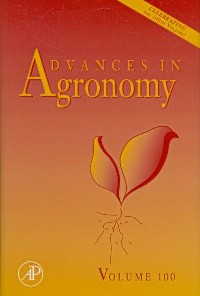
Advances in agronomy. V.100 /
副标题:无
分类号:
ISBN:9780123743619
微信扫一扫,移动浏览光盘
简介
Summary:
Publisher Summary 1
Contributors to this special 100th volume were carefully selected by the editor for their perspectives on not only the current state-of-the-art of their topic but also where their fields are going and what future opportunities exist to advance scientific frontiers. Originating in 1949, Advances in Agronomy is a venerable serial review featuring state-of-the-art reviews on crop and soil sciences over the years, and is highly regarded around the world. Volume 100 continues this long tradition of excellence, with cutting-edge and visionary reviews from distinguished scientists at the top of their respective fields.
* Contributions from leading scientists in crop and soil sciences and allied fields including geochemistry, environmental microbiology, and microbiology
* Dynamic illustrations
* Extensive literature review
* Grand research challenges and opportunities
目录
Table Of Contents:
Contributors vii
Preface ix
1. Dr. Norman E. Borlaug: Twentieth Century Lessons for the Twenty-First Century World
Kenneth M. Quinn
1. Introduction 2
2. Iowa Roots 3
3. Minnesota and a Focus on Plant Pathology and Wheat 4
4. Confronting Poverty in Mexico 5
5. India, Pakistan, and the Green Revolution 6
6. The Impact in Asia 7
7. The Nobel Peace Prize 8
8. Bringing the Green Revolution to Africa 9
9. The World Food Prize 9
10. Inspiring the Leaders of Tomorrow 10
11. A Lasting Global Legacy 12
12. Extraordinary Recognition for a Humble Man 13
2. Contaminants as Tracers for Studying Dynamics of Soil Formation: Mining an Ocean of Opportunities
Jonatan Klaminder and Kyungsoo Yoo
1. Introduction 16
2. Outlining the Quest for New Tracers of Soil Formation 20
3. Atmospherically Derived Lead and SCPs: Tracers of What? 21
3.1. Biogeochemical properties of lead in soils 22
3.2. Biogeochemical properties of SCPs in soils 23
3.3. Tracking the tracers in soil matrix 24
3.4. Contaminants inputs to soils over time 29
4. Constraining Mass Fluxes Involved in Geochemical Evolution of Soils 34
4.1. Mass fluxes across the boundaries of a soil 34
4.2. Vertical mass fluxes within a soil pedon Lead and SCP as a Tracer of Organic Matter Dynamics 45
Conclusions 48
Acknowledgment 50
References 50
3. Epigenetics: The Second Genetic Code 59
Nathan M. Springer and Shawn M. Kaeppler
1. Introduction 6o
2. Molecular Mechanisms of Epigenetic Inheritance 6o
2.1. DNA methylation 61
2.2. Histone modifications 62
2.3. Chromatin structure 63
2.4. Role of RNA in heritable silencing 64
2.5. Interactions among DNA methylation, histone modifications, and chromatin structure 65
3. Epigenetic Phenomena in Plants 65
3.1. Phenotypic examples of epigenetic inheritance 66
3.2. Genomic and molecular genetic examples of epigenetic variation 70
4. Epigenetic Inheritance and Crop Improvement 71
4.1. Epigenetics in quantitative inheritance and selection response 72
4.2. Epialleles and gene discovery 73
References 73
4. Microbial Distribution in Soils: Physics and Scaling 81
I.M. Young, J.W. Crawford, N. Nunan, W. Otten, and A. Spiers
1. Soil as a Habitat 82
2. What Characteristics of Structure Matter and Why? 84
2.1. Moisture characteristic 85
2.2. 3D stucture鈥搘ater interactions 85
2.3. Water-film thickness 88
2.4. Surface area 89
3. Spatial and Temporal Distribution of Microbes 90
3.1. Fungi in soil 95
3.2. Visualisation and quantification of fungal hyphae in soil 95
3.3. Relevance of spatial temporal dynamics to ecosystem function 97
4. Habitat鈥揃iofilm Interactions 99
4.1. Bacterial movement 100
4.2. The biofilm environment 101
4.3. Celluose as a legacy in soil 104
4.4. Surfactants as a legacy in soil 105
5. Habitat鈥揗icrobe Interactions 105
5.1. Regulatory feedbacks in soil鈥搈icrobe interactions 106
5.2. The soil鈥搈icrobe complex as a complex adaptive system 108
5.3. Functional consequences 111
6. Future 112
References 113
5. Nanoscale Particles and Processes: A New Dimension in Soil Science 123
Patricia A. Maurice and Michael F. Hochella
1. Nanoscience as a Key Element of Soil Science 124
2. Nanoparticles and Nanominerals 125
3. Nanoparticles in Soils 127
4. Some Nano-scale Techniques for Soils Applications 131
4.1. TEM and scanning transmission electron microscopy (STEM) 132
4.2. Atomic force microscopy 132
4.3. NanoSIMS 133
4.4. XAS techniques 134
5. The Unique World of the Nanoparticle 135
5.1. The "small world" as we already know it 135
5.2. From the known to the unknown: Nanoparticles are fundamentally different 138
6. Why Nanoparticles Behave Differently 139
7. Nanoparticle Stability: Size and More than Size Matter 140
7.1. Nanoparticle stability and hydration 142
7.2. Stability and defects 142
7.3. Nanoparticle growth by oriented attachment 143
7.4. Ferrihydrite size, structure, and stability 143
8. Nanoparticle Mobility in Soils and Sediments 144
9. Nanoparticle Effects on Pollutant Transport and Bioavailability 146
10. Nanoparticle Toxicity in Soil Environments 147
11. The Special Role of the Soil Sciences in Environmental Nanoscience 148
Acknowledgments 149
References 149
6. Combining Biomarker with Stable Isotope Analyses for Assessing the Transformation and Turnover Soil Organic Matter 155
W. Amelung, S. Brodowski, A. Sandhage-Hofmann, and R. Bol
1. Introduction 156
1.1. Rationale 157
1.2. Objective 159
2. Major Biomarkers 159
2.1. Biomarkers for plant-derived C 169
2.2. Biomarkers of multiple origin (plants, microbes, animals) 173
2.3. Biomarkers for living microbial biomass 175
2.4. Biomarkers for dead microbial biomass 176
2.5. Black carbon (BC) 180
3. Using Carbon Isotopes in SOM Studies 180
3.1. Stable isotopes and their measurement units 180
3.2. Analytical techniques 181
3.3. Isotope fractionation and tracing 183
3.4. Artificial labeling techniques 184
3.5. Natural labeling techniques 185
4. Biomarker Specific Stable Isotope Analyses 188
4.1. Incubation studies 189
4.2. Field studies 201
4.3. Ageing phenomena 216
4.4. Fate of individual SOM compounds: A comparative synthesis 217
5. Conclusions and Perspectives 220
Acknowledgments 222
References 226
Index 251
Contributors vii
Preface ix
1. Dr. Norman E. Borlaug: Twentieth Century Lessons for the Twenty-First Century World
Kenneth M. Quinn
1. Introduction 2
2. Iowa Roots 3
3. Minnesota and a Focus on Plant Pathology and Wheat 4
4. Confronting Poverty in Mexico 5
5. India, Pakistan, and the Green Revolution 6
6. The Impact in Asia 7
7. The Nobel Peace Prize 8
8. Bringing the Green Revolution to Africa 9
9. The World Food Prize 9
10. Inspiring the Leaders of Tomorrow 10
11. A Lasting Global Legacy 12
12. Extraordinary Recognition for a Humble Man 13
2. Contaminants as Tracers for Studying Dynamics of Soil Formation: Mining an Ocean of Opportunities
Jonatan Klaminder and Kyungsoo Yoo
1. Introduction 16
2. Outlining the Quest for New Tracers of Soil Formation 20
3. Atmospherically Derived Lead and SCPs: Tracers of What? 21
3.1. Biogeochemical properties of lead in soils 22
3.2. Biogeochemical properties of SCPs in soils 23
3.3. Tracking the tracers in soil matrix 24
3.4. Contaminants inputs to soils over time 29
4. Constraining Mass Fluxes Involved in Geochemical Evolution of Soils 34
4.1. Mass fluxes across the boundaries of a soil 34
4.2. Vertical mass fluxes within a soil pedon Lead and SCP as a Tracer of Organic Matter Dynamics 45
Conclusions 48
Acknowledgment 50
References 50
3. Epigenetics: The Second Genetic Code 59
Nathan M. Springer and Shawn M. Kaeppler
1. Introduction 6o
2. Molecular Mechanisms of Epigenetic Inheritance 6o
2.1. DNA methylation 61
2.2. Histone modifications 62
2.3. Chromatin structure 63
2.4. Role of RNA in heritable silencing 64
2.5. Interactions among DNA methylation, histone modifications, and chromatin structure 65
3. Epigenetic Phenomena in Plants 65
3.1. Phenotypic examples of epigenetic inheritance 66
3.2. Genomic and molecular genetic examples of epigenetic variation 70
4. Epigenetic Inheritance and Crop Improvement 71
4.1. Epigenetics in quantitative inheritance and selection response 72
4.2. Epialleles and gene discovery 73
References 73
4. Microbial Distribution in Soils: Physics and Scaling 81
I.M. Young, J.W. Crawford, N. Nunan, W. Otten, and A. Spiers
1. Soil as a Habitat 82
2. What Characteristics of Structure Matter and Why? 84
2.1. Moisture characteristic 85
2.2. 3D stucture鈥搘ater interactions 85
2.3. Water-film thickness 88
2.4. Surface area 89
3. Spatial and Temporal Distribution of Microbes 90
3.1. Fungi in soil 95
3.2. Visualisation and quantification of fungal hyphae in soil 95
3.3. Relevance of spatial temporal dynamics to ecosystem function 97
4. Habitat鈥揃iofilm Interactions 99
4.1. Bacterial movement 100
4.2. The biofilm environment 101
4.3. Celluose as a legacy in soil 104
4.4. Surfactants as a legacy in soil 105
5. Habitat鈥揗icrobe Interactions 105
5.1. Regulatory feedbacks in soil鈥搈icrobe interactions 106
5.2. The soil鈥搈icrobe complex as a complex adaptive system 108
5.3. Functional consequences 111
6. Future 112
References 113
5. Nanoscale Particles and Processes: A New Dimension in Soil Science 123
Patricia A. Maurice and Michael F. Hochella
1. Nanoscience as a Key Element of Soil Science 124
2. Nanoparticles and Nanominerals 125
3. Nanoparticles in Soils 127
4. Some Nano-scale Techniques for Soils Applications 131
4.1. TEM and scanning transmission electron microscopy (STEM) 132
4.2. Atomic force microscopy 132
4.3. NanoSIMS 133
4.4. XAS techniques 134
5. The Unique World of the Nanoparticle 135
5.1. The "small world" as we already know it 135
5.2. From the known to the unknown: Nanoparticles are fundamentally different 138
6. Why Nanoparticles Behave Differently 139
7. Nanoparticle Stability: Size and More than Size Matter 140
7.1. Nanoparticle stability and hydration 142
7.2. Stability and defects 142
7.3. Nanoparticle growth by oriented attachment 143
7.4. Ferrihydrite size, structure, and stability 143
8. Nanoparticle Mobility in Soils and Sediments 144
9. Nanoparticle Effects on Pollutant Transport and Bioavailability 146
10. Nanoparticle Toxicity in Soil Environments 147
11. The Special Role of the Soil Sciences in Environmental Nanoscience 148
Acknowledgments 149
References 149
6. Combining Biomarker with Stable Isotope Analyses for Assessing the Transformation and Turnover Soil Organic Matter 155
W. Amelung, S. Brodowski, A. Sandhage-Hofmann, and R. Bol
1. Introduction 156
1.1. Rationale 157
1.2. Objective 159
2. Major Biomarkers 159
2.1. Biomarkers for plant-derived C 169
2.2. Biomarkers of multiple origin (plants, microbes, animals) 173
2.3. Biomarkers for living microbial biomass 175
2.4. Biomarkers for dead microbial biomass 176
2.5. Black carbon (BC) 180
3. Using Carbon Isotopes in SOM Studies 180
3.1. Stable isotopes and their measurement units 180
3.2. Analytical techniques 181
3.3. Isotope fractionation and tracing 183
3.4. Artificial labeling techniques 184
3.5. Natural labeling techniques 185
4. Biomarker Specific Stable Isotope Analyses 188
4.1. Incubation studies 189
4.2. Field studies 201
4.3. Ageing phenomena 216
4.4. Fate of individual SOM compounds: A comparative synthesis 217
5. Conclusions and Perspectives 220
Acknowledgments 222
References 226
Index 251
Advances in agronomy. V.100 /
- 名称
- 类型
- 大小
光盘服务联系方式: 020-38250260 客服QQ:4006604884
云图客服:
用户发送的提问,这种方式就需要有位在线客服来回答用户的问题,这种 就属于对话式的,问题是这种提问是否需要用户登录才能提问
Video Player
×
Audio Player
×
pdf Player
×
