

简介
Summary:
Publisher Summary 1
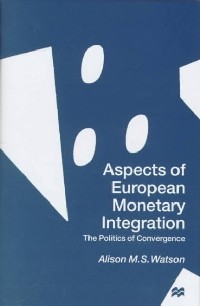
Watson (international relations, U. of St. Andrews, Scotland) sets out the convergence criteria that states must meet in order to quality for access to the future Economic and Monetary Union of Europe. Considering both economic and political rationales for the criteria within a framework of international political economy, she investigates the relationship between the economics and politics, how domestic and international factors impact realization, and the overall role of the state. Annotation c. by Book News, Inc., Portland, Or.
Publisher Summary 2
This book provides a thorough knowledge of the nature of the convergence criteria which states must meet in order to qualify for accession to the future Economic and Monetary Union of Europe and comprehensive coverage of both the economic and political rationale of the criteria within the framework of an international political economy approach. Thus, throughout the course of the analysis, three questions in particular are addressed: first, what is the relationship between the economics and politics of the convergence criteria; second, how do domestic and international factors impact upon their future realisation; and third what, overall, is the role of the state. This book gives valuable insights into the Economic and Monetary Union debate.
目录
Table Of Contents:
List of Tables x(1)
Preface xi
PART 1: EUROPEAN MONETARY INTEGRATION: REASONS AND CONSEQUENCES 1(66)
Chapter 1: European Monetary Integration: Scope and Method 3(27)
Introduction 3(1)
The Nature of EMU 4(6)
The IPE of EMU: Some Basic Issues 10(2)
Early Attempts at Monetary Integration 12(6)
The Mood for Change 18(2)
The European Coal and Steel Community 20(3)
The Foundations of an Ever Closer Union 23(7)
Chapter 2: European Monetary Integration: A New Initiative 30(19)
Introduction 30(3)
Progress Towards Economic and Monetary Union 33(2)
The `Snake in the Tunnel' 35(4)
A Political Dream versus Economic Necessity 39(10)
Chapter 3: The Maastricht Treaty and Beyond 49(18)
Introduction 49(4)
The Delors Report 53(3)
The Collapse of Communism and the Position of Germany 56(1)
The Maastricht Treaty 57(3)
Crisis in the system 60(7)
PART 2: THE NOTION OF CONVERGENCE 67(134)
The Notion of Convergence 69(4)
Chapter 4: The Convergence Criteria: Price Stability 73(33)
Introduction 73(2)
The International Political Economy of Prices 75(9)
The domestic perspective 76(5)
The international perspective 81(3)
European Price Stability 84(14)
The economic rationale 85(5)
The political rationale 90(4)
The institutional dimension 94(4)
Conclusion 98(8)
Chapter 5: The Convergence Criteria: Budgetary Conditions 106(32)
Introduction 106(2)
The International Political Economy of the Budgetary Conditions 108(10)
The public choice approach 109(4)
The strategic public debt choice approach 113(2)
The government weakness and political instability approach 115(3)
Parliamentary democracies 115(1)
Budgetary institutions 116(1)
Fiscal decentralisation 117(1)
European Budgetary Stability 118(13)
The economic rationale 119(5)
A political framework 124(7)
Conclusion 131(7)
Chapter 6: Exchange Rates and Interest Rates: An IPE Approach 138(31)
Introduction 138(1)
Exchange rates 139(2)
Interest rates 141(2)
An IPE Approach to Exchange Rates and Interest Rates 143(7)
Interest rate parity 145(5)
The Inconsistent Quartet 150(13)
Fixed exchange rates 151(5)
Capital mobility 156(1)
An independent monetary policy 157(1)
Free trade 158(2)
An IPE analysis 160(3)
Conclusion 163(6)
Chapter 7: The Convergence Criteria: Exchange Rates and Interest Rates - A European Perspective 169(19)
Introduction 169(1)
European exchange rate stability 170(3)
Interest rate policy and Maastricht 173(3)
European policy making and the inconsistent quartet 176(8)
The inconsistency dilemma 176(2)
Domestic politics and the results of the inconsistent quartet 178(2)
Intergovernmental politics and the results of the inconsistent quartet 180(3)
The achievement of convergence 183(1)
Conclusion 184(4)
Chapter 8: An Elysian Harmony 188(13)
Introduction 188(1)
Economics and Politics 188(1)
Domestic and International Factors 189(2)
EMU and the Role of the State: Fruition or Reform? 191(6)
Exchange rate management 193(2)
A One-Speed European Monetary Union 195(2)
Conclusion 197(4)
Selected Bibliography 201(18)
Index 219
List of Tables x(1)
Preface xi
PART 1: EUROPEAN MONETARY INTEGRATION: REASONS AND CONSEQUENCES 1(66)
Chapter 1: European Monetary Integration: Scope and Method 3(27)
Introduction 3(1)
The Nature of EMU 4(6)
The IPE of EMU: Some Basic Issues 10(2)
Early Attempts at Monetary Integration 12(6)
The Mood for Change 18(2)
The European Coal and Steel Community 20(3)
The Foundations of an Ever Closer Union 23(7)
Chapter 2: European Monetary Integration: A New Initiative 30(19)
Introduction 30(3)
Progress Towards Economic and Monetary Union 33(2)
The `Snake in the Tunnel' 35(4)
A Political Dream versus Economic Necessity 39(10)
Chapter 3: The Maastricht Treaty and Beyond 49(18)
Introduction 49(4)
The Delors Report 53(3)
The Collapse of Communism and the Position of Germany 56(1)
The Maastricht Treaty 57(3)
Crisis in the system 60(7)
PART 2: THE NOTION OF CONVERGENCE 67(134)
The Notion of Convergence 69(4)
Chapter 4: The Convergence Criteria: Price Stability 73(33)
Introduction 73(2)
The International Political Economy of Prices 75(9)
The domestic perspective 76(5)
The international perspective 81(3)
European Price Stability 84(14)
The economic rationale 85(5)
The political rationale 90(4)
The institutional dimension 94(4)
Conclusion 98(8)
Chapter 5: The Convergence Criteria: Budgetary Conditions 106(32)
Introduction 106(2)
The International Political Economy of the Budgetary Conditions 108(10)
The public choice approach 109(4)
The strategic public debt choice approach 113(2)
The government weakness and political instability approach 115(3)
Parliamentary democracies 115(1)
Budgetary institutions 116(1)
Fiscal decentralisation 117(1)
European Budgetary Stability 118(13)
The economic rationale 119(5)
A political framework 124(7)
Conclusion 131(7)
Chapter 6: Exchange Rates and Interest Rates: An IPE Approach 138(31)
Introduction 138(1)
Exchange rates 139(2)
Interest rates 141(2)
An IPE Approach to Exchange Rates and Interest Rates 143(7)
Interest rate parity 145(5)
The Inconsistent Quartet 150(13)
Fixed exchange rates 151(5)
Capital mobility 156(1)
An independent monetary policy 157(1)
Free trade 158(2)
An IPE analysis 160(3)
Conclusion 163(6)
Chapter 7: The Convergence Criteria: Exchange Rates and Interest Rates - A European Perspective 169(19)
Introduction 169(1)
European exchange rate stability 170(3)
Interest rate policy and Maastricht 173(3)
European policy making and the inconsistent quartet 176(8)
The inconsistency dilemma 176(2)
Domestic politics and the results of the inconsistent quartet 178(2)
Intergovernmental politics and the results of the inconsistent quartet 180(3)
The achievement of convergence 183(1)
Conclusion 184(4)
Chapter 8: An Elysian Harmony 188(13)
Introduction 188(1)
Economics and Politics 188(1)
Domestic and International Factors 189(2)
EMU and the Role of the State: Fruition or Reform? 191(6)
Exchange rate management 193(2)
A One-Speed European Monetary Union 195(2)
Conclusion 197(4)
Selected Bibliography 201(18)
Index 219
- 名称
- 类型
- 大小
光盘服务联系方式: 020-38250260 客服QQ:4006604884
云图客服:
用户发送的提问,这种方式就需要有位在线客服来回答用户的问题,这种 就属于对话式的,问题是这种提问是否需要用户登录才能提问
Video Player
×
Audio Player
×
pdf Player
×
