

简介
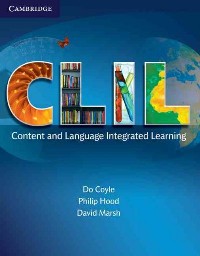
"CLIL (Content and Language Integrated Learning) has emerged since the millennium as a major trend in education. Written by Do Coyle, Philip Hood and David Marsh and drawing on their experience of CLIL in secondary schools, primary schools and English language schools across Europe, this book gives a comprehensive overview of CLIL. It summarises the theory which underpins the teaching of a content subject through another language and discusses its practical application, outlining the key directions for the development of research and practice. This book acknowledges the uncertainty many teachers feel about CLIL, because of the requirement for both language and subject knowledge, while providing theoretical and practical routes towards successful practice for all"--Provided by publisher.
"A comprehensive and up-to-date overview of the theory and practice of CLIL. This will be of use to practitioners (for example teachers and course developers) planning and teaching CLIL in any language"--Provided by publisher.
目录
Table Of Contents:
Acknowledgements vii
Preface ix
1 A window on CLIL 1(13)
1.1 What is CLIL? 1(1)
1.2 The development of CLIL 2(4)
1.3 What are the driving forces behind CLIL? 6(3)
1.4 Why is CLIL relevant to contemporary education? 9(1)
1.5 Why is CLIL relevant to the teaching profession? 10(4)
References 12(2)
2 Curricular variation in CLIL 14(13)
2.1 Operating factors 14(1)
2.2 Scale 15(1)
2.3 Examples of curricular models 16(11)
References 26(1)
3 CLIL as a theoretical concept 27(21)
3.1 Connecting content learning and language learning 27(5)
3.2 Language learning and language using 32(7)
3.3 From cultural awareness to intercultural understanding 39(2)
3.4 Integrating content and language learning: A holistic view 41(7)
References 45(3)
4 The CLIL Tool Kit: Transforming theory into practice 48(38)
Stage 1 A shared vision for CLIL 49(3)
Stage 2 Analysing and personalizing the CLIL context 52(1)
Stage 3 Planning a unit 53(12)
Stage 4 Preparing the unit 65(2)
Stage 5 Monitoring and evaluating CLIL in action 67(2)
Stage 6 Next steps-Towards inquiry-based professional learning communities 69(17)
References 72(2)
Appendix: Creating a tool kit 74(12)
5 Evaluating and creating materials and tasks for CLIL classrooms 86(26)
5.1 Factors influencing materials and task evaluation and design 87(5)
5.2 Evaluating, assembling and modifying materials 92(9)
5.3 Creating materials 101(11)
References 109(3)
6 Assessment issues in CLIL 112(21)
6.1 What are the main issues for assessment in CLIL? 114(6)
6.2 Assessment in action: Examples of practice 120(8)
6.3 Peer- and self-assessment 128(1)
6.4 Summary of assessment principles 129(4)
References 131(2)
7 Evaluating the impact of CLIL programmes 133(20)
7.1 The research background: How far is immersion research applicable to CLIL? 133(2)
7.2 A template for evaluations 135(18)
References 149(4)
8 Future directions 153(17)
8.1 Globalization and change 154(5)
8.2 Integrating language across the curriculum 159(2)
8.3 Sustainability and teacher education 161(2)
8.4 Growth of teacher-led learning communities 163(2)
8.5 Expanding evidence-based research 165(5)
References 166(4)
Index 170
Acknowledgements vii
Preface ix
1 A window on CLIL 1(13)
1.1 What is CLIL? 1(1)
1.2 The development of CLIL 2(4)
1.3 What are the driving forces behind CLIL? 6(3)
1.4 Why is CLIL relevant to contemporary education? 9(1)
1.5 Why is CLIL relevant to the teaching profession? 10(4)
References 12(2)
2 Curricular variation in CLIL 14(13)
2.1 Operating factors 14(1)
2.2 Scale 15(1)
2.3 Examples of curricular models 16(11)
References 26(1)
3 CLIL as a theoretical concept 27(21)
3.1 Connecting content learning and language learning 27(5)
3.2 Language learning and language using 32(7)
3.3 From cultural awareness to intercultural understanding 39(2)
3.4 Integrating content and language learning: A holistic view 41(7)
References 45(3)
4 The CLIL Tool Kit: Transforming theory into practice 48(38)
Stage 1 A shared vision for CLIL 49(3)
Stage 2 Analysing and personalizing the CLIL context 52(1)
Stage 3 Planning a unit 53(12)
Stage 4 Preparing the unit 65(2)
Stage 5 Monitoring and evaluating CLIL in action 67(2)
Stage 6 Next steps-Towards inquiry-based professional learning communities 69(17)
References 72(2)
Appendix: Creating a tool kit 74(12)
5 Evaluating and creating materials and tasks for CLIL classrooms 86(26)
5.1 Factors influencing materials and task evaluation and design 87(5)
5.2 Evaluating, assembling and modifying materials 92(9)
5.3 Creating materials 101(11)
References 109(3)
6 Assessment issues in CLIL 112(21)
6.1 What are the main issues for assessment in CLIL? 114(6)
6.2 Assessment in action: Examples of practice 120(8)
6.3 Peer- and self-assessment 128(1)
6.4 Summary of assessment principles 129(4)
References 131(2)
7 Evaluating the impact of CLIL programmes 133(20)
7.1 The research background: How far is immersion research applicable to CLIL? 133(2)
7.2 A template for evaluations 135(18)
References 149(4)
8 Future directions 153(17)
8.1 Globalization and change 154(5)
8.2 Integrating language across the curriculum 159(2)
8.3 Sustainability and teacher education 161(2)
8.4 Growth of teacher-led learning communities 163(2)
8.5 Expanding evidence-based research 165(5)
References 166(4)
Index 170
- 名称
- 类型
- 大小
光盘服务联系方式: 020-38250260 客服QQ:4006604884
云图客服:
用户发送的提问,这种方式就需要有位在线客服来回答用户的问题,这种 就属于对话式的,问题是这种提问是否需要用户登录才能提问
Video Player
×
Audio Player
×
pdf Player
×
