

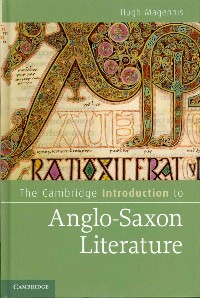
The Cambridge introduction to Anglo-Saxon literature /
副标题:无
作 者:Hugh Magennis.
分类号:
ISBN:9780521519472
微信扫一扫,移动浏览光盘
简介
"An approachable and stimulating introduction to Anglo-Saxon literature, this book provides indispensable guidance for students on this important and rewarding area of literary studies. The chapters are clearly organised by topic and significant attention is paid to key individual works, including Beowulf, The Seafarer and writings by Bede. All textual quotations are translated into modern English, with the original language texts carefully explained. The Introduction synthesises and develops dominant approaches to Anglo-Saxon literature today, integrating Old English and Latin traditions, and placing the literature in larger historical and theoretical contexts. The structure, style and layout is attractive and user-friendly, including illustrative figures and textboxes, and Magennis provides guidance on resources for studying Anglo-Saxon literature, informing the reader of opportunities for investigating the subject further. Overall, the book enables a thorough understanding and appreciation of artful and eloquent works from a distant past, which still speak powerfully to people today"--
目录
Table Of Contents:
List of illustrations viii
Preface ix
Acknowledgements xi
List of abbreviations xii
Chapter 1 Approaching Anglo-Saxon literature 1(35)
Beginnings: Bede's story of Cædmon 1(8)
Studying Anglo-Saxon literature: perspectives and perceptions 9(7)
Anglo-Saxon literary history: an outline 16(14)
Migration and after 17(2)
The early centuries of Christian Anglo-Saxon England 19(4)
Vikings, and the emergence of Wessex 23(3)
Later Anglo-Saxon England: the later tenth and eleventh centuries 26(4)
Cædmon's Hymn: reading an Old English poem 30(3)
Postscript: what's in a name?: Anglo-Saxons, Anglo-Saxon and Old English 33(3)
Chapter 2 Developing literary traditions 36(40)
Old English poetry and its oral Germanic background 36(9)
Writings in Latin 45(8)
Bede 47(2)
Alcuin 49(1)
Aldhelm 50(2)
Other writers 52(1)
Writings in Old English prose 53(13)
The ninth century and writings associated with King Alfred 56(6)
Ælfric and later prose writings 62(4)
Traditions of Christian poetry 66(7)
Postscript: Riddle 47: words oral and written 73(3)
Chapter 3 Varieties of narrative 76(57)
Heroic poetry 77(7)
Action and the hero 79(3)
Beowulf 82(2)
Biblical literature: translations and adaptations in Old English 84(12)
Judith: a biblical adaptation in Old English verse 93(3)
The past and its meaning: writing history 96(20)
Bede's Ecclesiastical History of the English People 103(7)
The Anglo-Saxon Chronicle 110(6)
Christian heroes: writing about the saints 116(14)
A virgin martyr: Juliana 123(4)
An English saint: Alfric's Passion of St Edmund 127(3)
Postscript: gained in translation 130(3)
Chapter 4 Belief, knowledge, experience: some non-narrative strands 133(32)
Old English homilies 133(10)
Explaining scripture: Ælfric on the Innocents 137(3)
Moral exhortation: Wulfstan's Sermon of the Wolf to the English 140(3)
Wisdom and lore 143(10)
The riddles of the Exeter Book 149(4)
Old English elegies 153(9)
Two secular elegies: Wulf and Eadwacer and The Wife's Lament 156(2)
Religious elegy: The Seafarer 158(4)
Postscript: genre and manuscripts 162(3)
Chapter 5 Anglo-Saxon afterlives, medieval to modern: later uses and appropriations of Anglo-Saxon writings 165(25)
Medieval continuities 166(2)
Early modern: recovering Anglo-Saxon England 168(4)
The long eighteenth century: history and politics 172(3)
Nineteenth- and twentieth-century perspectives 175(4)
Creative writers and Anglo-Saxon literature: from Wordsworth and Longfellow to Heaney and the present 179(8)
Postscript: Riddle 60 and The Husband's Message translated by Ciaran Carson 187(3)
Appendix: resources for studying Anglo-Saxon literature 190(5)
Bibliography 195(17)
Index 212
List of illustrations viii
Preface ix
Acknowledgements xi
List of abbreviations xii
Chapter 1 Approaching Anglo-Saxon literature 1(35)
Beginnings: Bede's story of Cædmon 1(8)
Studying Anglo-Saxon literature: perspectives and perceptions 9(7)
Anglo-Saxon literary history: an outline 16(14)
Migration and after 17(2)
The early centuries of Christian Anglo-Saxon England 19(4)
Vikings, and the emergence of Wessex 23(3)
Later Anglo-Saxon England: the later tenth and eleventh centuries 26(4)
Cædmon's Hymn: reading an Old English poem 30(3)
Postscript: what's in a name?: Anglo-Saxons, Anglo-Saxon and Old English 33(3)
Chapter 2 Developing literary traditions 36(40)
Old English poetry and its oral Germanic background 36(9)
Writings in Latin 45(8)
Bede 47(2)
Alcuin 49(1)
Aldhelm 50(2)
Other writers 52(1)
Writings in Old English prose 53(13)
The ninth century and writings associated with King Alfred 56(6)
Ælfric and later prose writings 62(4)
Traditions of Christian poetry 66(7)
Postscript: Riddle 47: words oral and written 73(3)
Chapter 3 Varieties of narrative 76(57)
Heroic poetry 77(7)
Action and the hero 79(3)
Beowulf 82(2)
Biblical literature: translations and adaptations in Old English 84(12)
Judith: a biblical adaptation in Old English verse 93(3)
The past and its meaning: writing history 96(20)
Bede's Ecclesiastical History of the English People 103(7)
The Anglo-Saxon Chronicle 110(6)
Christian heroes: writing about the saints 116(14)
A virgin martyr: Juliana 123(4)
An English saint: Alfric's Passion of St Edmund 127(3)
Postscript: gained in translation 130(3)
Chapter 4 Belief, knowledge, experience: some non-narrative strands 133(32)
Old English homilies 133(10)
Explaining scripture: Ælfric on the Innocents 137(3)
Moral exhortation: Wulfstan's Sermon of the Wolf to the English 140(3)
Wisdom and lore 143(10)
The riddles of the Exeter Book 149(4)
Old English elegies 153(9)
Two secular elegies: Wulf and Eadwacer and The Wife's Lament 156(2)
Religious elegy: The Seafarer 158(4)
Postscript: genre and manuscripts 162(3)
Chapter 5 Anglo-Saxon afterlives, medieval to modern: later uses and appropriations of Anglo-Saxon writings 165(25)
Medieval continuities 166(2)
Early modern: recovering Anglo-Saxon England 168(4)
The long eighteenth century: history and politics 172(3)
Nineteenth- and twentieth-century perspectives 175(4)
Creative writers and Anglo-Saxon literature: from Wordsworth and Longfellow to Heaney and the present 179(8)
Postscript: Riddle 60 and The Husband's Message translated by Ciaran Carson 187(3)
Appendix: resources for studying Anglo-Saxon literature 190(5)
Bibliography 195(17)
Index 212
The Cambridge introduction to Anglo-Saxon literature /
- 名称
- 类型
- 大小
光盘服务联系方式: 020-38250260 客服QQ:4006604884
云图客服:
用户发送的提问,这种方式就需要有位在线客服来回答用户的问题,这种 就属于对话式的,问题是这种提问是否需要用户登录才能提问
Video Player
×
Audio Player
×
pdf Player
×
