

简介
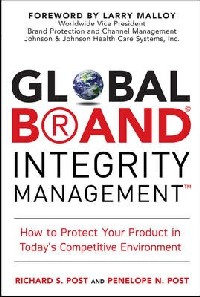
Does your management strategy protect your brand? Who will be the new global business leaders? Those who understand that managing brand and product integrity is crucial to long-term market and financial success. Global Brand Integrity Management presents a blueprint for protecting the core revenue-related assets of your company-brand, product, and information-in the global marketplace. Authors Richard Post and Penelope Post explain why and how to implement a brand/product integrity program, translating security practice into management principles that lower risk, ensure authenticity of products, enhance brand awareness and loyalty, and, ultimately, increase profitability and shareholder value. Among the tools for developing and maintaining your program: Questions CEOs should ask their executives about product integrity Methods for capturing the attention of employees and measuring their performance Risk profiles for key assets developed at each stage of a product's life cycle Best practices for cost-effective, day-to-day management of a brand or product International case studies that illustrate specific problems and the implementation measures taken to protect the brand or product
目录
Foreword p. ix
Preface p. xiii
Acknowledgments p. xv
Introduction p. 1
Rethinking the Business Model with Brand Integrity: An Organizing Concept p. 9
Global Threats: Who's Interested in Your Brand? p. 11
Brand Integrity p. 13
Information Protection p. 15
What's the Problem? p. 22
How Do We Fix It? p. 24
What Questions Should You Ask about Brand Integrity? p. 27
Brand Integrity Is More Than Legal Protection p. 29
Organizing the Business p. 29
Value of Brand Integrity p. 32
Legal Controls for Brand Integrity p. 33
How Much Does Brand Integrity Cost? p. 42
Best Practices p. 43
Dashboard Questions p. 43
If a Product Is Valuable, Somebody Will Try to Take Your Profits p. 45
Key Concepts for the Implementation of Law No. 2 p. 45
A New Way of Thinking Is Required p. 47
Know Your Enemy p. 51
How Are You Organized? p. 54
Benefits to Your Company p. 56
Link between Strategy and Brand Integrity p. 57
Coordinate with Business Strategy across Functional Lines p. 58
Benefits to Specific Management p. 60
Confidence in Products p. 62
Preventing Diversion of Licensed Technology p. 66
Authenticity p. 67
Uncontrolled Counterfeiting p. 72
Patent and Trade Secret Protection p. 73
Gray Market Products and Product Diversion p. 76
Shareholder Value p. 81
Best Practices p. 83
Dashboard Questions p. 83
If You Do Not Protect Your Products, Nobody Will Do It for You p. 85
Types of Product Problems p. 85
Why a Product Protection Program? p. 87
Research and Development Operations p. 89
Product Protection Environment p. 90
Building a Product Protection Program p. 90
Global Brand Integrity Programs p. 98
Research and Development p. 99
Manufacturing p. 106
Controlling Product Problems p. 113
Best Practices to Lower Risks p. 116
Best Practices to Prevent Manufacturing-Related Problems p. 117
Dashboard Questions p. 118
If You Wait until Your Products Are Attacked, You Will Lose p. 119
How to Know If You Are Being Attacked p. 120
Supply Chain Components p. 122
Restricted Shipments p. 125
Checking the Deal p. 126
Marketplace p. 129
Understand Your Supply Chain p. 133
Application of the Due Diligence Process p. 136
Best Practices to Prevent Distribution-Related Problems p. 142
Dashboard Questions p. 143
Protect Your Products, and the Bad Guys Will Attack Your Competition p. 145
How to Stop Attacks p. 147
Get Ahead of the Risk p. 151
Stages in Company Program Development p. 157
How to Proceed p. 159
Best Practices p. 162
Dashboard Questions p. 162
Your Own Products Are Often Your Largest Competitors for Profits p. 163
Do You Know the Risk? p. 164
Gray Market Problems p. 165
Differential Pricing p. 166
Differential Pricing-a Fact of Business p. 176
C.O.P.E. p. 180
Best Practices p. 183
Dashboard Questions p. 184
Continually Monitor the Marketplace to Lower Risks and Increase Profits p. 185
Know Your Markets p. 186
Get Solid Marketplace Data p. 188
Industry Group Initiatives p. 191
Internal Staff Positions p. 193
Why Is It Necessary to Vet Companies? p. 204
Why Is End-User Verification Necessary? p. 204
Suspected Violations p. 205
Best Practices for Product Channel Integrity Verification p. 207
Dashboard Questions p. 211
Brand Integrity as a Basic Management Tool p. 213
Managing the BI Process p. 213
Implementing Brand Integrity p. 216
Strategic Use of Brand Integrity p. 217
Suggested BI Responsibilities and Activities p. 218
Strategic Planning and Program Development p. 221
Protecting Products in the Marketplace p. 224
Product-Launch Readiness p. 232
Corporate and Sector Policies p. 234
Working Relationship p. 234
Risk Reviews and Development of a New BI Policy p. 237
The Delineation of the Corporate Role in BI p. 239
Best Practices p. 245
Dashboard Questions p. 249
Setting Up and Managing a Brand Integrity Program p. 251
Types of Programs p. 252
Approaches to BI p. 254
Current Models p. 258
BI Program Models p. 261
BI Program Operations p. 265
Best Practices p. 279
Dashboard Questions p. 279
Questions the CEO Should Ask about BI Metrics p. 281
Development of BI Performance Standards p. 282
Evaluate Results p. 285
Index p. 303
Preface p. xiii
Acknowledgments p. xv
Introduction p. 1
Rethinking the Business Model with Brand Integrity: An Organizing Concept p. 9
Global Threats: Who's Interested in Your Brand? p. 11
Brand Integrity p. 13
Information Protection p. 15
What's the Problem? p. 22
How Do We Fix It? p. 24
What Questions Should You Ask about Brand Integrity? p. 27
Brand Integrity Is More Than Legal Protection p. 29
Organizing the Business p. 29
Value of Brand Integrity p. 32
Legal Controls for Brand Integrity p. 33
How Much Does Brand Integrity Cost? p. 42
Best Practices p. 43
Dashboard Questions p. 43
If a Product Is Valuable, Somebody Will Try to Take Your Profits p. 45
Key Concepts for the Implementation of Law No. 2 p. 45
A New Way of Thinking Is Required p. 47
Know Your Enemy p. 51
How Are You Organized? p. 54
Benefits to Your Company p. 56
Link between Strategy and Brand Integrity p. 57
Coordinate with Business Strategy across Functional Lines p. 58
Benefits to Specific Management p. 60
Confidence in Products p. 62
Preventing Diversion of Licensed Technology p. 66
Authenticity p. 67
Uncontrolled Counterfeiting p. 72
Patent and Trade Secret Protection p. 73
Gray Market Products and Product Diversion p. 76
Shareholder Value p. 81
Best Practices p. 83
Dashboard Questions p. 83
If You Do Not Protect Your Products, Nobody Will Do It for You p. 85
Types of Product Problems p. 85
Why a Product Protection Program? p. 87
Research and Development Operations p. 89
Product Protection Environment p. 90
Building a Product Protection Program p. 90
Global Brand Integrity Programs p. 98
Research and Development p. 99
Manufacturing p. 106
Controlling Product Problems p. 113
Best Practices to Lower Risks p. 116
Best Practices to Prevent Manufacturing-Related Problems p. 117
Dashboard Questions p. 118
If You Wait until Your Products Are Attacked, You Will Lose p. 119
How to Know If You Are Being Attacked p. 120
Supply Chain Components p. 122
Restricted Shipments p. 125
Checking the Deal p. 126
Marketplace p. 129
Understand Your Supply Chain p. 133
Application of the Due Diligence Process p. 136
Best Practices to Prevent Distribution-Related Problems p. 142
Dashboard Questions p. 143
Protect Your Products, and the Bad Guys Will Attack Your Competition p. 145
How to Stop Attacks p. 147
Get Ahead of the Risk p. 151
Stages in Company Program Development p. 157
How to Proceed p. 159
Best Practices p. 162
Dashboard Questions p. 162
Your Own Products Are Often Your Largest Competitors for Profits p. 163
Do You Know the Risk? p. 164
Gray Market Problems p. 165
Differential Pricing p. 166
Differential Pricing-a Fact of Business p. 176
C.O.P.E. p. 180
Best Practices p. 183
Dashboard Questions p. 184
Continually Monitor the Marketplace to Lower Risks and Increase Profits p. 185
Know Your Markets p. 186
Get Solid Marketplace Data p. 188
Industry Group Initiatives p. 191
Internal Staff Positions p. 193
Why Is It Necessary to Vet Companies? p. 204
Why Is End-User Verification Necessary? p. 204
Suspected Violations p. 205
Best Practices for Product Channel Integrity Verification p. 207
Dashboard Questions p. 211
Brand Integrity as a Basic Management Tool p. 213
Managing the BI Process p. 213
Implementing Brand Integrity p. 216
Strategic Use of Brand Integrity p. 217
Suggested BI Responsibilities and Activities p. 218
Strategic Planning and Program Development p. 221
Protecting Products in the Marketplace p. 224
Product-Launch Readiness p. 232
Corporate and Sector Policies p. 234
Working Relationship p. 234
Risk Reviews and Development of a New BI Policy p. 237
The Delineation of the Corporate Role in BI p. 239
Best Practices p. 245
Dashboard Questions p. 249
Setting Up and Managing a Brand Integrity Program p. 251
Types of Programs p. 252
Approaches to BI p. 254
Current Models p. 258
BI Program Models p. 261
BI Program Operations p. 265
Best Practices p. 279
Dashboard Questions p. 279
Questions the CEO Should Ask about BI Metrics p. 281
Development of BI Performance Standards p. 282
Evaluate Results p. 285
Index p. 303
- 名称
- 类型
- 大小
光盘服务联系方式: 020-38250260 客服QQ:4006604884
云图客服:
用户发送的提问,这种方式就需要有位在线客服来回答用户的问题,这种 就属于对话式的,问题是这种提问是否需要用户登录才能提问
Video Player
×
Audio Player
×
pdf Player
×
