

简介
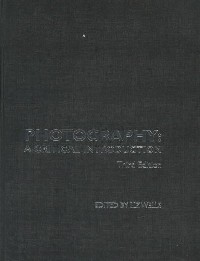
"This fully revised and updated third edition of Photography: A Critical Introduction retains its position as the only introductory textbook to examine the key debates in photographic theory and place them in their social and political contexts. It thus integrates photographic theory with photographic history and critically engages with debates about the nature of photographic seeing. The third edition retains the thematic structure and text features of previous editions but also expands coverage on photojournalism and digital imaging." "Illustrated with 100 black and white photographs and 16 pages of colour plates, it includes images from Bill Brandt, Susan Derges, Rineke Dijkstra, Lee Friedlander, Fran Herbello, Hannah Hoch, Dorothea Lange, Lee Miller, Martin Parr, Ingrid Pollard, Jacob Riis, Alexander Rodchenko, Sebastiao Salgado and Andres Serrano."--BOOK JACKET.
目录
Table Of Contents:
Notes on contributors x
Editor's preface xi
Acknowledgements xiii
Illustration acknowledgements xiv
Introduction 1(8)
Thinking about photography: debates, historically and now 9(56)
Derrick Price
Liz Wells
Introduction 11(1)
Aesthetics and technologies 12(12)
The impact of new technologies 12(1)
Art or technology? 13(4)
The photograph as document 17(1)
Photography and the modern 18(3)
The postmodern 21(3)
Contemporary debates 24(24)
What is theory? 24(1)
Photography theory 25(1)
Critical reflections on realism 26(3)
Reading the image 29(4)
Photography reconsidered 33(2)
Theory, criticism, practice 35(2)
Case study: Image analysis: the example of Migrant Mother 37(11)
Histories of photography 48(7)
Which founding father? 49(1)
The photograph as image 50(2)
History in focus 52(3)
Photography and social history 55(10)
Social history and photography 55(1)
The photograph as testament 56(2)
Categorical photography 58(2)
Institutions and contexts 60(1)
The museum 61(1)
The archive 62(3)
Surveyors and surveyed: photography out and about 65(48)
Derrick Price
Introduction 67(2)
Documentary and photojournalism: issues and definitions 69(6)
Documentary photography 69(1)
Photojournalism 70(1)
Documentary and authenticity 71(2)
The real and the digital 73(2)
Surveys and social facts 75(14)
Victorian surveys and investigations 75(4)
Photographing workers 79(3)
Photography within colonialism 82(4)
Photography and war 86(3)
The construction of documentary 89(10)
Picturing ourselves 90(4)
The Farm Security Administration (FSA) 94(3)
Discussion: Drum 97(2)
Documentary: New cultures, new spaces 99(14)
Theory and the critique of documentary 103(3)
Cultural politics and everyday life 106(3)
Documentary and photojournalism in the global age 109(4)
`Sweet it is to scan . . .': personal photographs and popular photography 113(46)
Patricia Holland
Introduction 115(5)
In and beyond the charmed circle of home 120(28)
The public and the private in personal photography 120(3)
Beyond the domestic 123(2)
Fiction and fantasy 125(1)
Portraits and albums 126(6)
Informality and intimacy 132(1)
The working classes picture themselves 133(5)
Kodak and the mass market 138(6)
The supersnap in Kodaland 144(4)
Paths unholy and deeds without a name? 148(10)
Twenty-first-century contemplations 148(9)
Post-family and post-photography? 157(1)
Acknowledgements 158(1)
The subject as object: photography and the human body 159(34)
Michelle Henning
Introduction 161(3)
The photographic body in crisis 161(3)
Embodying social difference 164(4)
Objects of desire 168(12)
Objectification and images of women 168(2)
Fetishism, voyeurism and pleasure 170(2)
Class and representations of the body 172(2)
The anti-pornography campaigns 174(2)
Photography and homoerotic desire 176(1)
Case study: La Cicciolina 177(3)
Technological bodies 180(9)
The camera as mechanical eye 180(3)
Interventions and scientific images 183(2)
The body as machine 185(2)
Digital imaging and the malleable body 187(2)
Photography, birth and death 189(3)
Summary 192(1)
Spectacles and illusions: photography and commodity culture 193(52)
Anandi Ramamurthy
Introduction: the society of the spectacle 195(13)
Photographic portraiture and commodity culture 196(2)
Photojournalism, glamour and the paparrazzi 198(3)
Commercial photography, image banks and corporate media 201(3)
Commodity spectacles in advertising photography 204(4)
The grammar of the ad 208(6)
Case study: The commodification of human relations and experience
`Omega and Cindy: time together' 208(2)
The photographic message 210(1)
The transfer of meaning 211(1)
The creation of meaning through context and photographic styles 212(2)
Hegemony in photographic representation 214(6)
Photomontage: concealing social relations 215(1)
Concealing labour relations 216(2)
Gendered representations 218(2)
Fashion photography 220(15)
Case study: Tourism, fashion and `the Other' 223(12)
The context of the image 235(10)
Image worlds 236(3)
Case study: Benetton, Toscanini and the limits of advertising 239(6)
On and beyond the white walls: photography as art 245(50)
Liz Wells
Introduction 247(4)
The status of the photograph as art 248(3)
Early debates and practices 251(8)
The complex relations between photography and art 251(1)
Realism and systems of representation 252(1)
Photography extending art 253(3)
Photography claiming a place in the gallery 256(3)
The modern era 259(14)
Modernism and Modern Art 259(3)
Modern photography 262(2)
Photo-eye: new ways of seeing 264(1)
Case study: Art, design, politics: Soviet Constructivism 265(2)
American formalism 267(2)
Case study: Art movements and intellectual currencies: Surrealism 269(4)
Late twentieth-century perspectives 273(11)
Conceptual art and the photographic 273(3)
Photography and the postmodern 276(2)
New constructions 278(2)
Women's photography 280(2)
Questions of identity 282(1)
Identity and the multi-cultural 283(1)
Photography within the institution 284(11)
Appraising the contemporary 285(2)
Curators and collectors 287(1)
Internationalism: festivals and publishing 288(1)
The gallery as context 289(1)
Case study: Landscape as genre 290(5)
Photography in the age of electronic imaging 295(42)
Martin Lister
Introduction 297(7)
Box A: Digital encoding 299(1)
Box B: Digital simulation 300(1)
Box C: Digitising photographs: the initial implications 301(2)
Box D: Analogue and digital 303(1)
A `post-photographic' era? 304(4)
A new way of seeing and the end of the `Cartesian dream'? 305(3)
Walter Benjamin and the precedent of the age of mechanical reproduction 308(9)
The end of photography as we know it? 310(3)
Digitisation and the commodification of images 313(3)
Post-photography, postmodernity and language 316(1)
Technological change and cultural continuity 317(10)
Photography's promiscuity: its historical interface with other technologies, sign systems and images 318(4)
Case study: War and surveillance 322(4)
Case study: Popular entertainment 326(1)
Photodigital: taking stock 327(10)
Remembering photography's nature 328(1)
Our belief in photography's realism 329(2)
The force of the indexical image 331(1)
The reception of digital images 332(1)
Does digital photography exist? 333(1)
Photo-realism versus post-human vision 334(3)
Glossary 337(7)
Photography archives 344(6)
Bibliography 350(9)
Index 359
Notes on contributors x
Editor's preface xi
Acknowledgements xiii
Illustration acknowledgements xiv
Introduction 1(8)
Thinking about photography: debates, historically and now 9(56)
Derrick Price
Liz Wells
Introduction 11(1)
Aesthetics and technologies 12(12)
The impact of new technologies 12(1)
Art or technology? 13(4)
The photograph as document 17(1)
Photography and the modern 18(3)
The postmodern 21(3)
Contemporary debates 24(24)
What is theory? 24(1)
Photography theory 25(1)
Critical reflections on realism 26(3)
Reading the image 29(4)
Photography reconsidered 33(2)
Theory, criticism, practice 35(2)
Case study: Image analysis: the example of Migrant Mother 37(11)
Histories of photography 48(7)
Which founding father? 49(1)
The photograph as image 50(2)
History in focus 52(3)
Photography and social history 55(10)
Social history and photography 55(1)
The photograph as testament 56(2)
Categorical photography 58(2)
Institutions and contexts 60(1)
The museum 61(1)
The archive 62(3)
Surveyors and surveyed: photography out and about 65(48)
Derrick Price
Introduction 67(2)
Documentary and photojournalism: issues and definitions 69(6)
Documentary photography 69(1)
Photojournalism 70(1)
Documentary and authenticity 71(2)
The real and the digital 73(2)
Surveys and social facts 75(14)
Victorian surveys and investigations 75(4)
Photographing workers 79(3)
Photography within colonialism 82(4)
Photography and war 86(3)
The construction of documentary 89(10)
Picturing ourselves 90(4)
The Farm Security Administration (FSA) 94(3)
Discussion: Drum 97(2)
Documentary: New cultures, new spaces 99(14)
Theory and the critique of documentary 103(3)
Cultural politics and everyday life 106(3)
Documentary and photojournalism in the global age 109(4)
`Sweet it is to scan . . .': personal photographs and popular photography 113(46)
Patricia Holland
Introduction 115(5)
In and beyond the charmed circle of home 120(28)
The public and the private in personal photography 120(3)
Beyond the domestic 123(2)
Fiction and fantasy 125(1)
Portraits and albums 126(6)
Informality and intimacy 132(1)
The working classes picture themselves 133(5)
Kodak and the mass market 138(6)
The supersnap in Kodaland 144(4)
Paths unholy and deeds without a name? 148(10)
Twenty-first-century contemplations 148(9)
Post-family and post-photography? 157(1)
Acknowledgements 158(1)
The subject as object: photography and the human body 159(34)
Michelle Henning
Introduction 161(3)
The photographic body in crisis 161(3)
Embodying social difference 164(4)
Objects of desire 168(12)
Objectification and images of women 168(2)
Fetishism, voyeurism and pleasure 170(2)
Class and representations of the body 172(2)
The anti-pornography campaigns 174(2)
Photography and homoerotic desire 176(1)
Case study: La Cicciolina 177(3)
Technological bodies 180(9)
The camera as mechanical eye 180(3)
Interventions and scientific images 183(2)
The body as machine 185(2)
Digital imaging and the malleable body 187(2)
Photography, birth and death 189(3)
Summary 192(1)
Spectacles and illusions: photography and commodity culture 193(52)
Anandi Ramamurthy
Introduction: the society of the spectacle 195(13)
Photographic portraiture and commodity culture 196(2)
Photojournalism, glamour and the paparrazzi 198(3)
Commercial photography, image banks and corporate media 201(3)
Commodity spectacles in advertising photography 204(4)
The grammar of the ad 208(6)
Case study: The commodification of human relations and experience
`Omega and Cindy: time together' 208(2)
The photographic message 210(1)
The transfer of meaning 211(1)
The creation of meaning through context and photographic styles 212(2)
Hegemony in photographic representation 214(6)
Photomontage: concealing social relations 215(1)
Concealing labour relations 216(2)
Gendered representations 218(2)
Fashion photography 220(15)
Case study: Tourism, fashion and `the Other' 223(12)
The context of the image 235(10)
Image worlds 236(3)
Case study: Benetton, Toscanini and the limits of advertising 239(6)
On and beyond the white walls: photography as art 245(50)
Liz Wells
Introduction 247(4)
The status of the photograph as art 248(3)
Early debates and practices 251(8)
The complex relations between photography and art 251(1)
Realism and systems of representation 252(1)
Photography extending art 253(3)
Photography claiming a place in the gallery 256(3)
The modern era 259(14)
Modernism and Modern Art 259(3)
Modern photography 262(2)
Photo-eye: new ways of seeing 264(1)
Case study: Art, design, politics: Soviet Constructivism 265(2)
American formalism 267(2)
Case study: Art movements and intellectual currencies: Surrealism 269(4)
Late twentieth-century perspectives 273(11)
Conceptual art and the photographic 273(3)
Photography and the postmodern 276(2)
New constructions 278(2)
Women's photography 280(2)
Questions of identity 282(1)
Identity and the multi-cultural 283(1)
Photography within the institution 284(11)
Appraising the contemporary 285(2)
Curators and collectors 287(1)
Internationalism: festivals and publishing 288(1)
The gallery as context 289(1)
Case study: Landscape as genre 290(5)
Photography in the age of electronic imaging 295(42)
Martin Lister
Introduction 297(7)
Box A: Digital encoding 299(1)
Box B: Digital simulation 300(1)
Box C: Digitising photographs: the initial implications 301(2)
Box D: Analogue and digital 303(1)
A `post-photographic' era? 304(4)
A new way of seeing and the end of the `Cartesian dream'? 305(3)
Walter Benjamin and the precedent of the age of mechanical reproduction 308(9)
The end of photography as we know it? 310(3)
Digitisation and the commodification of images 313(3)
Post-photography, postmodernity and language 316(1)
Technological change and cultural continuity 317(10)
Photography's promiscuity: its historical interface with other technologies, sign systems and images 318(4)
Case study: War and surveillance 322(4)
Case study: Popular entertainment 326(1)
Photodigital: taking stock 327(10)
Remembering photography's nature 328(1)
Our belief in photography's realism 329(2)
The force of the indexical image 331(1)
The reception of digital images 332(1)
Does digital photography exist? 333(1)
Photo-realism versus post-human vision 334(3)
Glossary 337(7)
Photography archives 344(6)
Bibliography 350(9)
Index 359
- 名称
- 类型
- 大小
光盘服务联系方式: 020-38250260 客服QQ:4006604884
云图客服:
用户发送的提问,这种方式就需要有位在线客服来回答用户的问题,这种 就属于对话式的,问题是这种提问是否需要用户登录才能提问
Video Player
×
Audio Player
×
pdf Player
×
