

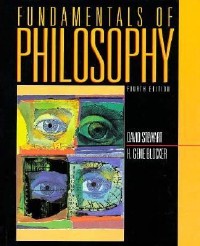
简介
This reader offers a broad scope and diversity of classic and contemporary selections -- and a narrative and format that presents difficult issues and readings in a simplified but not condescending manner. Covers the full range of philosophical questions. Organizes readings and narrative into topical sections, each of which addresses a particular facet of philosophical thought -- logic, metaphysics, epistemology, ethics, philosophy of religion, esthetics, and social/political philosophy. Represents a wide range of philosophical styles and temperaments -- from Kant, Berkeley, Hume, and Descartes to Tolstoy, Sartre and Susan Sontag.
目录
What is Philosophy?
The Activity of Philosophy
Philosophy of Everyday Life
Reading: Stewart, Philosophy and Popular Culture
Philosophy's History
Philosophy and the Examined Life
Reading: Socrates, In Defense of Philosophy
Thinking about Thinking (Logic)
The Life of Reason
Argument Forms
Induction and the Philosophy of Science
Strategies for Philosophical Argument
Reading: Thomas A. Shipka, Are You a Critical Thinker?
What is Real. (Metaphysics)
Introduction to Metaphysics
Materialism
Reading: Epicurus, First Principle of Materialism
Idealism
Reading: George Berkeley, Three Dialogues Between Hylas and Philonous
The Mind-Body Problem
Reading: Richard Taylor, Materialism and Personal Identity
Metaphysics and Language
Reading: Ludwig Wittgenstein, Philosophical Investigations
How Do We Know? (Epistemology)
Introduction to Epistemology
Appearance and Reality
Reading: Plato, The Visible and the Invisible
The Quest for Certainty
Reading: Reneacute; Descartes, Mediations
Trust Your Senses
Reading: David Hume, Skeptical Doubts Concerning the Operations of the Understanding
A Compromise
Reading: Immanuel Kant, Two Sources of Knowledge
What Ought we to do? (Ethics)
Introduction to Ethical Reasoning
The Need for Morality
Reading: Thomas Hobbes, Leviathan
The Morality of Self-Realization
Reading: Aristotle, Nicomachean Ethics
Morality Depends on the Consequences
Reading: John Stuart Mill, Utilitarianism
Morality Depends on Motives
Reading: Immanuel Kant, Foundations of the Metaphysics of Morals
Philosophy of Religion
Introduction to Philosophy and Religion
Religion and Life's Meaning
The Activity of Philosophy
Philosophy of Everyday Life
Reading: Stewart, Philosophy and Popular Culture
Philosophy's History
Philosophy and the Examined Life
Reading: Socrates, In Defense of Philosophy
Thinking about Thinking (Logic)
The Life of Reason
Argument Forms
Induction and the Philosophy of Science
Strategies for Philosophical Argument
Reading: Thomas A. Shipka, Are You a Critical Thinker?
What is Real. (Metaphysics)
Introduction to Metaphysics
Materialism
Reading: Epicurus, First Principle of Materialism
Idealism
Reading: George Berkeley, Three Dialogues Between Hylas and Philonous
The Mind-Body Problem
Reading: Richard Taylor, Materialism and Personal Identity
Metaphysics and Language
Reading: Ludwig Wittgenstein, Philosophical Investigations
How Do We Know? (Epistemology)
Introduction to Epistemology
Appearance and Reality
Reading: Plato, The Visible and the Invisible
The Quest for Certainty
Reading: Reneacute; Descartes, Mediations
Trust Your Senses
Reading: David Hume, Skeptical Doubts Concerning the Operations of the Understanding
A Compromise
Reading: Immanuel Kant, Two Sources of Knowledge
What Ought we to do? (Ethics)
Introduction to Ethical Reasoning
The Need for Morality
Reading: Thomas Hobbes, Leviathan
The Morality of Self-Realization
Reading: Aristotle, Nicomachean Ethics
Morality Depends on the Consequences
Reading: John Stuart Mill, Utilitarianism
Morality Depends on Motives
Reading: Immanuel Kant, Foundations of the Metaphysics of Morals
Philosophy of Religion
Introduction to Philosophy and Religion
Religion and Life's Meaning
- 名称
- 类型
- 大小
光盘服务联系方式: 020-38250260 客服QQ:4006604884
云图客服:
用户发送的提问,这种方式就需要有位在线客服来回答用户的问题,这种 就属于对话式的,问题是这种提问是否需要用户登录才能提问
Video Player
×
Audio Player
×
pdf Player
×
