

简介
Summary:
Publisher Summary 1
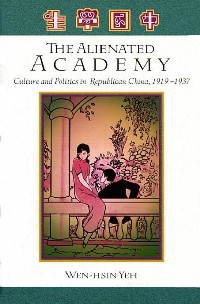
The enormous changes in twentieth-century Chinese higher education up to the Sino-Japanese War are detailed in this pioneering work. Yeh examines the impact of instruction in English and of the introduction of science and engineering into the curriculum. Such innovations spurred the movement of higher education away from the gentry academies focused on classical studies and propelled it toward modern middle-class colleges with diverse programs.Yeh provides a typology of Chinese institutions of higher learning in the Republican period and detailed studies of representative universities. She also describes student life and prominent academic personalities in various seats of higher learning. Social changes and the political ferment outside the academy affected students and faculty alike, giving rise, as Yeh contends, to a sense of alienation on the eve of war.
目录
Table Of Contents:
Preface and Acknowledgments xi
Introduction 1(6)
Language and Learning 7(42)
The Use of English in Chinese Colleges 10(2)
Translation versus Composition: a Question of Cultural Priority 12(7)
Teaching English in Hinterland 19(3)
Classical Learning in Beijing: 1920s 22(6)
Chinese Learning in Republican Academia outside Beijing 28(4)
High Culture and Philogical Rigor 32(5)
Decoding the Classicists: Culture, Nation, and Philology 37(5)
Qinghua's Chinese Examination Controversy of 1933 42(7)
St. John's University and the Culture of the Shanghai Bourgeoisie 49(40)
Shanghai: The Social Landscape 51(4)
Shanghai: The Cultural Setting 55(4)
The Founding of St. John's: Sacred or Secular? 59(4)
English Over Chinese: ``A Christian Civilization of Commerce and Science'' 63(2)
The Social Composition of St. John's 65(4)
``Esprit de Corps'': The Cultural Style of the Shanghai Bourgeoisie 69(8)
The Challenge of Nationalism 77(12)
From Gentry Academies to Middle-Class Colleges 89(40)
Communications University and the Rise of a Technocratic Elite 93(4)
The Place of National Learning in an Engineering Program 97(5)
The Genesis of Private Chinese Colleges in Shanghai 102(6)
China College and the Commercialization of Private Institutions 108(4)
The Case of Fudan 112(5)
Nanjing and the Political Climate of Higher Education 117(2)
The Politics of Intellectual Networks 119(4)
Confrontation with Nanjing: Middle Class Colleges and Liberal Politics 123(2)
The Dilemma of Middle-Class Colleges 125(4)
Shanghai University and the Ideal of Revolution 129(38)
Shanghai University as Myth and Reality 136(3)
The Genesis of a Radical Institution 139(3)
The Funding of a Revolutionary Experiment in a Pre-Revolutionary Society 142(5)
To Link Classrooms to the Streets 147(3)
A Radical Critique of Learning 150(3)
The Intellectual Agenda of the Revolution 153(3)
Popular Socialism and Its Radical Following 156(5)
The Juxtaposition of Memory and Process 161(3)
A Violent End 164(3)
Danghua: Under the Guidance of the Party 167(16)
Laissez-Faire and Efflorescence: Shanghai before the Coming of the Nationalists 169(3)
Regulation and Allocation: The Role of the Nationalists in Higher Education 172(1)
Danghua and the Model of Zhongshan University 173(3)
Partification and State Penetration of the Colleges 176(3)
Nanjing and the Provincial Outlook 179(4)
College Life and the Costs of Style 183(46)
Unemployment and Unemployability in the Wake of the Great Depression 186(9)
Tuition and Fees 195(4)
Payment and Collection 199(3)
Diploma Mills 202(4)
Style as a Cultural and Political Question 206(2)
The Structured Life on an Enclosed Campus: Yenching and Qinghua 208(2)
In Loco Parentis: Student Life in Private Shanghai Colleges 210(3)
Sports 213(3)
Beijing University and the Poor Scholar in Chinese Gown 216(6)
The Gown, the Suit, and the Uniform 222(4)
The Juxtaposition of Images 226(3)
``This Alien Place'': Student Culture Beyond the May Fourth Movement 229(60)
To the Depth of Despondency: A Literary Perspective 233(2)
The Class Nature of Disillusionment and Loneliness: a Debate 235(5)
The Hope in Love: Ba Jin's Extinction 240(2)
The Shape of Their Dismay: Two Views 242(3)
The Absence of a Moral Community 245(2)
In the Midst of a Cheerless Universe: College Students' Views of Life 247(2)
The Resurgence of an Aestheticism of Melancholy 249(3)
A Different Kind of Iconoclasm 252(2)
Unhappy Families 254(2)
The Escape to Love and Science 256(3)
The Polarization of Self and Society 259(2)
Self, Society, Technology, and Modernization: The Nationalist Solution 261(3)
The Fusion of the Public and the Private: The Revolutionists' View 264(6)
An Ethic of Aestheticism 270(5)
The Ultimate Tragedy 275(14)
Notes 289(100)
Bibliography 389(34)
Glossary 423(6)
Index 429
Preface and Acknowledgments xi
Introduction 1(6)
Language and Learning 7(42)
The Use of English in Chinese Colleges 10(2)
Translation versus Composition: a Question of Cultural Priority 12(7)
Teaching English in Hinterland 19(3)
Classical Learning in Beijing: 1920s 22(6)
Chinese Learning in Republican Academia outside Beijing 28(4)
High Culture and Philogical Rigor 32(5)
Decoding the Classicists: Culture, Nation, and Philology 37(5)
Qinghua's Chinese Examination Controversy of 1933 42(7)
St. John's University and the Culture of the Shanghai Bourgeoisie 49(40)
Shanghai: The Social Landscape 51(4)
Shanghai: The Cultural Setting 55(4)
The Founding of St. John's: Sacred or Secular? 59(4)
English Over Chinese: ``A Christian Civilization of Commerce and Science'' 63(2)
The Social Composition of St. John's 65(4)
``Esprit de Corps'': The Cultural Style of the Shanghai Bourgeoisie 69(8)
The Challenge of Nationalism 77(12)
From Gentry Academies to Middle-Class Colleges 89(40)
Communications University and the Rise of a Technocratic Elite 93(4)
The Place of National Learning in an Engineering Program 97(5)
The Genesis of Private Chinese Colleges in Shanghai 102(6)
China College and the Commercialization of Private Institutions 108(4)
The Case of Fudan 112(5)
Nanjing and the Political Climate of Higher Education 117(2)
The Politics of Intellectual Networks 119(4)
Confrontation with Nanjing: Middle Class Colleges and Liberal Politics 123(2)
The Dilemma of Middle-Class Colleges 125(4)
Shanghai University and the Ideal of Revolution 129(38)
Shanghai University as Myth and Reality 136(3)
The Genesis of a Radical Institution 139(3)
The Funding of a Revolutionary Experiment in a Pre-Revolutionary Society 142(5)
To Link Classrooms to the Streets 147(3)
A Radical Critique of Learning 150(3)
The Intellectual Agenda of the Revolution 153(3)
Popular Socialism and Its Radical Following 156(5)
The Juxtaposition of Memory and Process 161(3)
A Violent End 164(3)
Danghua: Under the Guidance of the Party 167(16)
Laissez-Faire and Efflorescence: Shanghai before the Coming of the Nationalists 169(3)
Regulation and Allocation: The Role of the Nationalists in Higher Education 172(1)
Danghua and the Model of Zhongshan University 173(3)
Partification and State Penetration of the Colleges 176(3)
Nanjing and the Provincial Outlook 179(4)
College Life and the Costs of Style 183(46)
Unemployment and Unemployability in the Wake of the Great Depression 186(9)
Tuition and Fees 195(4)
Payment and Collection 199(3)
Diploma Mills 202(4)
Style as a Cultural and Political Question 206(2)
The Structured Life on an Enclosed Campus: Yenching and Qinghua 208(2)
In Loco Parentis: Student Life in Private Shanghai Colleges 210(3)
Sports 213(3)
Beijing University and the Poor Scholar in Chinese Gown 216(6)
The Gown, the Suit, and the Uniform 222(4)
The Juxtaposition of Images 226(3)
``This Alien Place'': Student Culture Beyond the May Fourth Movement 229(60)
To the Depth of Despondency: A Literary Perspective 233(2)
The Class Nature of Disillusionment and Loneliness: a Debate 235(5)
The Hope in Love: Ba Jin's Extinction 240(2)
The Shape of Their Dismay: Two Views 242(3)
The Absence of a Moral Community 245(2)
In the Midst of a Cheerless Universe: College Students' Views of Life 247(2)
The Resurgence of an Aestheticism of Melancholy 249(3)
A Different Kind of Iconoclasm 252(2)
Unhappy Families 254(2)
The Escape to Love and Science 256(3)
The Polarization of Self and Society 259(2)
Self, Society, Technology, and Modernization: The Nationalist Solution 261(3)
The Fusion of the Public and the Private: The Revolutionists' View 264(6)
An Ethic of Aestheticism 270(5)
The Ultimate Tragedy 275(14)
Notes 289(100)
Bibliography 389(34)
Glossary 423(6)
Index 429
- 名称
- 类型
- 大小
光盘服务联系方式: 020-38250260 客服QQ:4006604884
云图客服:
用户发送的提问,这种方式就需要有位在线客服来回答用户的问题,这种 就属于对话式的,问题是这种提问是否需要用户登录才能提问
Video Player
×
Audio Player
×
pdf Player
×
