

简介
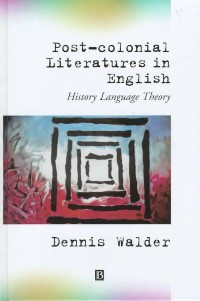
In this original and accessible introduction to post-colonial literatures in English, Dennis Walder guides the reader through the historical, linguistic and theoretical issues that inform post-colonial literary study. He then goes on to provide three detailed case studies, focusing upon Indian fiction in English, Caribbean and Black British poetry and contemporary South African literature. In a searching final chapter he considers, through a focusupon work by Ariel Dorfman, V. S. Naipaul and Michael Ondaatje, the questions of what might follow 'After Post-Colonialism'. Among the writers and theorists discussed are: Achebe, Brathwaite, Bhaba, Gordimer, Fanon, Freud, Henry Louis Gates, Jr, C. L. R. James, Marx, Mhlophe, Miller, Narayan, Ngugi, Nichols, Said, Sahgal, Sartre, Spivak, Trivedi and Walcott
目录
Table Of Contents:
Preface and Acknowledgements ix
1 Introducing the Post-Colonial 1(22)
The Arrival of the Post(-Colonial) 1(5)
Changing Perspective: Things Fall Apart 6(4)
Language, Audience and Genre 10(4)
Culture and Identity 14(2)
The Gender Agenda 16(2)
Summary 18(5)
Part I Studying Post-Colonial Literatures 23(64)
2 History 23(19)
Making History 23(3)
Whose History? 26(3)
The `Other' View 29(4)
Slavery and the `Civilizing Mission' 33(3)
The `New Imperialism' and Resistance 36(2)
From Empire to Commonwealth 38(2)
Summary 40(2)
3 Language 42(14)
A Language That Is Not One's Own 42(3)
Pidgins, Creoles and `Nation Language' 45(3)
Pomfrets and Patois 48(4)
Decolonizing the Mind 52(2)
Summary 54(2)
4 Theory 56(31)
Why Theory? 56(1)
The Arrival of Theory 57(2)
Why Post-Colonial Theory? 59(2)
The Commonwealth Project 61(3)
New Writings 64(2)
The Arrival of the Post-Colonial 66(4)
The Said Enterprise: Reading the Other 70(2)
Back to Fanon: Recovering the Material from the Textual 72(6)
Nervous Conditions: From Fanon to Bhabha and Spivak 78(3)
Summary 81(6)
Part II Case Studies 87(123)
5 Indo-Anglian Fiction: Narayan and Sahgal 87(29)
Authority and Creativity 87(2)
The Right to Write: The Language of Indo-Anglian Literature 89(5)
Imagining Place: The Making of Malgudi 94(3)
Signs of the Times: Myth and Modernity 97(5)
Reclaiming the Flow of History 102(7)
Can the Subaltern Speak? 109(4)
Summary 113(3)
6 Caribbean and Black British Poetry 116(36)
A Diaspora Aesthetic 116(5)
Walcott: `Either I'm Nobody, or I'm a Nation' 121(9)
Brathwaite: Caliban at the Carnival? 130(10)
New Voices, New Memories: Johnson, Berry and Nichols 140(8)
Summary 148(4)
7 South African Literature in the Interregnum 152(37)
Colonial or Post-Colonial? 152(4)
What is South African Literature? 156(3)
Decolonizing the Colonial Imagination: The Conservationist 159(10)
Other Voices: Poetry and its Formation 169(10)
Other Voices: Drama and its Formation 179(7)
Summary 186(3)
8 After Post-Colonialism? 189(21)
Where are `We' Now 189(2)
Producing the Post-Colonial Text 191(5)
Others Again: Citizens of the World or Arrivants? 196(6)
The Cultural Mediation of the Post-Colonial Text 202(5)
Summary and Conclusion 207(3)
Select Bibliography 210(10)
Index 220
Preface and Acknowledgements ix
1 Introducing the Post-Colonial 1(22)
The Arrival of the Post(-Colonial) 1(5)
Changing Perspective: Things Fall Apart 6(4)
Language, Audience and Genre 10(4)
Culture and Identity 14(2)
The Gender Agenda 16(2)
Summary 18(5)
Part I Studying Post-Colonial Literatures 23(64)
2 History 23(19)
Making History 23(3)
Whose History? 26(3)
The `Other' View 29(4)
Slavery and the `Civilizing Mission' 33(3)
The `New Imperialism' and Resistance 36(2)
From Empire to Commonwealth 38(2)
Summary 40(2)
3 Language 42(14)
A Language That Is Not One's Own 42(3)
Pidgins, Creoles and `Nation Language' 45(3)
Pomfrets and Patois 48(4)
Decolonizing the Mind 52(2)
Summary 54(2)
4 Theory 56(31)
Why Theory? 56(1)
The Arrival of Theory 57(2)
Why Post-Colonial Theory? 59(2)
The Commonwealth Project 61(3)
New Writings 64(2)
The Arrival of the Post-Colonial 66(4)
The Said Enterprise: Reading the Other 70(2)
Back to Fanon: Recovering the Material from the Textual 72(6)
Nervous Conditions: From Fanon to Bhabha and Spivak 78(3)
Summary 81(6)
Part II Case Studies 87(123)
5 Indo-Anglian Fiction: Narayan and Sahgal 87(29)
Authority and Creativity 87(2)
The Right to Write: The Language of Indo-Anglian Literature 89(5)
Imagining Place: The Making of Malgudi 94(3)
Signs of the Times: Myth and Modernity 97(5)
Reclaiming the Flow of History 102(7)
Can the Subaltern Speak? 109(4)
Summary 113(3)
6 Caribbean and Black British Poetry 116(36)
A Diaspora Aesthetic 116(5)
Walcott: `Either I'm Nobody, or I'm a Nation' 121(9)
Brathwaite: Caliban at the Carnival? 130(10)
New Voices, New Memories: Johnson, Berry and Nichols 140(8)
Summary 148(4)
7 South African Literature in the Interregnum 152(37)
Colonial or Post-Colonial? 152(4)
What is South African Literature? 156(3)
Decolonizing the Colonial Imagination: The Conservationist 159(10)
Other Voices: Poetry and its Formation 169(10)
Other Voices: Drama and its Formation 179(7)
Summary 186(3)
8 After Post-Colonialism? 189(21)
Where are `We' Now 189(2)
Producing the Post-Colonial Text 191(5)
Others Again: Citizens of the World or Arrivants? 196(6)
The Cultural Mediation of the Post-Colonial Text 202(5)
Summary and Conclusion 207(3)
Select Bibliography 210(10)
Index 220
- 名称
- 类型
- 大小
光盘服务联系方式: 020-38250260 客服QQ:4006604884
云图客服:
用户发送的提问,这种方式就需要有位在线客服来回答用户的问题,这种 就属于对话式的,问题是这种提问是否需要用户登录才能提问
Video Player
×
Audio Player
×
pdf Player
×
