

简介
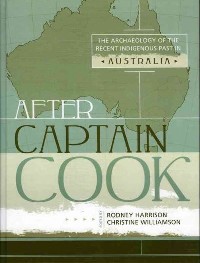
Harrison (New South Wales National Parks and Wildlife Service, Sydney) and Williamson (heritage consultant, Melbourne) introduce this collection by explaining that they chose its title to evoke the figure central to Australia's colonial mythology, who is also a figure in Indigenous literature critiquing those myths. The title captures the central subject of the volume: the application of the historical archeology of Aboriginal Australia in researching the shared history of Aboriginal and settler Australians. Drawing on case studies from across the continent, the contributors demonstrate the ways archeology can illuminate the responses of Indigenous Australians to European settlement and colonization. Annotation 漏2004 Book News, Inc., Portland, OR (booknews.com)
目录
Figures p. ix
Tables p. xi
Foreword p. xiii
Introduction: 'Too many Captain Cooks'? An archaeology of Aboriginal Australia after 1788 p. 1
Introduction p. 2
Captain Cook and the Historical Archaeology of Aboriginal Australia p. 3
Rationale for the Volume p. 4
The problem of 'tradition' and 'change': Contact archaeology and native title p. 5
Structure of the Volume p. 7
Research on the archaeology of the recent Indigenous past in Australia p. 7
Native title and the archaeology of the recent Aboriginal past p. 8
Contact archaeology and heritage management p. 8
Conclusion p. 9
References p. 10
Research on the Archaeology of the Recent Indigenous Past in Australia
The Mjoberg collection and contact period Aboriginal material culture from north-east Queensland's rainforest region p. 17
Introduction p. 18
Environmental background p. 18
Sources of ethnographic information p. 19
Research Results p. 21
Characteristic rainforest artefacts p. 21
Two curiosities p. 25
Variability in Material Culture between Groups p. 27
Evidence for Aboriginal-European Contact p. 29
Conclusion p. 32
Acknowledgments p. 33
References p. 33
Shared histories and the archaeology of the pastoral industry in Australia p. 37
Introduction p. 38
Shared Histories and the Continuity of Australian (Pre)History p. 38
The shared histories of the pastoral industry in Australia p. 40
Hidden histories/'singing the country' p. 41
Case Studies in the Archaeology of the Pastoral Industry p. 43
Previous studies p. 43
Old Lamboo, south-east Kimberley, Western Australia p. 43
Shared Histories of the Pastoral Industry in NSW p. 46
East Kunderang, Oxley Wild Rivers NP, north-east NSW p. 47
Kunderang and the archaeology of a colonial palimpsest p. 49
Dennawan, north-west NSW p. 50
Conclusion: A Shared History? p. 51
Acknowledgments p. 52
References p. 53
'This civilising experiment': Photography at Coranderrk Aboriginal Station during the 1860s p. 59
Introduction p. 60
Colonial discourse p. 60
Newspaper engravings p. 61
'Australian Aborigines Under Civilisation' p. 63
Page one: The panorama p. 63
Coranderrk as Goshen, a 'land of light and plenty' p. 66
Intercolonial exhibition panel 1866 p. 69
Green album p. 70
Conclusion p. 72
Acknowledgments p. 72
References p. 72
Finding meaning in the patterns: The analysis of material culture from a contact site in Tasmania p. 75
Introduction p. 76
Historical Background p. 77
The Archaeology of Burghley p. 79
The Aboriginal assemblages p. 81
The European assemblages p. 89
The unknown assemblages p. 95
Conclusion p. 98
References p. 99
Native Title and the Archaeology of the Recent Aboriginal Past
Legislating the past: Native title and the history of Aboriginal Australia p. 105
Introduction p. 106
Understanding native title p. 107
The implications of cultural change p. 109
Findings of fact and problems of truth p. 110
Making the past plausible: Writing histories for native title p. 113
Conclusion p. 115
References p. 115
Can archaeology be used to address the principle of exclusive possession in native title? p. 121
Introduction p. 122
Exclusive possession and beneficial ownership in native title p. 122
Theoretical considerations of continuity and transformation after contact p. 122
The problem of defining the land-owning and land-using group in native title p. 123
Archaeological Evidence in Native Title and the Emerging Problem of Boundaries p. 124
Explorations in ethnicity and boundedness--art and bifacial points p. 124
Art as an indicator of identity and social space p. 125
Kimberley points and their capacity to inform on identity and exchange systems p. 127
Conclusion p. 129
References p. 129
Contact Archaeology and Heritage Management
An archaeology of attachment: Cultural heritage and the post-contact p. 105
Introduction p. 136
Post-colonial subversions p. 137
Locality, heritage and post-contact archaeology p. 138
Social significance and the post-contact: A nexus of neglect p. 140
The inadequacy of background research in EIA p. 142
The problem of detectability p. 143
Certain intangibles p. 144
Conclusion p. 145
References p. 145
Recent investigations at the Ebenezer Mission cemetery p. 147
Introduction p. 148
Review p. 148
Ebenezer Mission p. 149
Investigative Techniques p. 151
Documentary history p. 151
Oral history p. 154
Ground penetrating radar (GPR) p. 154
Re-establishment survey from 1904 plan p. 154
Investigation of micro-topography and surface vegetation p. 157
Ground magnetic survey p. 158
Further options p. 158
Extent and Layout of the Ebenezer Mission Cemetery p. 160
Conclusion p. 162
Acknowledgments p. 162
References p. 162
Deaths at Ebenezer Mission 1861-1918 p. 165
Places people value: Social significance and cultural exchange in post-invasion Australia p. 171
Introduction p. 172
Contact Sites, Social Significance and Cultural Exchange in Northern Cape York p. 173
Social Significance as an Indicator of Continuing Cultural Exchange p. 176
Social significance in the assessment of the heritage values of NSW forests p. 178
Discussion p. 182
A rose by any other name? p. 182
The rationale for community value/social significance p. 183
Conclusion p. 184
Acknowledgments p. 185
References p. 186
A past remembered: Aboriginal 'historical' places in central Queensland p. 191
Introduction p. 192
Historical Background p. 192
Methodology p. 195
Description of Places p. 197
Early contact p. 197
Massacres or violent incidents p. 198
Native Mounted Police camps p. 198
Historical cemeteries and burials p. 198
Yambas p. 198
Town camps p. 198
Station camps p. 199
Drover's and stockmen's camps p. 199
Post-contact archaeological places p. 199
Ceremonial, spiritual and story places p. 199
Resource or 'good food' places p. 199
Travel routes p. 199
Settlements, missions and reserves p. 200
Birthplaces p. 200
Miscellaneous p. 200
Discussion p. 200
Conclusion p. 208
Acknowledgments p. 209
References p. 210
Epilogue: An archaeology of Indigenous/non-Indigenous Australia from 1788 p. 213
Introduction p. 214
The Current State of Play p. 214
A Sharper Focus on 'Shared Histories' p. 217
Developing 'Conjectural Histories' p. 219
References p. 220
Index p. 225
About the Contributors p. 229
Tables p. xi
Foreword p. xiii
Introduction: 'Too many Captain Cooks'? An archaeology of Aboriginal Australia after 1788 p. 1
Introduction p. 2
Captain Cook and the Historical Archaeology of Aboriginal Australia p. 3
Rationale for the Volume p. 4
The problem of 'tradition' and 'change': Contact archaeology and native title p. 5
Structure of the Volume p. 7
Research on the archaeology of the recent Indigenous past in Australia p. 7
Native title and the archaeology of the recent Aboriginal past p. 8
Contact archaeology and heritage management p. 8
Conclusion p. 9
References p. 10
Research on the Archaeology of the Recent Indigenous Past in Australia
The Mjoberg collection and contact period Aboriginal material culture from north-east Queensland's rainforest region p. 17
Introduction p. 18
Environmental background p. 18
Sources of ethnographic information p. 19
Research Results p. 21
Characteristic rainforest artefacts p. 21
Two curiosities p. 25
Variability in Material Culture between Groups p. 27
Evidence for Aboriginal-European Contact p. 29
Conclusion p. 32
Acknowledgments p. 33
References p. 33
Shared histories and the archaeology of the pastoral industry in Australia p. 37
Introduction p. 38
Shared Histories and the Continuity of Australian (Pre)History p. 38
The shared histories of the pastoral industry in Australia p. 40
Hidden histories/'singing the country' p. 41
Case Studies in the Archaeology of the Pastoral Industry p. 43
Previous studies p. 43
Old Lamboo, south-east Kimberley, Western Australia p. 43
Shared Histories of the Pastoral Industry in NSW p. 46
East Kunderang, Oxley Wild Rivers NP, north-east NSW p. 47
Kunderang and the archaeology of a colonial palimpsest p. 49
Dennawan, north-west NSW p. 50
Conclusion: A Shared History? p. 51
Acknowledgments p. 52
References p. 53
'This civilising experiment': Photography at Coranderrk Aboriginal Station during the 1860s p. 59
Introduction p. 60
Colonial discourse p. 60
Newspaper engravings p. 61
'Australian Aborigines Under Civilisation' p. 63
Page one: The panorama p. 63
Coranderrk as Goshen, a 'land of light and plenty' p. 66
Intercolonial exhibition panel 1866 p. 69
Green album p. 70
Conclusion p. 72
Acknowledgments p. 72
References p. 72
Finding meaning in the patterns: The analysis of material culture from a contact site in Tasmania p. 75
Introduction p. 76
Historical Background p. 77
The Archaeology of Burghley p. 79
The Aboriginal assemblages p. 81
The European assemblages p. 89
The unknown assemblages p. 95
Conclusion p. 98
References p. 99
Native Title and the Archaeology of the Recent Aboriginal Past
Legislating the past: Native title and the history of Aboriginal Australia p. 105
Introduction p. 106
Understanding native title p. 107
The implications of cultural change p. 109
Findings of fact and problems of truth p. 110
Making the past plausible: Writing histories for native title p. 113
Conclusion p. 115
References p. 115
Can archaeology be used to address the principle of exclusive possession in native title? p. 121
Introduction p. 122
Exclusive possession and beneficial ownership in native title p. 122
Theoretical considerations of continuity and transformation after contact p. 122
The problem of defining the land-owning and land-using group in native title p. 123
Archaeological Evidence in Native Title and the Emerging Problem of Boundaries p. 124
Explorations in ethnicity and boundedness--art and bifacial points p. 124
Art as an indicator of identity and social space p. 125
Kimberley points and their capacity to inform on identity and exchange systems p. 127
Conclusion p. 129
References p. 129
Contact Archaeology and Heritage Management
An archaeology of attachment: Cultural heritage and the post-contact p. 105
Introduction p. 136
Post-colonial subversions p. 137
Locality, heritage and post-contact archaeology p. 138
Social significance and the post-contact: A nexus of neglect p. 140
The inadequacy of background research in EIA p. 142
The problem of detectability p. 143
Certain intangibles p. 144
Conclusion p. 145
References p. 145
Recent investigations at the Ebenezer Mission cemetery p. 147
Introduction p. 148
Review p. 148
Ebenezer Mission p. 149
Investigative Techniques p. 151
Documentary history p. 151
Oral history p. 154
Ground penetrating radar (GPR) p. 154
Re-establishment survey from 1904 plan p. 154
Investigation of micro-topography and surface vegetation p. 157
Ground magnetic survey p. 158
Further options p. 158
Extent and Layout of the Ebenezer Mission Cemetery p. 160
Conclusion p. 162
Acknowledgments p. 162
References p. 162
Deaths at Ebenezer Mission 1861-1918 p. 165
Places people value: Social significance and cultural exchange in post-invasion Australia p. 171
Introduction p. 172
Contact Sites, Social Significance and Cultural Exchange in Northern Cape York p. 173
Social Significance as an Indicator of Continuing Cultural Exchange p. 176
Social significance in the assessment of the heritage values of NSW forests p. 178
Discussion p. 182
A rose by any other name? p. 182
The rationale for community value/social significance p. 183
Conclusion p. 184
Acknowledgments p. 185
References p. 186
A past remembered: Aboriginal 'historical' places in central Queensland p. 191
Introduction p. 192
Historical Background p. 192
Methodology p. 195
Description of Places p. 197
Early contact p. 197
Massacres or violent incidents p. 198
Native Mounted Police camps p. 198
Historical cemeteries and burials p. 198
Yambas p. 198
Town camps p. 198
Station camps p. 199
Drover's and stockmen's camps p. 199
Post-contact archaeological places p. 199
Ceremonial, spiritual and story places p. 199
Resource or 'good food' places p. 199
Travel routes p. 199
Settlements, missions and reserves p. 200
Birthplaces p. 200
Miscellaneous p. 200
Discussion p. 200
Conclusion p. 208
Acknowledgments p. 209
References p. 210
Epilogue: An archaeology of Indigenous/non-Indigenous Australia from 1788 p. 213
Introduction p. 214
The Current State of Play p. 214
A Sharper Focus on 'Shared Histories' p. 217
Developing 'Conjectural Histories' p. 219
References p. 220
Index p. 225
About the Contributors p. 229
- 名称
- 类型
- 大小
光盘服务联系方式: 020-38250260 客服QQ:4006604884
云图客服:
用户发送的提问,这种方式就需要有位在线客服来回答用户的问题,这种 就属于对话式的,问题是这种提问是否需要用户登录才能提问
Video Player
×
Audio Player
×
pdf Player
×
