

简介
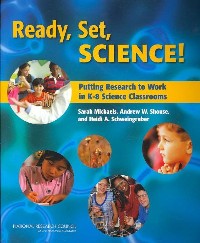
What types of instructional experiences help K-8 students learn and understand science? What do science teachers, teacher leaders, science specialists, professional development staff, curriculum designers, and school administrators need to know to create and support such experiences? Ready, Set, SCIENCE! guides the way by providing a practical and accessible account of current research about teaching and learning science in kindergarten through eighth grade. Based on the groundbreaking National Research Council report Taking Science to School: Learning and Teaching Science in Grades K-8, this book reviews principles derived from the latest educational research and applies them to effective teaching practice. Ready, Set, SCIENCE! Takes the reader into the classroom to bring research findings to life and make the implications of the research clear and stimulating. Case studies based on real classroom experiences illustrate the complexities that teachers grapple with every day. They show how teachers work to select and design rigorous and engaging instructional tasks, manage classrooms, orchestrate productive discussions with culturally and linguistically diverse groups of students, and help students make their thinking visible using a variety of representational tools. This book will be an essential resource for science education practitioners and contains information that will be useful to anyone who is directly or indirectly involved in the teaching of science, including parents. - Back cover.
目录
Table Of Contents:
Foreword ix
Preface xiii
A New Vision of Science in Education 1(16)
The Importance of Teaching Science Well 2(1)
What Scientists Really Do 3(1)
The Language of Science 4(2)
Rethinking Children's Capacity for Scientific Understanding 6(3)
Science Class: Seeing Ourselves in Measurement 9(2)
Science Class: Measuring and Graphing Height 11(3)
Building on Knowledge, Interest, and Experience 14(2)
For Further Reading 16(1)
Four Strands of Science Learning 17(20)
The Four Strands 18(4)
Science Class: Biodiversity in a City Schoolyard 22(6)
Examining the Four Strands in Instruction 28(4)
The Interrelated Nature of the Four Strands 32(2)
Science as Practice: Doing and Learning Together 34(2)
For Further Reading 36(1)
Foundational Knowledge and Conceptual Change 37(22)
Identifying a Shared Base of Understanding in Young Children 38(3)
Seeing Nature in New Ways 41(1)
Types of Conceptual Change 42(1)
Using Prior Knowledge to Make Sense of the World 43(2)
Science Class: Molecules in Motion 45(10)
Examining Conceptual Change in Molecules in Motion 55(1)
Building Understanding Over Multiple Years 56(2)
For Further Reading 58(1)
Organizing Science Education Around Core Concepts 59(28)
Building on Core Concepts Over Time 60(2)
Core Concepts in Relation to Standards and Benchmarks 62(1)
Using Core Concepts to Build Learning Progressions 63(3)
Science Class: The Mystery Box 66(4)
Extending Scientific Discussion 70(2)
Science Class: The Properties of Air 72(4)
Teaching the Atomic-Molecular Theory at the Middle School Level 76(3)
Science Class: The Nature of Gases 79(5)
The Benefits of Focusing on Core Concepts and Learning Progressions 84(2)
For Further Reading 86(1)
Making Thinking Visible: Talk and Argument 87(22)
Learning Through Talk and Argument 88(1)
Encouraging Talk and Argument in the Classroom 89(4)
Position-Driven Discussion 93(2)
Science Class: Establishing Classroom Norms for Discussion 95(2)
Appreciating Cultural, Linguistic, and Experiential Differences 97(3)
Strategies for Inclusiveness 100(4)
Science Class: Successfully Supporting Diversity 104(4)
For Further Reading 108(1)
Making Thinking Visible: Modeling and Representation 109(18)
Mathematics 110(1)
Data 111(2)
Scale Models, Diagrams, and Maps 113(1)
Modeling and Learning Progressions 114(5)
Science Class: Representing Data 119(7)
For Further Reading 126(1)
Learning from Science Investigations 127(22)
Creating Meaningful Problems 127(2)
Sequencing Meaningful Instruction 129(3)
Constructing and Defending Explanations 132(3)
Scripting Student Roles 135(2)
Science Class: Differentiating Mass and Density 137(5)
Science Class: Looking at Our Scientific Thinking 142(6)
For Further Reading 148(1)
A System That Supports Science Learning 149(18)
Teachers as Learners 151(2)
Knowledge of Science 153(2)
How Students Learn Science 155(1)
Knowing How to Teach Science Effectively 156(1)
Providing Teachers with Opportunities to Learn 157(5)
Next Steps 162(5)
Notes 167(4)
Appendix A Questions for Practitioners 171(5)
Appendix B Assessment Items Based on a Learning Progression for Atomic-Molecular Theory 176(3)
Appendix C Academically Productive Talk 179(2)
Appendix D Biographical Sketches of Oversight Group and Coauthors 181(6)
Index 187(8)
Acknowledgments 195(2)
Credits 197
Foreword ix
Preface xiii
A New Vision of Science in Education 1(16)
The Importance of Teaching Science Well 2(1)
What Scientists Really Do 3(1)
The Language of Science 4(2)
Rethinking Children's Capacity for Scientific Understanding 6(3)
Science Class: Seeing Ourselves in Measurement 9(2)
Science Class: Measuring and Graphing Height 11(3)
Building on Knowledge, Interest, and Experience 14(2)
For Further Reading 16(1)
Four Strands of Science Learning 17(20)
The Four Strands 18(4)
Science Class: Biodiversity in a City Schoolyard 22(6)
Examining the Four Strands in Instruction 28(4)
The Interrelated Nature of the Four Strands 32(2)
Science as Practice: Doing and Learning Together 34(2)
For Further Reading 36(1)
Foundational Knowledge and Conceptual Change 37(22)
Identifying a Shared Base of Understanding in Young Children 38(3)
Seeing Nature in New Ways 41(1)
Types of Conceptual Change 42(1)
Using Prior Knowledge to Make Sense of the World 43(2)
Science Class: Molecules in Motion 45(10)
Examining Conceptual Change in Molecules in Motion 55(1)
Building Understanding Over Multiple Years 56(2)
For Further Reading 58(1)
Organizing Science Education Around Core Concepts 59(28)
Building on Core Concepts Over Time 60(2)
Core Concepts in Relation to Standards and Benchmarks 62(1)
Using Core Concepts to Build Learning Progressions 63(3)
Science Class: The Mystery Box 66(4)
Extending Scientific Discussion 70(2)
Science Class: The Properties of Air 72(4)
Teaching the Atomic-Molecular Theory at the Middle School Level 76(3)
Science Class: The Nature of Gases 79(5)
The Benefits of Focusing on Core Concepts and Learning Progressions 84(2)
For Further Reading 86(1)
Making Thinking Visible: Talk and Argument 87(22)
Learning Through Talk and Argument 88(1)
Encouraging Talk and Argument in the Classroom 89(4)
Position-Driven Discussion 93(2)
Science Class: Establishing Classroom Norms for Discussion 95(2)
Appreciating Cultural, Linguistic, and Experiential Differences 97(3)
Strategies for Inclusiveness 100(4)
Science Class: Successfully Supporting Diversity 104(4)
For Further Reading 108(1)
Making Thinking Visible: Modeling and Representation 109(18)
Mathematics 110(1)
Data 111(2)
Scale Models, Diagrams, and Maps 113(1)
Modeling and Learning Progressions 114(5)
Science Class: Representing Data 119(7)
For Further Reading 126(1)
Learning from Science Investigations 127(22)
Creating Meaningful Problems 127(2)
Sequencing Meaningful Instruction 129(3)
Constructing and Defending Explanations 132(3)
Scripting Student Roles 135(2)
Science Class: Differentiating Mass and Density 137(5)
Science Class: Looking at Our Scientific Thinking 142(6)
For Further Reading 148(1)
A System That Supports Science Learning 149(18)
Teachers as Learners 151(2)
Knowledge of Science 153(2)
How Students Learn Science 155(1)
Knowing How to Teach Science Effectively 156(1)
Providing Teachers with Opportunities to Learn 157(5)
Next Steps 162(5)
Notes 167(4)
Appendix A Questions for Practitioners 171(5)
Appendix B Assessment Items Based on a Learning Progression for Atomic-Molecular Theory 176(3)
Appendix C Academically Productive Talk 179(2)
Appendix D Biographical Sketches of Oversight Group and Coauthors 181(6)
Index 187(8)
Acknowledgments 195(2)
Credits 197
- 名称
- 类型
- 大小
光盘服务联系方式: 020-38250260 客服QQ:4006604884
云图客服:
用户发送的提问,这种方式就需要有位在线客服来回答用户的问题,这种 就属于对话式的,问题是这种提问是否需要用户登录才能提问
Video Player
×
Audio Player
×
pdf Player
×
