

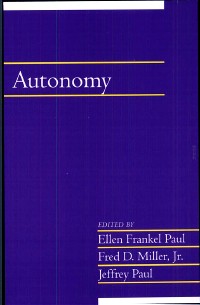
简介
A central idea in moral and political philosophy, 'autonomy' is generally understood as some form of self-governance or self-direction. Certain Stoics, modern philosophers such as Spinoza, and most importantly, Immanuel Kant, are among the great philosophers who have offered important insights on the concept. Some theorists analyze autonomy in terms of the self being moved by its higher-order desires. Others argue that autonomy must be understood in terms of acting from reason or from a sense of moral duty independent of the passions. Autonomy seems closely related to the notion of freedom, but in what sense: freedom from coercion, freedom from psychological constraints, or freedom from material necessity? Various approaches to these and similar questions yield different implications for public policy. Is capitalism, social democracy or socialism more favorable to autonomy? The essays in this volume address these important questions.
目录
Cover 1
Half-title 3
Title 5
Copyright 6
Contents 7
Introduction 9
Acknowledgments 16
Contributors 17
Stoic Autonomy 21
I. Introduction 21
II. Dio chrysostom on the \ 23
III. Ratonality As The Ground Of Autonomy 27
IV. Zeus's Or Nature's Rationality 32
V. Zeus's Thoughts, Human Thoughts,And The Law Of Nature 35
VI. How Rational Beings, As Such,Follow Zeus's Law 40
VII. Autonomy And Freedom Of Choice: Conclusion 44
Autonomous Autonomy: Spinoza on Autonomy, Perfectionism, and Politics 50
I. Introduction 50
II. Autonomy And Activity 54
III. Autonomy And Morality 63
IV. Autonomy And Politics 74
V. Conclusion: Whither Autonomy? 86
Kant on the Theory and Practice of Autonomy 90
Introduction 90
I. Freedom,Freedom OF The Will,And Autonomy 92
A. Freedom and autonomy 92
B. Freedom of the will and autonomy 96
II. The Absolute Value Of Autonomy 101
A. Psychological arguments for the value of autonomy 101
B. A metaphysical basis for the value of autonomy 106
C. Respect for autonomy 107
III. The Practice Of Autonomy 110
A. Autarky, autocracy, and autonomy 110
B. Fallback or usual and customary means? 114
Conclusion 118
How Much Should We Value Autonomy? 119
I. Introduction 119
II. The Concept Of Autonomy 120
III.Autonomy And Liberal Society 127
IV. Autonomy And Desrt 128
V. When Valuing Autonomy Is An Issue 132
VI. Paternalism For The Sake Of Autonomy 134
VII. Autonomy And The Value Of Paternalism 139
VIII.Conclusion 146
Autonomy, Duress, and Coercion 147
I. Introduction 147
II. Hierarchical Analyses Of Autonomy And Thalberg's Objections 149
III. Responses To Thalberg 153
A. Autonomy and coercion 154
B. Rejecting the Assumption of the Transitivity of Autonomy 155
C. Autonomy and actions performed in situations of Type A 158
D. The response to Thalberg's second objection 160
IV. Further Objection To Frankfurt's And Dworkin's Analyses 161
A. Impairments of autonomy can differ in degree 161
B. The Anti-Stoic Objection 162
V. The Analyses Of Christman And Slote 164
A. Christman's analysis 164
B. Slote's analysis 166
VI.Why The Compliant Victim Of Duress Suffers From Impaired Autonomy 170
A. An informative false start 170
B. Learning from the Simple Analysis 173
VII. Conclusion 174
Autonomy and Hierarchy 176
I. The Autonomy-Hierarchy Thesis 176
II Valuing And Two Problems For Human Agents 178
III. Valuing And Policies About Practical Reasoning 180
IV. Two Problems, One Solution? 184
V. Valuing And Autonomy 188
VI. Two Objection And The Autonomy-Transparency Thesis 190
VIII. Transparency And Self-Governed Practical Reasoning 192
VIII. The Second Line Of Argument:Policies About Self-Governed Practical Reasoning 193
IX. COnclusion 195
Reason and Autonomy 197
I. Introduction 197
II. Internal Autonomy: Beyond Desire 198
III.Preference And Metamental.Ascent 200
IV. Autonomous Preference 203
V. The Primacy Condition 210
VI. Agent Causality Explained 211
VII Causality And The POwer Preference 212
VIII. The paradox OF Reason Solved 213
IX. Reaon And Autonomy: The Ultrapreference 216
X. A summary On Preference,Reason, And Autonomy 217
XI . Conclusion Arational Autonomy Causation,And Determinism 217
Identification, the Self, and Autonomy 219
I. Introduction 219
II. Autonomy And Choice 219
III. Decision-Making And Self-Control 225
IV. Identification As Self-consstttuting: SCDT 226
V. The Limits Of Identification 231
VI.Alienation 235
VII.The Role Of Reflection 237
VIII. Reflection, Identification,And Autonomy 238
IX. Conclusion 239
Some Tensions between Autonomy and Self-Governance 241
I. Introduction 241
II. Autonomy And Moral Status 242
III. Self-Governance And The Voluntariness Of Character 246
IV.Character And Practical Necessity 249
V. Character And Accountabilty 252
VI. perplexities Concerning Punishment 256
VII. Forgiveness And Hatred 260
VIII. Conclusion 263
Autonomy from the Viewpoint of Teleological Behaviorism 265
I. Introduction 265
II.Cognitive Psychology And Behavioral Psychology 265
III. Skinnerian Behaviorism 267
IV. teleological Behaviorism 269
V. Negative And Positive Addictions 272
VI. Unconditional Autonomy 274
VII. Conditional Autonomy 276
VIII. Internalization 278
IX. Objections To A Behavioral View Of Autonomy 281
X. Conclusion 283
The Paradox of Group Autonomy 285
Introduction 285
I. The Value Of Autonomy 285
II. Theoretical Explanations Of Group Autonomy 294
III. Conclusion: The Paradox Of Autonomy 304
Abortion, Autonomy, and Control over One's Body 306
I. Introduction 306
II. A Puzzle 307
III. The Right To Control One's Body 310
IV. Autonomy 313
V. Rape,Abortion, And The Special Status Of Pregnancy 316
VI. Autonomy And Right To Control One's Body Revisited 320
VII.An Objection 323
VIII. A Further Clarification 324
IX. Conclusion 326
Freedom as a Political Ideal 327
I. Introduction 327
II. Political Freedom And Personal Autonomy 327
III. Three Problems 329
IV. Rival Ideals 331
V. Political Freedom And Its Value 335
VI. Freedom And Planning 340
VII. Refining The Ideal 347
VIII.Conclusion 353
Index 355
Half-title 3
Title 5
Copyright 6
Contents 7
Introduction 9
Acknowledgments 16
Contributors 17
Stoic Autonomy 21
I. Introduction 21
II. Dio chrysostom on the \ 23
III. Ratonality As The Ground Of Autonomy 27
IV. Zeus's Or Nature's Rationality 32
V. Zeus's Thoughts, Human Thoughts,And The Law Of Nature 35
VI. How Rational Beings, As Such,Follow Zeus's Law 40
VII. Autonomy And Freedom Of Choice: Conclusion 44
Autonomous Autonomy: Spinoza on Autonomy, Perfectionism, and Politics 50
I. Introduction 50
II. Autonomy And Activity 54
III. Autonomy And Morality 63
IV. Autonomy And Politics 74
V. Conclusion: Whither Autonomy? 86
Kant on the Theory and Practice of Autonomy 90
Introduction 90
I. Freedom,Freedom OF The Will,And Autonomy 92
A. Freedom and autonomy 92
B. Freedom of the will and autonomy 96
II. The Absolute Value Of Autonomy 101
A. Psychological arguments for the value of autonomy 101
B. A metaphysical basis for the value of autonomy 106
C. Respect for autonomy 107
III. The Practice Of Autonomy 110
A. Autarky, autocracy, and autonomy 110
B. Fallback or usual and customary means? 114
Conclusion 118
How Much Should We Value Autonomy? 119
I. Introduction 119
II. The Concept Of Autonomy 120
III.Autonomy And Liberal Society 127
IV. Autonomy And Desrt 128
V. When Valuing Autonomy Is An Issue 132
VI. Paternalism For The Sake Of Autonomy 134
VII. Autonomy And The Value Of Paternalism 139
VIII.Conclusion 146
Autonomy, Duress, and Coercion 147
I. Introduction 147
II. Hierarchical Analyses Of Autonomy And Thalberg's Objections 149
III. Responses To Thalberg 153
A. Autonomy and coercion 154
B. Rejecting the Assumption of the Transitivity of Autonomy 155
C. Autonomy and actions performed in situations of Type A 158
D. The response to Thalberg's second objection 160
IV. Further Objection To Frankfurt's And Dworkin's Analyses 161
A. Impairments of autonomy can differ in degree 161
B. The Anti-Stoic Objection 162
V. The Analyses Of Christman And Slote 164
A. Christman's analysis 164
B. Slote's analysis 166
VI.Why The Compliant Victim Of Duress Suffers From Impaired Autonomy 170
A. An informative false start 170
B. Learning from the Simple Analysis 173
VII. Conclusion 174
Autonomy and Hierarchy 176
I. The Autonomy-Hierarchy Thesis 176
II Valuing And Two Problems For Human Agents 178
III. Valuing And Policies About Practical Reasoning 180
IV. Two Problems, One Solution? 184
V. Valuing And Autonomy 188
VI. Two Objection And The Autonomy-Transparency Thesis 190
VIII. Transparency And Self-Governed Practical Reasoning 192
VIII. The Second Line Of Argument:Policies About Self-Governed Practical Reasoning 193
IX. COnclusion 195
Reason and Autonomy 197
I. Introduction 197
II. Internal Autonomy: Beyond Desire 198
III.Preference And Metamental.Ascent 200
IV. Autonomous Preference 203
V. The Primacy Condition 210
VI. Agent Causality Explained 211
VII Causality And The POwer Preference 212
VIII. The paradox OF Reason Solved 213
IX. Reaon And Autonomy: The Ultrapreference 216
X. A summary On Preference,Reason, And Autonomy 217
XI . Conclusion Arational Autonomy Causation,And Determinism 217
Identification, the Self, and Autonomy 219
I. Introduction 219
II. Autonomy And Choice 219
III. Decision-Making And Self-Control 225
IV. Identification As Self-consstttuting: SCDT 226
V. The Limits Of Identification 231
VI.Alienation 235
VII.The Role Of Reflection 237
VIII. Reflection, Identification,And Autonomy 238
IX. Conclusion 239
Some Tensions between Autonomy and Self-Governance 241
I. Introduction 241
II. Autonomy And Moral Status 242
III. Self-Governance And The Voluntariness Of Character 246
IV.Character And Practical Necessity 249
V. Character And Accountabilty 252
VI. perplexities Concerning Punishment 256
VII. Forgiveness And Hatred 260
VIII. Conclusion 263
Autonomy from the Viewpoint of Teleological Behaviorism 265
I. Introduction 265
II.Cognitive Psychology And Behavioral Psychology 265
III. Skinnerian Behaviorism 267
IV. teleological Behaviorism 269
V. Negative And Positive Addictions 272
VI. Unconditional Autonomy 274
VII. Conditional Autonomy 276
VIII. Internalization 278
IX. Objections To A Behavioral View Of Autonomy 281
X. Conclusion 283
The Paradox of Group Autonomy 285
Introduction 285
I. The Value Of Autonomy 285
II. Theoretical Explanations Of Group Autonomy 294
III. Conclusion: The Paradox Of Autonomy 304
Abortion, Autonomy, and Control over One's Body 306
I. Introduction 306
II. A Puzzle 307
III. The Right To Control One's Body 310
IV. Autonomy 313
V. Rape,Abortion, And The Special Status Of Pregnancy 316
VI. Autonomy And Right To Control One's Body Revisited 320
VII.An Objection 323
VIII. A Further Clarification 324
IX. Conclusion 326
Freedom as a Political Ideal 327
I. Introduction 327
II. Political Freedom And Personal Autonomy 327
III. Three Problems 329
IV. Rival Ideals 331
V. Political Freedom And Its Value 335
VI. Freedom And Planning 340
VII. Refining The Ideal 347
VIII.Conclusion 353
Index 355
- 名称
- 类型
- 大小
光盘服务联系方式: 020-38250260 客服QQ:4006604884
云图客服:
用户发送的提问,这种方式就需要有位在线客服来回答用户的问题,这种 就属于对话式的,问题是这种提问是否需要用户登录才能提问
Video Player
×
Audio Player
×
pdf Player
×
