

简介
Summary:
Publisher Summary 1
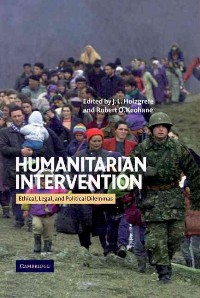
"The genocide in Rwanda showed us how terrible the consequences of inaction can be in the face of mass murder. But the conflict in Kosovo raised equally important questions about the consequences of action without international consensus and clear legal authority. On the one hand, is it legitimate for a regional organization to use force without a UN mandate? On the other, is it permissible to let gross and systematic violations of human rights, with grave humanitarian consequences continue unchecked?" (United Nations Secretrary-General Kofi Annan). This book is a comprehensive, integrated discussion of `the dilemma' of humanitarian intervention. Written by leading analysts of international politics, ethics, and law, it seeks, among other things, to identify strategies that may, if not resolve, at least reduce the current tension between human rights and state sovereignty. Humanitarian Intervention is an invaluable contribution to the debate on all aspects of this vital global issue. J.L. Holzgrefe is a Visiting Research Scholar in the Department of Political Science, Duke University. He is a former Lecturer in International Relations at the University of St. Andrews, Scotland, and visiting scholar at the Center of International Studies, Princeton University, the Center for International Affairs, Harvard University, and elsewhere. He was educated at Monash University, Australia and Balliol College, Oxford. He has published on the history of international relations thought. Robert O. Keohane is James B. Duke Professor of Political Science, Duke University. He is interested in the role played by governance in world politics, and in particular on how international institutions and transnational networks operate. He is the author of After Hegemony: Cooperation and Discord in the World Political Economy (Princeton, 1984), for which he was awarded the second annual Grawemeyer Award in 1989 for Ideas Improving World Order. He is also the author of International Institutions and State Power: Essays in International Relations Theory (Westview, 1989), co-author of Power and Independence: World Politics in Transition (Little, Brown, 1977; 3rd edition 2001), and co-author of Designing Social Inquiry: Scientific Inference in Qualitative Research (Princeton, 1994). He is a fellow of the American Academy of Arts and Sciences and has been the recipient of a Guggenheim fellowship.
Publisher Summary 2
An interdisciplinary approach to humanitarian intervention by experts in law, politics, and ethics.
目录
Cover 1
Half-title 3
Title 5
Copyright 6
Contents 7
Contributors 9
Acknowledgments 13
Introduction 15
PART I The context for humanitarian intervention 27
1 The humanitarian intervention debate 29
Definition of humanitarian intervention 32
The ethics of humanitarian intervention 32
Utilitarianism 34
Natural law 39
Social contractarianism 42
Communitarianism 47
Legal positivism 49
The legality of humanitarian intervention 50
International conventions 51
The Charter of the United Nations 51
Human rights conventions 57
Customary international law 58
Conclusion 63
2 Humanitarian intervention before and after 9/11: legality and legitimacy 67
Introduction: why the fuss? 67
Initial challenges by states to the Charter restraints on the use of force 73
Legal realism\u2019s defense of humanitarian intervention 75
The classicist defense of humanitarian intervention 82
Collective interventions and the problem of abuse 88
Humanitarian intervention after 9/11 94
Conclusion 100
PART II The ethics of humanitarian intervention 105
3 The liberal case for humanitarian intervention 107
Introduction 107
The liberal argument 110
The relativist objection 114
The moral relevance of national borders: communal integrity 116
The argument from international law 122
The objection from global stability 125
Acts, omissions, and the rights of the innocent 128
The internal legitimacy of humanitarian intervention 137
Concluding comment 142
4 Reforming the international law of humanitarian intervention 144
The need for reform 144
The deficiency of existing law 144
Three different justifications for illegal interventions 145
Why illegal action may be necessary for international legal reform 147
The sources of international law 147
Progress through illegality: historical cases 150
The main alternatives for reforming the law of humanitarian intervention 152
New treaty law \u2013 within or outside the UN system? 152
Reform through the creation of a new customary rule of humanitarian intervention 154
Legal absolutism: the blanket condemnation of illegal acts 155
Two objections to conscientious law-breaking 155
The simple fidelity to law argument 156
Fidelity to the ideal of the rule of law 156
Substantive justice 158
The legitimacy of the international legal system 159
The rule of law as necessary for avoiding violent chaos 161
Respect for the state consent supernorm 162
Thesis (1) 162
Thesis (2) 163
Thesis (3) 166
Moral authority 168
The charge of subjectivism 168
Internalist moral criticism of the system 169
Two views of moral authority 169
Towards a theory of the morality of international legal reform 172
The need for a moral theory of reform 172
Guidelines for determining the moral justifiability of illegal acts of reform 173
The rationale for the guidelines 174
NATO intervention in Kosovo: a test case 177
What sort of new norm of intervention? 179
Taking the opinio juris condition seriously 182
Reform through treaty that bypasses the UN 184
Conclusions 186
PART III Law and humanitarian intervention 189
5 Changing the rules about rules? Unilateral humanitarian intervention and the future of international law 191
Rules about rules 193
International law and the Kosovo intervention 195
Changing the rules about rules: treaty interpretation 198
Changing the rules about rules: customary international law 201
Exceptional legality? 209
An alternative approach: exceptional illegality 212
Conclusion 215
6 Interpretation and change in the law of humanitarian intervention 218
The Charter as law and law as change 219
The lady or the tiger: managing impossible choices 222
Necessity and mitigation as ways out of the conundrum 226
Managing the conundrum in the context of the law of humanitarian intervention 228
Humanitarian intervention in institutional practice 230
When may a law be broken and who decides? 241
7 Rethinking humanitarian intervention: the case for incremental change 246
The Kosovo dilemma 248
Implications for the future 252
Four approaches to humanitarian intervention 255
The incremental development of normative consensus 259
The drawbacks of premature codification 269
The difficulties of codification 272
The value of discussions of criteria for incremental change 275
Effectiveness: the missing factor 281
Conclusion 285
PART IV The politics of humanitarian intervention 287
8 Political authority after intervention: gradations in sovereignty 289
The problem: troubled societies after intervention 292
Understanding sovereignty 296
Unbundling sovereignty after intervention 300
Intervention in good and bad neighborhoods 306
Intervention in good neighborhoods 307
Intervention in bad neighborhoods 309
Conclusion 311
9 State failure and nation-building 313
Select english language bibliography 336
Index 350
Half-title 3
Title 5
Copyright 6
Contents 7
Contributors 9
Acknowledgments 13
Introduction 15
PART I The context for humanitarian intervention 27
1 The humanitarian intervention debate 29
Definition of humanitarian intervention 32
The ethics of humanitarian intervention 32
Utilitarianism 34
Natural law 39
Social contractarianism 42
Communitarianism 47
Legal positivism 49
The legality of humanitarian intervention 50
International conventions 51
The Charter of the United Nations 51
Human rights conventions 57
Customary international law 58
Conclusion 63
2 Humanitarian intervention before and after 9/11: legality and legitimacy 67
Introduction: why the fuss? 67
Initial challenges by states to the Charter restraints on the use of force 73
Legal realism\u2019s defense of humanitarian intervention 75
The classicist defense of humanitarian intervention 82
Collective interventions and the problem of abuse 88
Humanitarian intervention after 9/11 94
Conclusion 100
PART II The ethics of humanitarian intervention 105
3 The liberal case for humanitarian intervention 107
Introduction 107
The liberal argument 110
The relativist objection 114
The moral relevance of national borders: communal integrity 116
The argument from international law 122
The objection from global stability 125
Acts, omissions, and the rights of the innocent 128
The internal legitimacy of humanitarian intervention 137
Concluding comment 142
4 Reforming the international law of humanitarian intervention 144
The need for reform 144
The deficiency of existing law 144
Three different justifications for illegal interventions 145
Why illegal action may be necessary for international legal reform 147
The sources of international law 147
Progress through illegality: historical cases 150
The main alternatives for reforming the law of humanitarian intervention 152
New treaty law \u2013 within or outside the UN system? 152
Reform through the creation of a new customary rule of humanitarian intervention 154
Legal absolutism: the blanket condemnation of illegal acts 155
Two objections to conscientious law-breaking 155
The simple fidelity to law argument 156
Fidelity to the ideal of the rule of law 156
Substantive justice 158
The legitimacy of the international legal system 159
The rule of law as necessary for avoiding violent chaos 161
Respect for the state consent supernorm 162
Thesis (1) 162
Thesis (2) 163
Thesis (3) 166
Moral authority 168
The charge of subjectivism 168
Internalist moral criticism of the system 169
Two views of moral authority 169
Towards a theory of the morality of international legal reform 172
The need for a moral theory of reform 172
Guidelines for determining the moral justifiability of illegal acts of reform 173
The rationale for the guidelines 174
NATO intervention in Kosovo: a test case 177
What sort of new norm of intervention? 179
Taking the opinio juris condition seriously 182
Reform through treaty that bypasses the UN 184
Conclusions 186
PART III Law and humanitarian intervention 189
5 Changing the rules about rules? Unilateral humanitarian intervention and the future of international law 191
Rules about rules 193
International law and the Kosovo intervention 195
Changing the rules about rules: treaty interpretation 198
Changing the rules about rules: customary international law 201
Exceptional legality? 209
An alternative approach: exceptional illegality 212
Conclusion 215
6 Interpretation and change in the law of humanitarian intervention 218
The Charter as law and law as change 219
The lady or the tiger: managing impossible choices 222
Necessity and mitigation as ways out of the conundrum 226
Managing the conundrum in the context of the law of humanitarian intervention 228
Humanitarian intervention in institutional practice 230
When may a law be broken and who decides? 241
7 Rethinking humanitarian intervention: the case for incremental change 246
The Kosovo dilemma 248
Implications for the future 252
Four approaches to humanitarian intervention 255
The incremental development of normative consensus 259
The drawbacks of premature codification 269
The difficulties of codification 272
The value of discussions of criteria for incremental change 275
Effectiveness: the missing factor 281
Conclusion 285
PART IV The politics of humanitarian intervention 287
8 Political authority after intervention: gradations in sovereignty 289
The problem: troubled societies after intervention 292
Understanding sovereignty 296
Unbundling sovereignty after intervention 300
Intervention in good and bad neighborhoods 306
Intervention in good neighborhoods 307
Intervention in bad neighborhoods 309
Conclusion 311
9 State failure and nation-building 313
Select english language bibliography 336
Index 350
- 名称
- 类型
- 大小
光盘服务联系方式: 020-38250260 客服QQ:4006604884
云图客服:
用户发送的提问,这种方式就需要有位在线客服来回答用户的问题,这种 就属于对话式的,问题是这种提问是否需要用户登录才能提问
Video Player
×
Audio Player
×
pdf Player
×
