

微信扫一扫,移动浏览光盘
简介
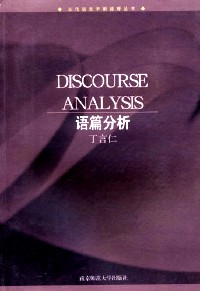
《语篇分析》依据篇章语言学的一些理论和方法,主要对英语的篇章结构作了一些分析。由于这本小册子没有系统地讨论篇章语言学的内容,它是能够帮助对语篇分析较陌生的读者了解这门学科的主要研究范围、内容和方法的。
目录
Chapter One Discourse and Situation
1.1 Language as System and as Activity
1.2 Language Use with Purpose and Function
1.3 Language in Situation
1.4 Analyzing the Context of Situation
1.5 Functions of Language
1.6 Criteria for a TextChapter Two Organization of Text
2.l Organizing Ideas
2.1.1 Traditional Rhetorical Patterns
2.1.2 Tagmemics
2.1.3 Synectics
2.2 Organizing a Paragraph
2.2.1 A Helpful Pattern
2.2.2 Topic Sentence
2.3 Organizing an Essay
2.3.1 A Usual Pattern
2.3.2 Thesis Statement
2.3.3 Long EssaysChapter Three The Underlying Organization
3.1 Organization of an Event and Its Description
3.2 Narratives in Real Life
3.2.1 Details of a Process
3.2.2 Complexity of a Process
3.2.3 Presentation of a Process
3.2.4 Speakers‘ Perspectives on a Process
3.3 From Narration to Argumentation
3.4 Argumentation in Real Life
3.5 A Philosophical NoteChapter Four Functions of a Clause
4.1 Rank Scale in English Grammar
4.2 Functions of a Clause
4.3 Ideational Function
4.3.1 Transitivity
4.3.2 Tense, Epithesis and Circumstance
4.3.3 Logical Meaning
4.4 Interpersonal Function
4.4.1 Mood and Modality
4.4.2 Person, Attitude and Comment
4.5 Textual Function
4.5.1 Structural Cohesion (by Rank)
4.5.2 Structural Cohesion (Cross-Rank)
4.5.3 Non-Structural Cohesion
4.6 Multiple Functions of Linguistic ItemsChapter Five Reference
5.1 Personal Reference
5.1.1 Basic Concepts
5.1.2 Generalized Exophoric Reference
5.1.3 Tricky“It”
5.1.4 Archaic“He”
5.2 Demonstrative Reference
5.2.1 Basic Concepts
5.2.2 “Here”,“There,”“Now”and“Then”
5.2.3 “This”(and“These”) vs.“That”(and“Those”)
5.2.4 “It”vs.“This,”“That”and Others
5.2.5 “The”
5.2.5.1 Weak Pointing Power
5.2.5.2 A Difficult Item for Chinese Students
5.2.5.3 The Two-Question Rule
5.3 Comparative Reference
5.3.l Basic Concepts
5.3.2 General Comparison
5.3.3 Particular Comparison
5.4 The Role of Exophora in Text
5.4.1 A Doubtful Status
5.4.2 Exophora in Everyday Life
5.4.3 Towards a Better Understanding of ReferenceChapter Six Substitution
6.1 Nominal Substitution
6. I.I “One”and“Ones”
6.1.2 Different Uses of“One”
6.1.3 “The Same”
6.1.4 Comparison Between “One” or“Ones”and “the Same”...
6.2 Verbal Substitution
6.2.1 Structure of the Verbal Group (I)
6.2.2“Do”as a Substitute
6.2.3 Different Uses of“Do”
6.3 Clausal Substitution
6.3.1 Difference Between Clausal and Verbal Substitution.
6.3.2 Environments for “So” and “Not”
6.3.3 Conditions for Clausal Substitution
6.3.4 Different Uses of“So”Chapter Seven Ellipsis
7.1 Nominal Ellipsis
7.1.1 Structure of the Nominal Group
7.1.2 Meaning of Nominal Ellipsis
7.1.3 Presupposition in Nominal Ellipsis
7.1.4 Types of Nominal Ellipsis
7.2 Verbal Ellipsis
7.2.1 Structure of the Verbal Group (II)
7.2.2 Two Kinds of Verbal Ellipsis
7.2.3 Presupposition of Verbal Ellipsis
7.2.4 Verbal Ellipsis in the Clause
7.3 Clausal Ellipsis
7.3.1 Ellipsis in Fact Clauses
7.3.2 Ellipsis in Reported Speech
7.3.3 Adjacent Pairs
7.4 Ellipsis: Emphasizing the NewChapter Eight Conjunction
8.1 Conjunctive Items
8.1.1 “Internal”and “External”Context
8.1.2 Additives
8.1.3 Adversatives
8.1.4 Causals
8.1.5 Temporals
8.1.6 Conjunction in Use
8.1.6.1 Textual and Structural Conjunction
8.1.6.2 Metalingual Comments
8.1.6.3 Cohesion and Coherence
8.2 Parallelism
8.2.1 Matching in Parallelism
8.2.2 “Matching” across the Text
8.2.3 Thematic Structure
8.2.3.1 Thematic Development of the Text
8.2.3.2 Organizing Themes ibr Your AudienceChapter Nine Lexieal Cohesion
9.1 Reiteration
9.1.1 Types of Reiteration
9.1.2 Reference in Reiteration
9.2 Discourse Marking
9.3 Lexical Net
9.3.1 Types of Lexical Links
9.3.2 Identifying Links
9.3.3 Bonds and NetChapter Ten Discourse Coherence
10.1 Concept of Coherence Revisited
10.2 Interactive Construction of Meaning
10.2.1 Falsity of the “Pipeline” Model
10.2.2 Why Construct Meaning
10.2.3 Being in the Other’s Shoes
10.2.4 The “Least Effort” Principle
10.3 Theories about Discourse
10.3.1 Cooperative Principle
10.3.2 Politeness Principle
10.3.3 Speech Act Theory
10.3.4 Schema Theory
10.3.5 Dialogism
References
Index
1.1 Language as System and as Activity
1.2 Language Use with Purpose and Function
1.3 Language in Situation
1.4 Analyzing the Context of Situation
1.5 Functions of Language
1.6 Criteria for a TextChapter Two Organization of Text
2.l Organizing Ideas
2.1.1 Traditional Rhetorical Patterns
2.1.2 Tagmemics
2.1.3 Synectics
2.2 Organizing a Paragraph
2.2.1 A Helpful Pattern
2.2.2 Topic Sentence
2.3 Organizing an Essay
2.3.1 A Usual Pattern
2.3.2 Thesis Statement
2.3.3 Long EssaysChapter Three The Underlying Organization
3.1 Organization of an Event and Its Description
3.2 Narratives in Real Life
3.2.1 Details of a Process
3.2.2 Complexity of a Process
3.2.3 Presentation of a Process
3.2.4 Speakers‘ Perspectives on a Process
3.3 From Narration to Argumentation
3.4 Argumentation in Real Life
3.5 A Philosophical NoteChapter Four Functions of a Clause
4.1 Rank Scale in English Grammar
4.2 Functions of a Clause
4.3 Ideational Function
4.3.1 Transitivity
4.3.2 Tense, Epithesis and Circumstance
4.3.3 Logical Meaning
4.4 Interpersonal Function
4.4.1 Mood and Modality
4.4.2 Person, Attitude and Comment
4.5 Textual Function
4.5.1 Structural Cohesion (by Rank)
4.5.2 Structural Cohesion (Cross-Rank)
4.5.3 Non-Structural Cohesion
4.6 Multiple Functions of Linguistic ItemsChapter Five Reference
5.1 Personal Reference
5.1.1 Basic Concepts
5.1.2 Generalized Exophoric Reference
5.1.3 Tricky“It”
5.1.4 Archaic“He”
5.2 Demonstrative Reference
5.2.1 Basic Concepts
5.2.2 “Here”,“There,”“Now”and“Then”
5.2.3 “This”(and“These”) vs.“That”(and“Those”)
5.2.4 “It”vs.“This,”“That”and Others
5.2.5 “The”
5.2.5.1 Weak Pointing Power
5.2.5.2 A Difficult Item for Chinese Students
5.2.5.3 The Two-Question Rule
5.3 Comparative Reference
5.3.l Basic Concepts
5.3.2 General Comparison
5.3.3 Particular Comparison
5.4 The Role of Exophora in Text
5.4.1 A Doubtful Status
5.4.2 Exophora in Everyday Life
5.4.3 Towards a Better Understanding of ReferenceChapter Six Substitution
6.1 Nominal Substitution
6. I.I “One”and“Ones”
6.1.2 Different Uses of“One”
6.1.3 “The Same”
6.1.4 Comparison Between “One” or“Ones”and “the Same”...
6.2 Verbal Substitution
6.2.1 Structure of the Verbal Group (I)
6.2.2“Do”as a Substitute
6.2.3 Different Uses of“Do”
6.3 Clausal Substitution
6.3.1 Difference Between Clausal and Verbal Substitution.
6.3.2 Environments for “So” and “Not”
6.3.3 Conditions for Clausal Substitution
6.3.4 Different Uses of“So”Chapter Seven Ellipsis
7.1 Nominal Ellipsis
7.1.1 Structure of the Nominal Group
7.1.2 Meaning of Nominal Ellipsis
7.1.3 Presupposition in Nominal Ellipsis
7.1.4 Types of Nominal Ellipsis
7.2 Verbal Ellipsis
7.2.1 Structure of the Verbal Group (II)
7.2.2 Two Kinds of Verbal Ellipsis
7.2.3 Presupposition of Verbal Ellipsis
7.2.4 Verbal Ellipsis in the Clause
7.3 Clausal Ellipsis
7.3.1 Ellipsis in Fact Clauses
7.3.2 Ellipsis in Reported Speech
7.3.3 Adjacent Pairs
7.4 Ellipsis: Emphasizing the NewChapter Eight Conjunction
8.1 Conjunctive Items
8.1.1 “Internal”and “External”Context
8.1.2 Additives
8.1.3 Adversatives
8.1.4 Causals
8.1.5 Temporals
8.1.6 Conjunction in Use
8.1.6.1 Textual and Structural Conjunction
8.1.6.2 Metalingual Comments
8.1.6.3 Cohesion and Coherence
8.2 Parallelism
8.2.1 Matching in Parallelism
8.2.2 “Matching” across the Text
8.2.3 Thematic Structure
8.2.3.1 Thematic Development of the Text
8.2.3.2 Organizing Themes ibr Your AudienceChapter Nine Lexieal Cohesion
9.1 Reiteration
9.1.1 Types of Reiteration
9.1.2 Reference in Reiteration
9.2 Discourse Marking
9.3 Lexical Net
9.3.1 Types of Lexical Links
9.3.2 Identifying Links
9.3.3 Bonds and NetChapter Ten Discourse Coherence
10.1 Concept of Coherence Revisited
10.2 Interactive Construction of Meaning
10.2.1 Falsity of the “Pipeline” Model
10.2.2 Why Construct Meaning
10.2.3 Being in the Other’s Shoes
10.2.4 The “Least Effort” Principle
10.3 Theories about Discourse
10.3.1 Cooperative Principle
10.3.2 Politeness Principle
10.3.3 Speech Act Theory
10.3.4 Schema Theory
10.3.5 Dialogism
References
Index
Discourse Analysis
- 名称
- 类型
- 大小
光盘服务联系方式: 020-38250260 客服QQ:4006604884
云图客服:
用户发送的提问,这种方式就需要有位在线客服来回答用户的问题,这种 就属于对话式的,问题是这种提问是否需要用户登录才能提问
Video Player
×
Audio Player
×
pdf Player
×
