

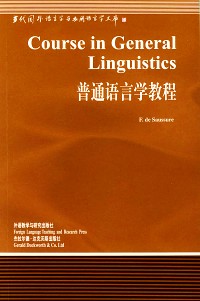
Course in General Linguistics
副标题:无
作 者:(瑞士)费尔迪南·德·索绪尔(F.de Saussure)著;[英]Poy Harris译;张绍杰导读
分类号:
ISBN:9787560023748
微信扫一扫,移动浏览光盘
简介
《当代国外语言学与应用语言学文库》首批54种自2000年9月问世以来,取得很大成功,首印5000套供不应求,10月份便分开重印6000套。能在短短的几个月内出版发行如此宏大规模的语言学著作,这在我国学术出版发行史上是不多见的。自出版以来,许多单位和个人争相订购,研究生和大学生生把《文库》视为良师益友,教师无论老中青都把《文库》视为知识更新的源泉。实践证明,外研社推出的《文库》受到了国内语言学界和外语教学界的普遍好评,它将成为推动我国语言学教学与研究和外语教学与研究的一个宝库。 在成功出版《文库》首批54种的基础上,外研社现在又推出《文库》第二批58种。《文库》第二批具有五大特色:一、由58部英文原著组成,所覆盖的学科从首批的26个增加到现在的33个,新增学科包括语言学史、语言哲学、认知语言学、人类语言学、语言的起源、语法化学说等,能更广泛地满足读者的需求;二、收入了当代语言学大师索绪尔、萨丕尔、布龙菲尔德、韩礼德、乔姆斯基、奥斯汀、格莱斯、利奇等名家的最有影响的伤口具有更高的权威性;三、增加了牛津大学出版社、哈佛大学出版社等世界知名出版社出版的语言学经典著作;四、依然配有专家导读,专家的队伍比首批更为强大;五、世界著名语言学家乔姆斯基教授和我国著名语言学家沈家煊教授作序。 本《文库》是一个大型的、开放性的系列丛书,它将对我国语言教学与研究和外语教学与研究起到积极的推动作用。今后,外研社还将继续引进,争取把国外最新的、最具影响的语言学和应用语言学著作不断地奉献给广大读者。
目录
preface by halliday
王宗炎序
preface by chomsky
沈家煊序
导读
translator's introduction
preface to the first edition
preface to the second edition
preface to the third edition
introduction
chapter i. a brief survey of the history of linguistics.
chapter ii. data and aims of linguistics: connexions withrelated sciences.
chapter iii. the object of study.
1. on defining a language
2. linguistic structure: its place among the facts of language
3. languages and their place in human affairs. semiology
chapter iv. linguistics of language structure and linguisticsof speech.
chapter v. internal and external elements of a language.
chapter vi. representation of a language by writing.
1. why it is necessary to study this topic
.2. the prestige of writing: reasons for its ascendancy over thespoken word
3. systems of writing
4. causes of inconsistency between spelling and pronunciation
5. consequences of this inconsistency
chapter vii. physiological phonetics.
1. definition of the subject
2. transcription
3. writing as evidence
appendix
principles of physiological phonetics
chapter i. sound types.
1. on defining speech sounds
2. the vocal apparatus and how it works
3. classification of sounds by oral articulation
chapter ii. sounds in spoken sequences.
1. necessity of studying sounds in spoken sequences
2. adduction and abduction
3. combinations of adduction and abduction in thespoken sequence
4. syllabic boundaries and vocalic peaks
5. criticism of theories of syllabification
6. duration of adduction and abduction
7. sounds of aperture 4. diphthongs. questions of spelling.
editorial note
part one
general principles
chapter i. nature of the linguistic sign.
1. sign, signification, signal
2. first principle: the sign is arbitrary
3. second principle: linear character of the signal
chapter ii. invariability and variability of the sign.
1. invariability
2. variability
chapter iii. static linguistics and evolutionary linguistics.
1. internal duality of all sciences concerned with values
2. internal duality and the history of linguistics
3. examples of internal duality
4. difference between the two orders illustrated bycomparisons
5. synchronic and diachronic linguistics. their methods andprinciples contrasted
6. synchronic laws and diachronic laws
7. is there a panchronic point of view?
8. consequences of the confusion of synchrony with diachrony
9. conclusions
part two
synchronic linguistics
chapter i. general observations.
chapter ii. concrete entities of a language.
1. entities and units. definitions
2. methods of delimitation
3. practical difficulties of delimitation
4. conclusion
chapter iii. identities, realities, values.
chapter iv. linguistic value.
1. the language as thought organised in sound
2. linguistic value: conceptual aspects
3. linguistic value: material aspects
4. the sign as a whole
chapter v. syntagmatic relations and associative relations.
1. definitions
2. syntagmatic relations
3. associative relations
chapter vi. the language mechanism.
1. syntagmatic interdependences
2. simultaneous functioning of both types of group
3. absolute arbitrariness and relative arbitrariness
chapter vii. grammar and its subdivisions.
1. definitions. traditional divisions
2. rational divisions
chapter viii. abstract entities in grammar.
part three
diachronic linguistics
chapter i. general observations.
chapter ii. sound changes.
1. their absolute regularity
2. conditioning of sound changes
3. methodological considerations
4. causes of sound change
5. the scope of sound change is unpredictable
chapter iii. grammatical consequences of phonetic evolution.
1. breaking grammatical links
2. obliteration of word-composition
3. there are no phonetic doublets
4. alternation
5. laws of alternation
6. alternation and grammatical link
chapter iv. analogy.
1. definition and examples
2. analogies are not changes
3. analogy as the creative principle in languages
chapter v. analogy and evolution.
1. how an analogical innovation enters the language
2. analogical innovations as symptoms of changes ininterpretation
3. analogy as a principle of renovation and conservation
chapter vi. popular etymology.
chapter vii. agglutination.
1. definition
2. agglutination and analogy
chapter viii. diachronic units, identities and realities.
appendices
a. subjective and objective analysis
b. subjective analysis and determination of units smaller thanthe word
c. etymology
part four
geographical linguistics
chapter i. on the diversity of languages.
chapter ii. geographical diversity: its complexity.
1. coexistence of several languages in the same place
2. literary language and local dialect
chapter iii. causes of geographical diversity.
1. time, the essential cause
2. linguistic areas affected by time
3. dialects have no natural boundaries
4. languages have no natural boundaries
chapter iv. propagation of linguistic waves.
1. force of intercourse and parochialism
2. a single principle underlying both forces
3. linguistic differentiation in separate areas
part five
questions of retrospective linguistics
conclusion
chapter i. the two perspectives of diachronic linguistics.
chapter ii. earliest languages and prototypes.
chapter iii. reconstructions.
1. their nature and purpose
2. degree of certainty of reconstructions
chapter iv. linguistic evidence in anthropology and prehistory.
1. languages and races
2. ethnicity
3. linguistic paleontology
4. linguistic types and group mentality
chapter v. language families and linguistic types.
index
文库索引
王宗炎序
preface by chomsky
沈家煊序
导读
translator's introduction
preface to the first edition
preface to the second edition
preface to the third edition
introduction
chapter i. a brief survey of the history of linguistics.
chapter ii. data and aims of linguistics: connexions withrelated sciences.
chapter iii. the object of study.
1. on defining a language
2. linguistic structure: its place among the facts of language
3. languages and their place in human affairs. semiology
chapter iv. linguistics of language structure and linguisticsof speech.
chapter v. internal and external elements of a language.
chapter vi. representation of a language by writing.
1. why it is necessary to study this topic
.2. the prestige of writing: reasons for its ascendancy over thespoken word
3. systems of writing
4. causes of inconsistency between spelling and pronunciation
5. consequences of this inconsistency
chapter vii. physiological phonetics.
1. definition of the subject
2. transcription
3. writing as evidence
appendix
principles of physiological phonetics
chapter i. sound types.
1. on defining speech sounds
2. the vocal apparatus and how it works
3. classification of sounds by oral articulation
chapter ii. sounds in spoken sequences.
1. necessity of studying sounds in spoken sequences
2. adduction and abduction
3. combinations of adduction and abduction in thespoken sequence
4. syllabic boundaries and vocalic peaks
5. criticism of theories of syllabification
6. duration of adduction and abduction
7. sounds of aperture 4. diphthongs. questions of spelling.
editorial note
part one
general principles
chapter i. nature of the linguistic sign.
1. sign, signification, signal
2. first principle: the sign is arbitrary
3. second principle: linear character of the signal
chapter ii. invariability and variability of the sign.
1. invariability
2. variability
chapter iii. static linguistics and evolutionary linguistics.
1. internal duality of all sciences concerned with values
2. internal duality and the history of linguistics
3. examples of internal duality
4. difference between the two orders illustrated bycomparisons
5. synchronic and diachronic linguistics. their methods andprinciples contrasted
6. synchronic laws and diachronic laws
7. is there a panchronic point of view?
8. consequences of the confusion of synchrony with diachrony
9. conclusions
part two
synchronic linguistics
chapter i. general observations.
chapter ii. concrete entities of a language.
1. entities and units. definitions
2. methods of delimitation
3. practical difficulties of delimitation
4. conclusion
chapter iii. identities, realities, values.
chapter iv. linguistic value.
1. the language as thought organised in sound
2. linguistic value: conceptual aspects
3. linguistic value: material aspects
4. the sign as a whole
chapter v. syntagmatic relations and associative relations.
1. definitions
2. syntagmatic relations
3. associative relations
chapter vi. the language mechanism.
1. syntagmatic interdependences
2. simultaneous functioning of both types of group
3. absolute arbitrariness and relative arbitrariness
chapter vii. grammar and its subdivisions.
1. definitions. traditional divisions
2. rational divisions
chapter viii. abstract entities in grammar.
part three
diachronic linguistics
chapter i. general observations.
chapter ii. sound changes.
1. their absolute regularity
2. conditioning of sound changes
3. methodological considerations
4. causes of sound change
5. the scope of sound change is unpredictable
chapter iii. grammatical consequences of phonetic evolution.
1. breaking grammatical links
2. obliteration of word-composition
3. there are no phonetic doublets
4. alternation
5. laws of alternation
6. alternation and grammatical link
chapter iv. analogy.
1. definition and examples
2. analogies are not changes
3. analogy as the creative principle in languages
chapter v. analogy and evolution.
1. how an analogical innovation enters the language
2. analogical innovations as symptoms of changes ininterpretation
3. analogy as a principle of renovation and conservation
chapter vi. popular etymology.
chapter vii. agglutination.
1. definition
2. agglutination and analogy
chapter viii. diachronic units, identities and realities.
appendices
a. subjective and objective analysis
b. subjective analysis and determination of units smaller thanthe word
c. etymology
part four
geographical linguistics
chapter i. on the diversity of languages.
chapter ii. geographical diversity: its complexity.
1. coexistence of several languages in the same place
2. literary language and local dialect
chapter iii. causes of geographical diversity.
1. time, the essential cause
2. linguistic areas affected by time
3. dialects have no natural boundaries
4. languages have no natural boundaries
chapter iv. propagation of linguistic waves.
1. force of intercourse and parochialism
2. a single principle underlying both forces
3. linguistic differentiation in separate areas
part five
questions of retrospective linguistics
conclusion
chapter i. the two perspectives of diachronic linguistics.
chapter ii. earliest languages and prototypes.
chapter iii. reconstructions.
1. their nature and purpose
2. degree of certainty of reconstructions
chapter iv. linguistic evidence in anthropology and prehistory.
1. languages and races
2. ethnicity
3. linguistic paleontology
4. linguistic types and group mentality
chapter v. language families and linguistic types.
index
文库索引
Course in General Linguistics
- 名称
- 类型
- 大小
光盘服务联系方式: 020-38250260 客服QQ:4006604884
云图客服:
用户发送的提问,这种方式就需要有位在线客服来回答用户的问题,这种 就属于对话式的,问题是这种提问是否需要用户登录才能提问
Video Player
×
Audio Player
×
pdf Player
×
