

简介
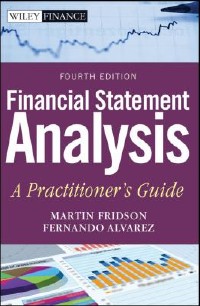
"An updated guide to the essential discipline of financial statement analysis. In Financial Statement Analysis, Fourth Edition, leading investment authority Martin Fridson returns with Fernando Alvarez to provide the analytical framework you need to scrutinize financial statements, whether you鈥檙e evaluating a company鈥檚 stock price or determining valuations for a merger or acquisition. This fully revised and up-to-date Fourth Edition offers fresh information that will help you to evaluate financial statements in today鈥檚 volatile markets and uncertain economy, and allow you to get past the sometimes biased portrait of a company鈥檚 performance. Reflects changes in the financial reporting landscape, including issues related to the financial crisis of 2008-2009. Provides guidelines on how to interpret balance sheets, income statements, and cash flow statements. Offers information for maximizing the accuracy of forecasts and a structured approach to credit and equity evaluation. Filled with real-life examples and expert advice, Financial Statement Analysis, Fourth Edition will help you gain a firm understanding of the techniques that will help you interpret financial statements, which are designed to conceal more than reveal."--
目录
Preface to Fourth Edition p. xi
Acknowledgments p. xv
Reading between the Lines
The Adversarial Nature of Financial Reporting p. 3
The Purpose of Financial Reporting p. 4
The Flaws in the Reasoning p. 8
Small Profits and Big Baths p. 11
Maximizing Growth Expectations p. 12
Downplaying Contingencies p. 18
The Importance of Being Skeptical p. 20
Conclusion p. 24
The Basic Financial Statements
The Balance Sheet p. 29
The Value Problem p. 30
Comparability Problems in the Valuation of Financial Assets p. 32
Instantaneous Wipeout of Value p. 34
How Good Is Goodwill? p. 35
Losing Value the Old-Fashioned Way p. 38
True Equity Is Elusive p. 40
Pros and Cons of a Market-Based Equity Figure p. 41
The Common Form Balance Sheet p. 43
Conclusion p. 45
The Income Statement p. 47
Making the Numbers Talk p. 47
How Real Are the Numbers? p. 52
Conclusion p. 77
The Statement of Cash Flows p. 79
The Cash Flow Statement and the Leveraged Buyout p. 81
Analytical Applications p. 86
Cash Flow and the Company Life Cycle p. 87
The Concept of Financial Flexibility p. 99
In Defense of Slack p. 104
Conclusion p. 106
A Closer Look at Profits
What Is Profit? p. 111
Bona Fide Profits versus Accounting Profits p. 111
What Is Revenue? p. 112
Which Costs Count? p. 114
How Far Can the Concept Be Stretched? p. 116
Conclusion p. 117
Revenue Recognition p. 119
Channel-Stuffing in the Drug Business p. 119
A Second Take on Earnings p. 123
Astray on Layaway p. 127
Recognizing Membership Fees p. 128
A Potpourri of Liberal Revenue Recognition Techniques p. 131
Fattening Earnings with Empty Calories p. 132
Tardy Disclosure at Halliburton p. 138
Managing Earnings with Rainy Day Reserves p. 141
Fudging the Numbers: A Systematic Problem p. 143
Conclusion p. 147
Expense Recognition p. 149
Nortel's Deferred Profit Plan p. 149
Grasping for Earnings at General Motors p. 154
Time-Shifting at Freddie Mac p. 157
Conclusion p. 159
The Applications and Limitations of EBITDA p. 161
EBIT, EBITDA, and Total Enterprise Value p. 162
The Role of EBITDA in Credit Analysis p. 166
A busing EBITDA p. 169
A More Comprehensive Cash Flow Measure p. 171
Working Capital Adds Punch to Cash Flow Analysis p. 174
Conclusion p. 176
The Reliability of Disclosure and Audits p. 179
An Artful Deal p. 180
Death Duties p. 183
Systematic Problems in Auditing p. 184
Conclusion p. 189
Mergers-and-Acquisitions Accounting p. 191
Maximizing Postacquisition Reported Earnings p. 191
Managing Acquisition Dates and Avoiding Restatements p. 195
Conclusion p. 197
Is Fraud Detectable? p. 199
Telltale Signs of Manipulation p. 199
Fraudsters Know Few Limits p. 201
Enron: A Media Sensation p. 201
HealthSouth's Excruciating Ordeal p. 210
Milk and Other Liquid Assets p. 217
Conclusion p. 221
Forecasts and Security Analysis
Forecasting Financial Statements p. 225
A Typical One-Year Projection p. 225
Sensitivity Analysis with Projected Financial Statements p. 237
Projecting Financial Flexibility p. 242
Pro Forma Financial Statements p. 245
Pro Forma Statements for Acquisitions p. 246
Multiyear Projections p. 253
Conclusion p. 263
Credit Analysis p. 265
Balance Sheet Ratios p. 266
Income Statement Ratios p. 275
Statement of Cash Flows Ratios p. 280
Combination Ratios p. 283
Relating Ratios to Credit Risk p. 290
Conclusion p. 304
Equity Analysis p. 307
The Dividend Discount Model p. 308
The Price-Earnings Ratio p. 313
Why P/E Multiples Vary p. 316
The Du Pont Formula p. 324
Valuation through Restructuring Potential p. 328
Conclusion p. 334
Appendix: Explanation of Pro Forma Adjustments for Hertz Global Holdings, Inc./DTG p. 335
Notes p. 341
Glossary p. 353
Bibliography p. 367
About the Authors p. 369
Index p. 371
Acknowledgments p. xv
Reading between the Lines
The Adversarial Nature of Financial Reporting p. 3
The Purpose of Financial Reporting p. 4
The Flaws in the Reasoning p. 8
Small Profits and Big Baths p. 11
Maximizing Growth Expectations p. 12
Downplaying Contingencies p. 18
The Importance of Being Skeptical p. 20
Conclusion p. 24
The Basic Financial Statements
The Balance Sheet p. 29
The Value Problem p. 30
Comparability Problems in the Valuation of Financial Assets p. 32
Instantaneous Wipeout of Value p. 34
How Good Is Goodwill? p. 35
Losing Value the Old-Fashioned Way p. 38
True Equity Is Elusive p. 40
Pros and Cons of a Market-Based Equity Figure p. 41
The Common Form Balance Sheet p. 43
Conclusion p. 45
The Income Statement p. 47
Making the Numbers Talk p. 47
How Real Are the Numbers? p. 52
Conclusion p. 77
The Statement of Cash Flows p. 79
The Cash Flow Statement and the Leveraged Buyout p. 81
Analytical Applications p. 86
Cash Flow and the Company Life Cycle p. 87
The Concept of Financial Flexibility p. 99
In Defense of Slack p. 104
Conclusion p. 106
A Closer Look at Profits
What Is Profit? p. 111
Bona Fide Profits versus Accounting Profits p. 111
What Is Revenue? p. 112
Which Costs Count? p. 114
How Far Can the Concept Be Stretched? p. 116
Conclusion p. 117
Revenue Recognition p. 119
Channel-Stuffing in the Drug Business p. 119
A Second Take on Earnings p. 123
Astray on Layaway p. 127
Recognizing Membership Fees p. 128
A Potpourri of Liberal Revenue Recognition Techniques p. 131
Fattening Earnings with Empty Calories p. 132
Tardy Disclosure at Halliburton p. 138
Managing Earnings with Rainy Day Reserves p. 141
Fudging the Numbers: A Systematic Problem p. 143
Conclusion p. 147
Expense Recognition p. 149
Nortel's Deferred Profit Plan p. 149
Grasping for Earnings at General Motors p. 154
Time-Shifting at Freddie Mac p. 157
Conclusion p. 159
The Applications and Limitations of EBITDA p. 161
EBIT, EBITDA, and Total Enterprise Value p. 162
The Role of EBITDA in Credit Analysis p. 166
A busing EBITDA p. 169
A More Comprehensive Cash Flow Measure p. 171
Working Capital Adds Punch to Cash Flow Analysis p. 174
Conclusion p. 176
The Reliability of Disclosure and Audits p. 179
An Artful Deal p. 180
Death Duties p. 183
Systematic Problems in Auditing p. 184
Conclusion p. 189
Mergers-and-Acquisitions Accounting p. 191
Maximizing Postacquisition Reported Earnings p. 191
Managing Acquisition Dates and Avoiding Restatements p. 195
Conclusion p. 197
Is Fraud Detectable? p. 199
Telltale Signs of Manipulation p. 199
Fraudsters Know Few Limits p. 201
Enron: A Media Sensation p. 201
HealthSouth's Excruciating Ordeal p. 210
Milk and Other Liquid Assets p. 217
Conclusion p. 221
Forecasts and Security Analysis
Forecasting Financial Statements p. 225
A Typical One-Year Projection p. 225
Sensitivity Analysis with Projected Financial Statements p. 237
Projecting Financial Flexibility p. 242
Pro Forma Financial Statements p. 245
Pro Forma Statements for Acquisitions p. 246
Multiyear Projections p. 253
Conclusion p. 263
Credit Analysis p. 265
Balance Sheet Ratios p. 266
Income Statement Ratios p. 275
Statement of Cash Flows Ratios p. 280
Combination Ratios p. 283
Relating Ratios to Credit Risk p. 290
Conclusion p. 304
Equity Analysis p. 307
The Dividend Discount Model p. 308
The Price-Earnings Ratio p. 313
Why P/E Multiples Vary p. 316
The Du Pont Formula p. 324
Valuation through Restructuring Potential p. 328
Conclusion p. 334
Appendix: Explanation of Pro Forma Adjustments for Hertz Global Holdings, Inc./DTG p. 335
Notes p. 341
Glossary p. 353
Bibliography p. 367
About the Authors p. 369
Index p. 371
- 名称
- 类型
- 大小
光盘服务联系方式: 020-38250260 客服QQ:4006604884
云图客服:
用户发送的提问,这种方式就需要有位在线客服来回答用户的问题,这种 就属于对话式的,问题是这种提问是否需要用户登录才能提问
Video Player
×
Audio Player
×
pdf Player
×
